
Features
Balancing books and bills: the struggles of working students
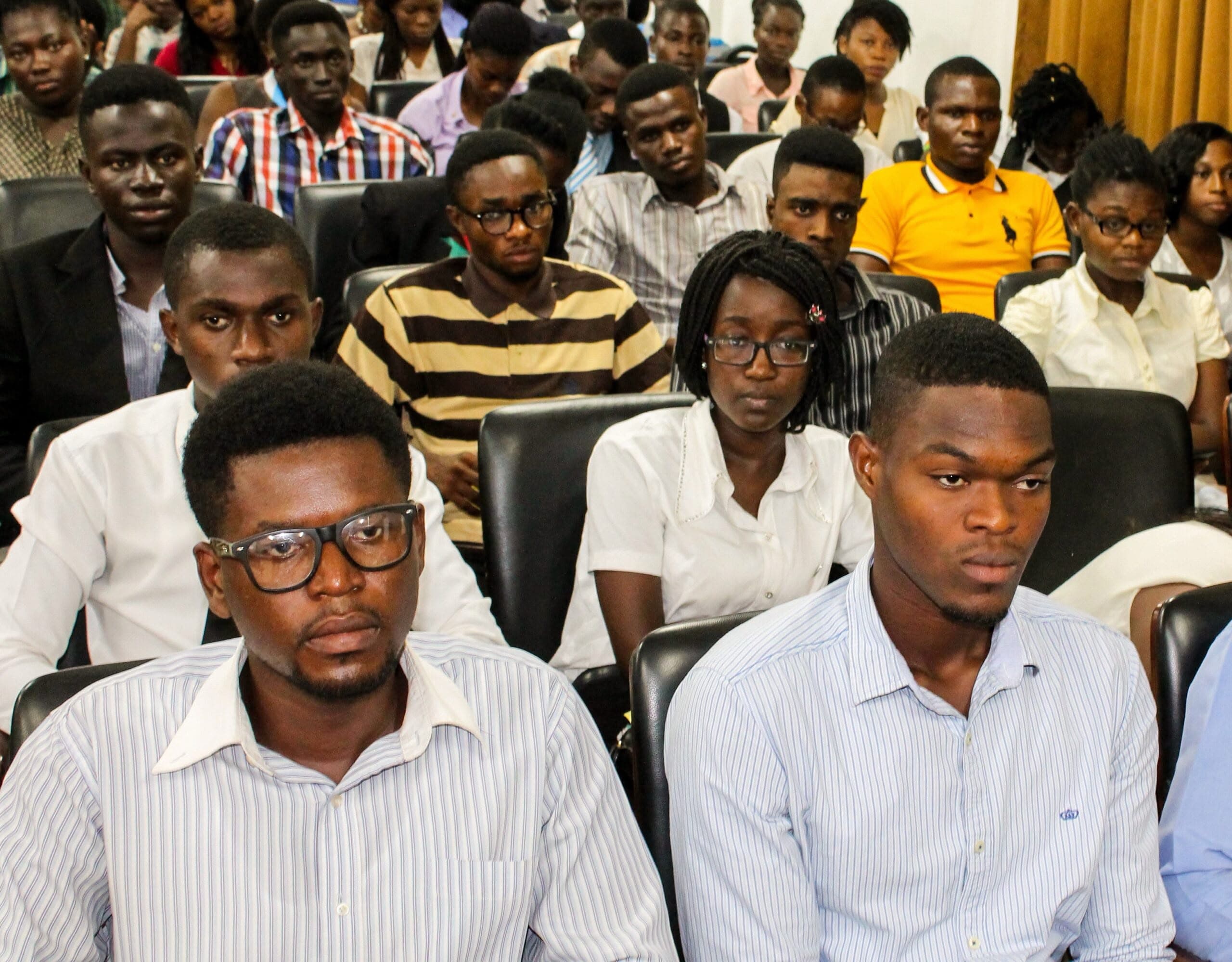
By 6:15 a.m., Abena Owusu-Ansah is on a trotro down the Spintex road, textbook on her knee, name tag from the supermarket tucked in her bag. Lectures until noon, then a six-hour shift at the till. She gets home past nine, and the assignment due at eight the next morning is still a blank page. "People think I'm exaggerating when I say I sleep four hours a night," she says. "But that is literally my week."
Abena is not an outlier. Across Ghana's universities, a growing number of students live double lives: student by day, cashier, sales assistant, tutor, or freelancer by night. Their story rarely makes it into matriculation-week brochures.
The reasons vary. For some, it is survival - tuition, hostel bills, and transport costs have climbed, and not every family can absorb the shock. For others, it is responsibility: a sibling's school fees, a parent's medical bills, a household that quietly depends on what the student sends home. And for a growing number, work is a deliberate choice - an internship or part-time role that promises real experience by graduation, not just a certificate.
Kwame Boateng fits the last group. A final-year Business Administration student, he sought out a part-time role at a digital marketing agency deliberately. "Everyone graduates with a certificate. Not everyone graduates with two years of real client experience," he says. His days are punishing; lectures, work, then whatever is left of the evening for assignments, but he doesn't call himself a victim of it. "It's hard, yes. But I chose this, and I'm getting something my coursemates aren't."
That is the tension in a working student's life: the same arrangement that drains them also builds them. Time-management stops being a phrase on a CV and becomes a lived skill. Financial independence brings its own quiet dignity; buying one's own books, paying one's own hostel fees. And employers, several students say, notice the difference between a graduate who has only managed a timetable and one who has already answered to a supervisor.
But the costs are real. Dr. Comfort Asante, a counsellor at a public university in Accra, sees the toll up close. "The academic issue is what people talk about most, but it's often not the biggest problem," she says. "It's the sleep deprivation, the isolation. These students can't attend group study sessions or the events that build the friendships people remember university for. Over time that isolation affects their mental health, they often just think they're being lazy, when really they're depleted."
Relationships bear the strain too; missed birthdays, group chats gone quiet. Ama Serwaa, who works weekends at a hair salon, puts it plainly: "My friends have stopped inviting me because they know I'll say no. It's not that I don't want to go, I don't have the time. Sometimes I feel like I'm missing my own university experience while I'm busy paying for it."
Lecturers are beginning to notice too. Mr. Solomon Tetteh, who teaches at a business school in Accra, says he has learned to read the signs before a student says a word. "The one always slightly late, always tired, submitting work that shows effort but not enough time: I don't assume irresponsibility anymore. I ask. Often they came straight from a night shift." He now offers flexible deadlines where policy allows. "The system wasn't built for these students," he admits. "But the least we can do is stop punishing them for surviving."
What emerges is not a simple tale of struggle or a simple celebration of hustle, but something messier: young people doing arithmetic every day- sleep against a shift, a study session against a paycheck, a friend's birthday against rent. They are managing two full-time responsibilities with the resources meant for one.
Abena, back on the trotro at the end of another long day, puts it simply. "I'm not asking anyone to feel sorry for me. I chose this life. I just wish people understood what it actually costs; not just in money, but in sleep, in friendships, in the university experience I'll never fully get to have."
That, perhaps, is the real story of Ghana's working students, not a plea for pity, but a quiet request for recognition. Universities can offer more flexible scheduling and counselling attuned to this exhaustion. Employers can build shifts around exam periods. Families can ease the pressure where they can. And society can retire the idea that a working student is either a charity case or a hustle-culture hero, and see them instead as ordinary young people carrying an extraordinary load, one shift, one deadline at a time.
Related Stories & Campus Highlights
View All in Features →
Features
Sep 9, 2026 3 min read
Survivors don't wear capes: they just don't quit
Survival is not merely about staying alive; it is the courage to keep moving forward when life presents its greatest challenges. Every day, people fac...
Features
Sep 8, 2026 3 min read
Where challenges become stepping stones: a semester of promise
The reopening of school marks the beginning of another exciting academic journey filled with fresh opportunities and new challenges. Campuses that wer...

Features
Sep 6, 2026 3 min read
The library that travels
Have you ever heard of Logos Hope? Logos Hope is a ship that travels to different countries, filled with books. If you are someone who loves books, t...

Features
Aug 4, 2026 3 min read
From street to screen: the rise of digital fraud
Crime has undergone a significant transformation alongside technological advancement. While robbery and other traditional crimes once dominated public...