
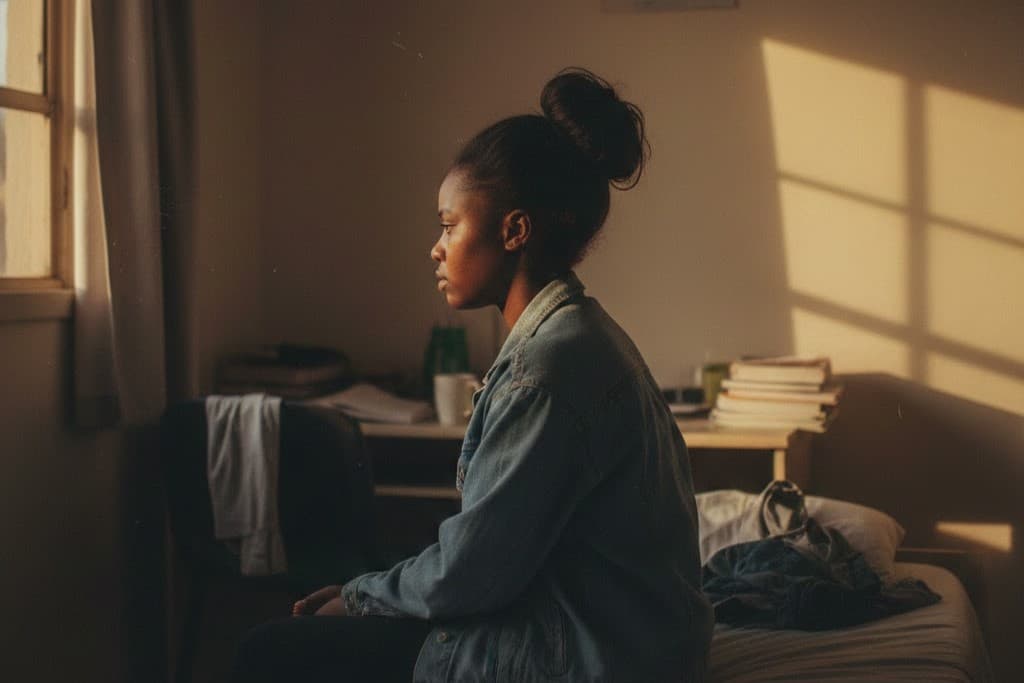
We met during orientation week, when everything still felt possible. New lectures, new friends, new freedom. He was confident in a quiet way, the kind of person who didn’t try too hard to be noticed. We sat next to each other during a faculty briefing and started talking about how lost we already felt. By the end of the day, we were inseparable.
Campus relationships move fast. Between late-night studying, shared meals, and long walks back from lectures, intimacy grows quickly. Within weeks, we were dating. Within months, we were each other’s safe place — or so I thought.
The first cracks were small.
He wanted to know where I was at all times. At first, it felt like care. Text me when you get there. Why didn’t you answer your phone? When I spent time with friends, he grew distant. When I chose to study alone, he accused me of hiding something. Arguments ended with apologies, then promises, then repetition.
I began shrinking without noticing.
I stopped joining group discussions in class because he didn’t like certain people. I skipped social events to avoid explaining myself. I rearranged my schedule around his moods. My world became smaller, and I told myself that was what commitment looked like.
The worst part wasn’t the arguments. It was the emotional exhaustion.
Every disagreement turned into a test of loyalty. If I disagreed, I was “ungrateful.” If I asked for space, I was “cold.” If I cried, I was “dramatic.” He never shouted. He never insulted me directly. He simply made me feel like I was always wrong, always apologising, always trying harder.
I didn’t recognise myself anymore.
When I finally tried to leave, he reminded me of everything he had done for me. How he helped me during exams. How he supported me when I was stressed. How no one else would understand me the way he did. I stayed — not because I was happy, but because I was afraid of being alone on a campus that suddenly felt hostile without him.
The relationship ended quietly, the way many unhealthy ones do. No dramatic fight. Just distance. Just relief mixed with guilt.
Looking back, I realise how easy it is to lose yourself in a place where you’re still figuring out who you are. University teaches you many things — theories, formulas, skills. But it doesn’t always teach you how to recognise when love is slowly turning into control.
I’m sharing this anonymously because not all harmful relationships leave bruises. Some only leave confusion, self-doubt, and the long process of learning how to trust yourself again.
V
VOU
admin
Voice of UPSA editorial team member.
Loading discussion...
Related Stories & Campus Highlights
View All in News →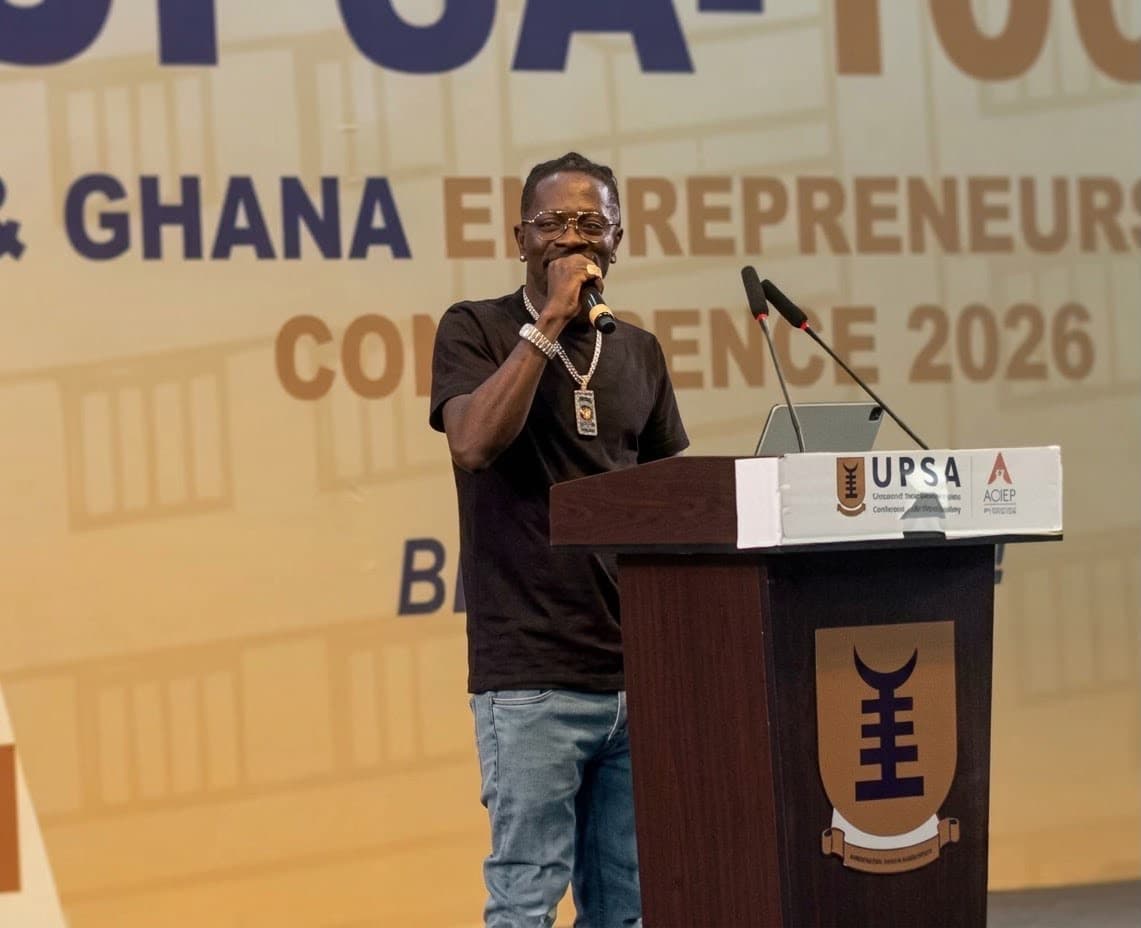
News
Sep 16, 2026 3 min read
Shatta Wale urges UPSA students to ‘build your mind’ at UPSA-1000 & Ghana entrepreneurship conference 2026.
Ghanaian musician and entrepreneur Charles Nii Armah Mensah Jr., popularly known as Shatta Wale, has urged students of the University of Professional ...
News
Sep 12, 2026 3 min read
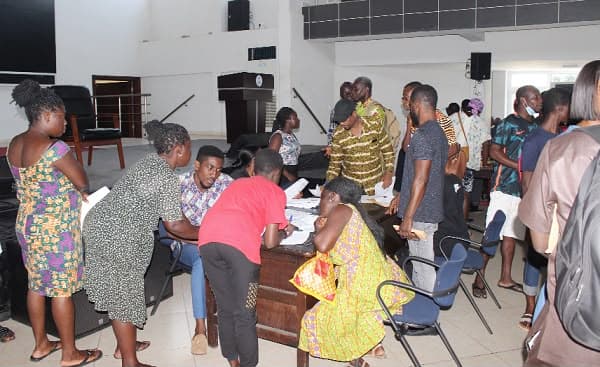
SHS placement crisis: parents spend hours in queues as frustration grows
The 2026 Senior High School placement exercise has become a major concern for parents and students across Ghana, with some parents reportedly spending...

News
Aug 13, 2026 3 min read
HIV in 2026: What Young People Know, What They Believe, and What They Get Wrong
For many young people, HIV/AIDS feels like a problem belonging to another generation. The red ribbons, awareness campaigns and conversations about HIV...
News
Jul 8, 2026 3 min read
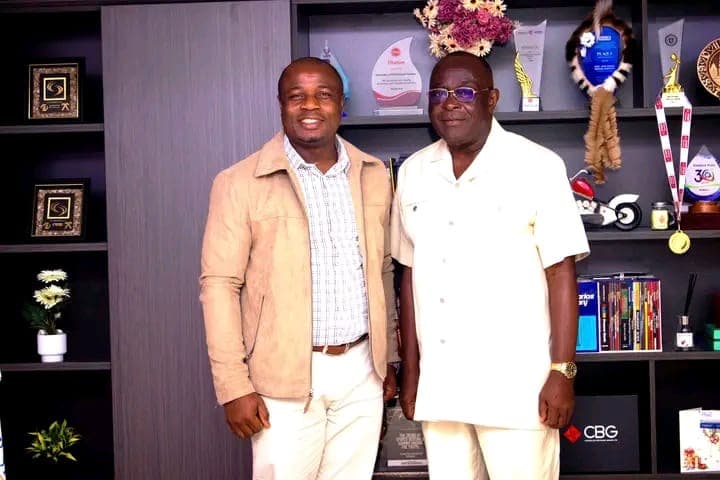
J.K. Horgle pays courtesy call on UPSA Vice-Chancellor, expresses gratitude for naming of Transport and Logistics Centre
Renowned transport and logistics entrepreneur Joseph Kwaku Horgle has paid a courtesy call on the Vice-Chancellor of University of Professional Studie...