
Opinions
The suit, the gavel, and the grind: why the UPSA professional culture is burning out its best leaders
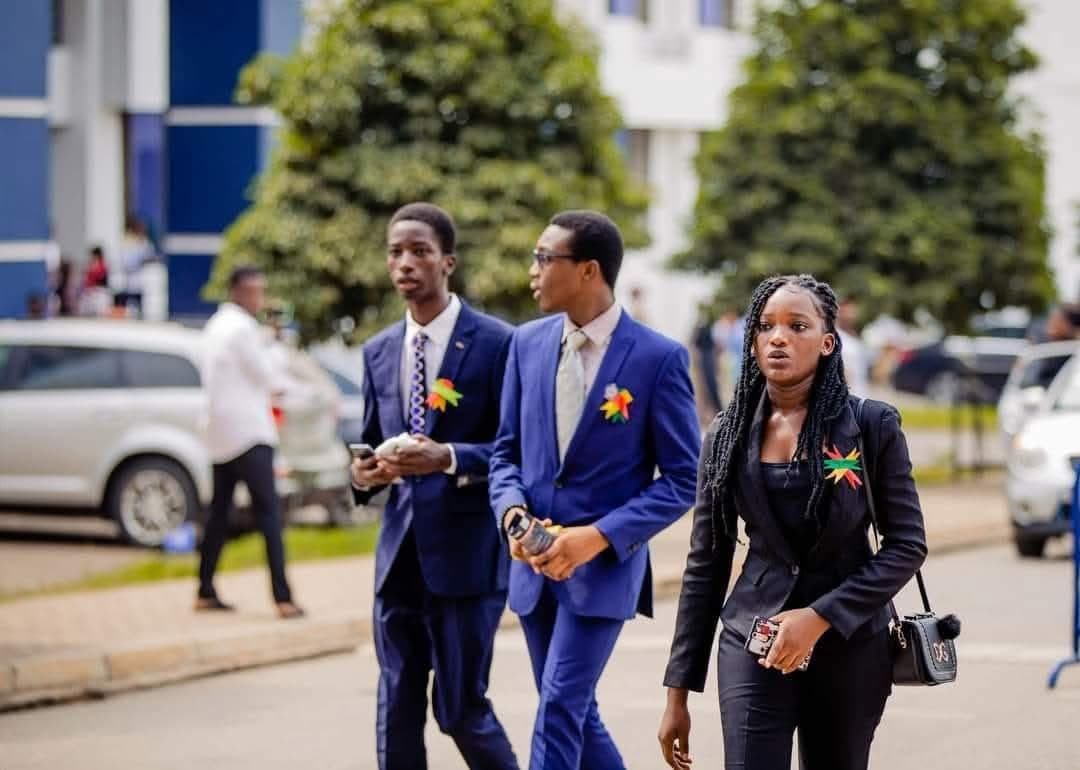
The atmosphere at the University of Professional Studies, Accra (UPSA), is distinctly unique among tertiary institutions in Ghana. From the moment a student steps onto campus, there is an unspoken contract signed: “Scholarship with Professionalism.” We are a community defined by suits, ties, and an intense drive for corporate and political excellence. However, as we navigate the high-pressure environment of 2026, a silent crisis is brewing beneath the polished blazers. The very “proactivity” that UPSA prides itself on has morphed into a culture of chronic exhaustion, particularly for those who have stepped into the arena of student leadership and campus politics.
Nowhere is this paradox more visible than within the walls of the UPSA General Assembly (GA). To the outside observer, the GA is a bastion of student democracy, a place of “points of order,” constitutional debates, and high-level oversight. But to the student leader seated in those chambers, it is often a theatre of mental attrition. The sessions frequently stretch into the late hours of the night, demanding a level of cognitive sharpness that is nearly impossible to maintain after a full day of lectures. We have created a culture where the length of a sitting is seen as a measure of its importance, yet we rarely account for the “decision fatigue” that sets in after the third hour. When an SRC executive is obligated to debate complex budgetary allocations at 9:00 pm, while simultaneously worrying about a 7:30 am presentation or an IA, the quality of governance inevitably suffers. We are not just debating policies; we are working against our own biology.
This “theatrical leadership” extends far into the digital realm. In this dispensation, a leader’s influence is often measured by their WhatsApp status, Tiktok, and LinkedIn engagements. We have become masters of the “digital mask,” curating feeds that show us at summits, presenting in suits, and “networking to net worth.” What these feeds never show is the panic attack in the washroom before a speech, the neglected friendship, or the overwhelming sense of inadequacy when a GPA begins to slip. This digital performance creates a dangerous feedback loop; younger students see the “flawless” leader and strive to emulate a lifestyle that is, in reality, a house of cards. By refusing to show the “grind” behind the “glamour,” our student leadership is inadvertently setting a standard of perfection that is both dishonest and dangerous.
We must also confront the hard science of our “hustle.” The human brain is not designed for the chronic, high-stakes stress we have normalized at UPSA. When a student leader is constantly in “crisis mode”: managing a political scandal, a logistics failure, or a student’s grievance, the body’s endocrine system is in overdrive. The resulting flood of cortisol, the body’s primary stress hormone, has a devastating effect on the hippocampus. This is the very part of the brain responsible for memory consolidation and complex problem-solving. In essence, the more we “hustle” at the expense of our peace, the more we are physically shrinking our capacity to learn. We are paying for our political portfolios with our academic potential, a transaction that no “professional” should ever consider a good deal.
Perhaps the most underutilized asset in our pursuit of excellence is the university’s own professional support infrastructure. UPSA is forward-thinking enough to provide a dedicated counseling unit, yet the prevailing campus culture often views these resources through a narrow lens. In our quest to appear “ready for the world,” we have mistakenly categorized seeking support as a departure from professional strength. On the contrary, in the global corporate landscape of 2026, the ability to manage one’s mental bandwidth is considered a top-tier executive skill. A student leader who engages with the counseling unit is not “fixing a problem”; they are engaging in the kind of high-level maintenance required to sustain a high-pressure career.
If we are to truly produce world-class professionals, we must redefine these resources as essential tools for leadership longevity. Leadership is not about having all the answers in isolation; it is about the strategic use of every available resource to maintain peak performance. Student leaders themselves should lead the charge in normalizing the use of these support systems. When an SRC executive or a departmental head utilizes the Counseling Unit as a “Leadership Sounding Board,” they are not just helping themselves; they are demonstrating to every other student that professional excellence requires a balanced and supported mind.
The Blueprint for Sustainable Leadership
The “Performance Paradox” at UPSA has reached a critical breaking point. We have mastered the aesthetic of leadership, but we are failing to sustain the leaders themselves. If we are to truly honour our mandate of “Scholarship with Professionalism,” we must move past the performativity exhaustion that has become our campus currency. This is not merely an observation; it is a call for a non-negotiable, two-way commitment to professional integrity.
This transition starts with institutional accountability. Academic and professional excellence cannot exist in a vacuum of chronic stress. It is time for the university to reposition the Counseling Unit not as a peripheral luxury or a reactive “fix” for the broken, but as a strategic leadership hub. We need an environment where the most ambitious students go to sharpen their mental clarity and emotional intelligence as part of their professional training. We cannot expect the next generation of industry giants to carry the weight of leadership without providing the modern, institutional tools required to manage that weight.
Equally, the student leader must prioritize substance over spectacle. Influence on this campus is too often measured by social media visibility and the “digital mask” of perfection. We must have the courage to admit that leadership is not a high-stakes simulation for WhatsApp engagement; it is a profound responsibility that demands a disciplined, functional, and well-regulated mind.
Becoming deserving of the “Gavel” requires the self-discipline to lead oneself. Professionalism is measured not by the number of hours we spend awake, but by the quality of our decisions while awake. The suit represents promise, while the gavel serves as an instrument for governance. Let us ensure that we are not just wearing the leadership costume, but also laying the internal framework for its long-term sustainability. The future of our careers and the integrity of this institution depends on our ability to trade the theatrics of the “hustle” for the reality of resilience.
Related Stories & Campus Highlights
View All in Opinions →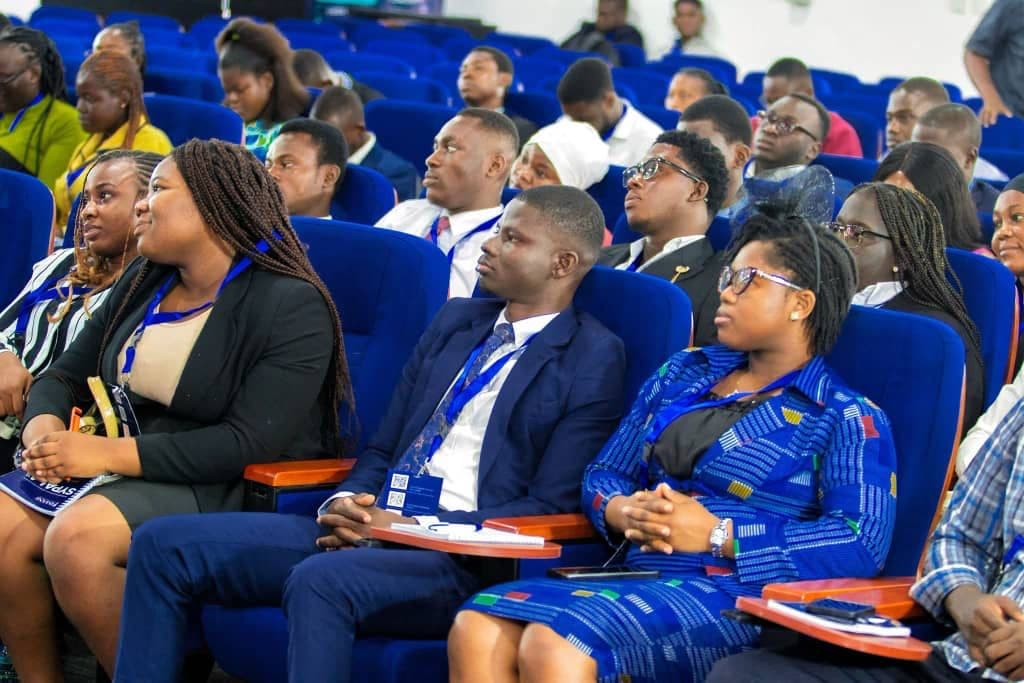
Opinions
Aug 29, 2026 3 min read
Behind the slogan: how UPSA prepares students for corporate Ghana
The University of Professional Studies, Accra (UPSA) proudly bills itself as the "Face of Professionalism." But is this a genuine reflection of what t...
Opinions
Aug 27, 2026 3 min read
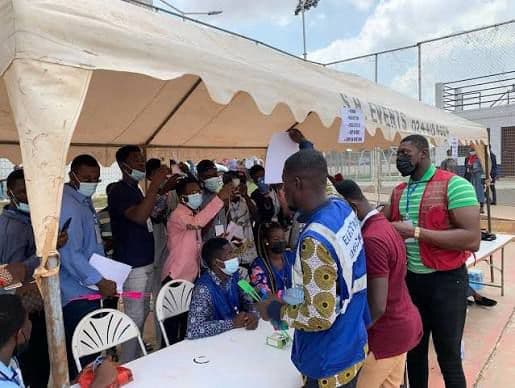
Beyond the suggestion box: is the student voice really being heard?
Students are at the heart of every university, yet one question deserves more attention: How much influence do students really have on decisions that ...
Opinions
Aug 18, 2026 3 min read
Embracing the uncertainty of your 20s
Your 20s are often presented as the time when you should have everything figured out; your career, finances, relationships, purpose, and future. Socia...

Opinions
Aug 12, 2026 3 min read
Raising a child out of wedlock: is it really easy?
Raising a child is a major responsibility, whether the parents are married or not. However, raising a child out of wedlock can come with additional ch...