
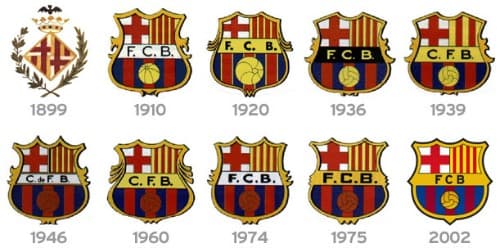
Futbol Club Barcelona, commonly known as FC Barcelona or Barça, was founded on November 29, 1899, and has since grown into one of the most influential and recognizable football clubs in the world. From its very beginnings, the club has represented not only sporting excellence but also cultural identity, social values, and a deep connection to Catalonia.
Foundation and Early Years
The club was founded by Joan Gamper, a Swiss businessman and sports enthusiast originally named Hans Gamper. After arriving in Barcelona in 1898, Gamper sought to promote football in the city. In October 1899, he placed an advertisement in the local sports magazine Los Deportes, inviting players interested in forming a football team.
The response was positive, leading to a historic meeting on November 29, 1899, at the Gimnasio Solé in Barcelona. Eleven men attended this founding meeting: six foreigners (from Switzerland, England, and Germany) and five Catalans. This diverse group reflected the club’s open and international spirit from the very start.
Englishman Walter Wild was appointed FC Barcelona’s first president. The club adopted its iconic blue and claret colors known as blaugrana. While their exact origin is debated, the colors are commonly believed to have been inspired either by Gamper’s Swiss roots or by the rugby team uniforms worn by the Witty brothers during their school years.
Early Success and Growth
FC Barcelona played its first matches at the Bonanova Cycle Track and quickly established itself as a competitive team. In 1902, the club won its first official trophy, the Copa Macaya, an early Catalan championship.
As football grew in popularity across Spain, FC Barcelona played a key role in shaping the national game. In 1928, the club became one of the founding members of La Liga, Spain’s top professional football league. Just one year later, Barça won the inaugural La Liga title in the 1929 season, marking the beginning of its long-standing domestic success.
“Més que un club” – More Than a Club
Beyond football, FC Barcelona has always been deeply connected to the cultural and political identity of Catalonia. During the early 20th century, as tensions increased between Catalonia and the central Spanish government, the club became a symbol of Catalan pride and self-expression.
This role became especially significant during the dictatorship of Francisco Franco (1939–1975). During this period, the Catalan language was banned in public life, and the club was forced to change its name to the Castilian Spanish Club de Fútbol Barcelona. The Catalan flag was also removed from the club’s crest. Despite these restrictions, the stadium remained one of the few places where Catalans could openly express their identity and solidarity.
After the end of the dictatorship in the late 1970s, FC Barcelona restored its original name and crest. This moment reinforced the club’s identity and led to the widespread adoption of its famous motto: “Més que un club” (“More than a club”).
A Club Owned by Its Supporters
Today, FC Barcelona stands out among the world’s elite football clubs due to its ownership model. Unlike many clubs that are owned by private investors or corporations, Barça is owned and operated by its supporters, known as socios. These members vote in presidential elections and help shape the club’s future, reinforcing its democratic and community-driven nature.
From its humble beginnings in 1899 to its global presence today, FC Barcelona remains a powerful symbol of sporting ambition, cultural identity, and collective values truly living up to its motto as more than just a football club.
JF
Jerry Freeman
editor
Voice of UPSA editorial team member.
Loading discussion...
Related Stories & Campus Highlights
View All in Sports →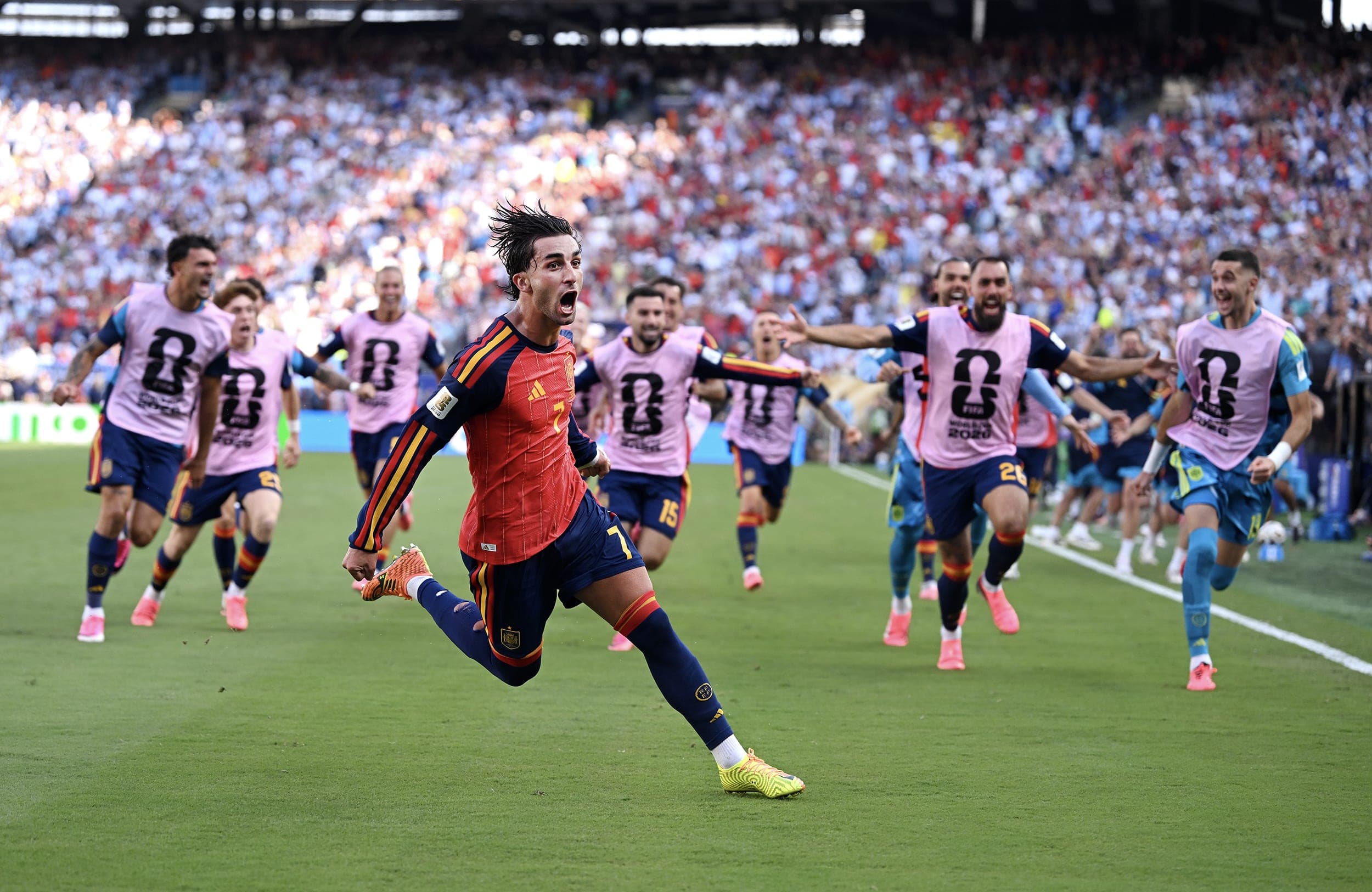
Sports
Jul 19, 2026 3 min read
Spain Beat Argentina After Extra Time to Win 2026 FIFA World Cup
Spain are world champions for the second time after Ferran Torres' extra-time winner secured a 1-0 victory over Argentina in a gripping 2026 FIFA Worl...
Sports
Jun 28, 2026 3 min read
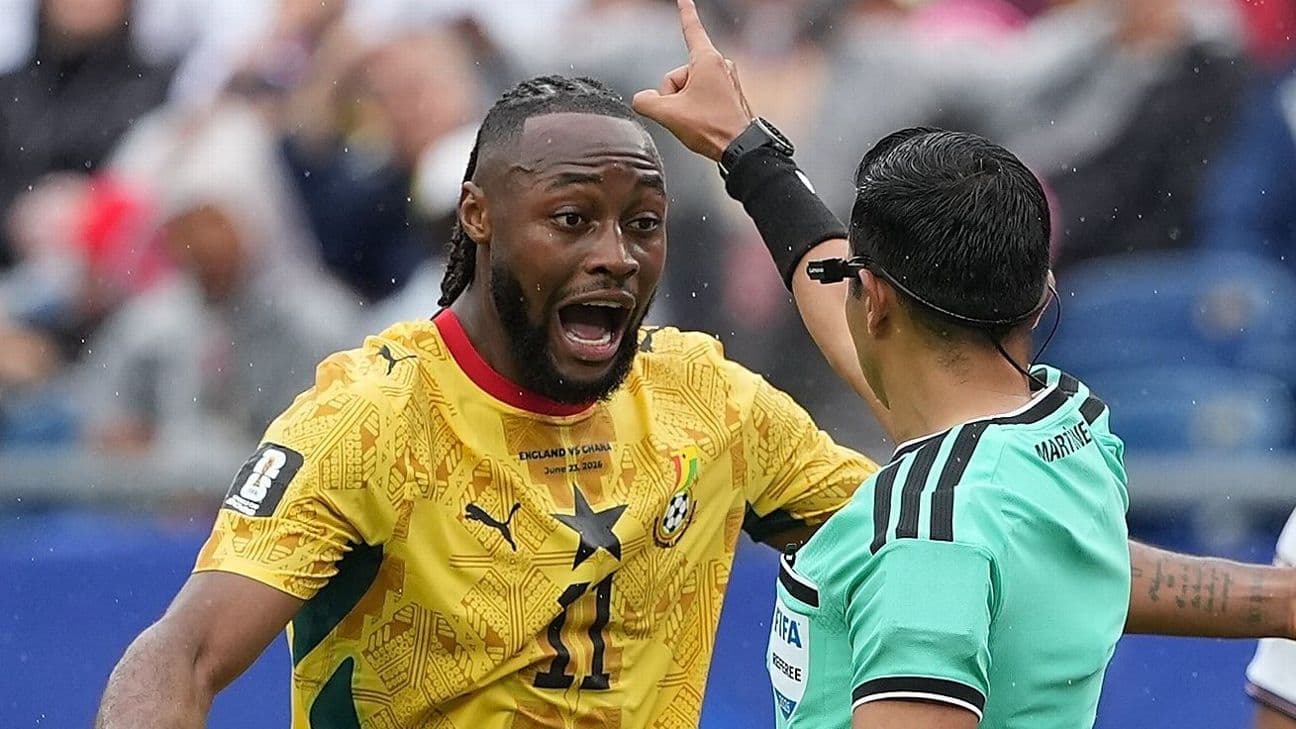
Croatia Edge Ghana in World Cup Thriller Despite Black Stars’ Brave Fight
Ghana suffered a narrow defeat to Croatia in their final Group L outing at the 2026 FIFA World Cup after a late winner sealed a dramatic 2-1 result in...
Sports
Jun 23, 2026 3 min read
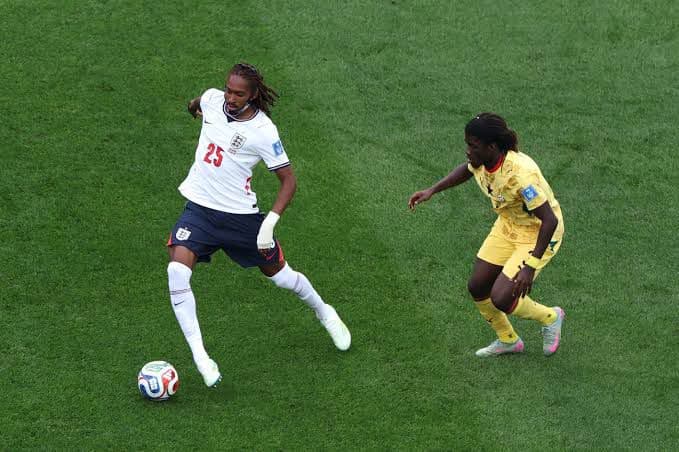
Black Stars Stand Firm to Hold England in Tense World Cup Battle
Boston, USA — June 23, 2026 Ghana produced a disciplined and resilient performance to earn a valuable draw against England in their second Group L ma...
Sports
Jun 18, 2026 3 min read
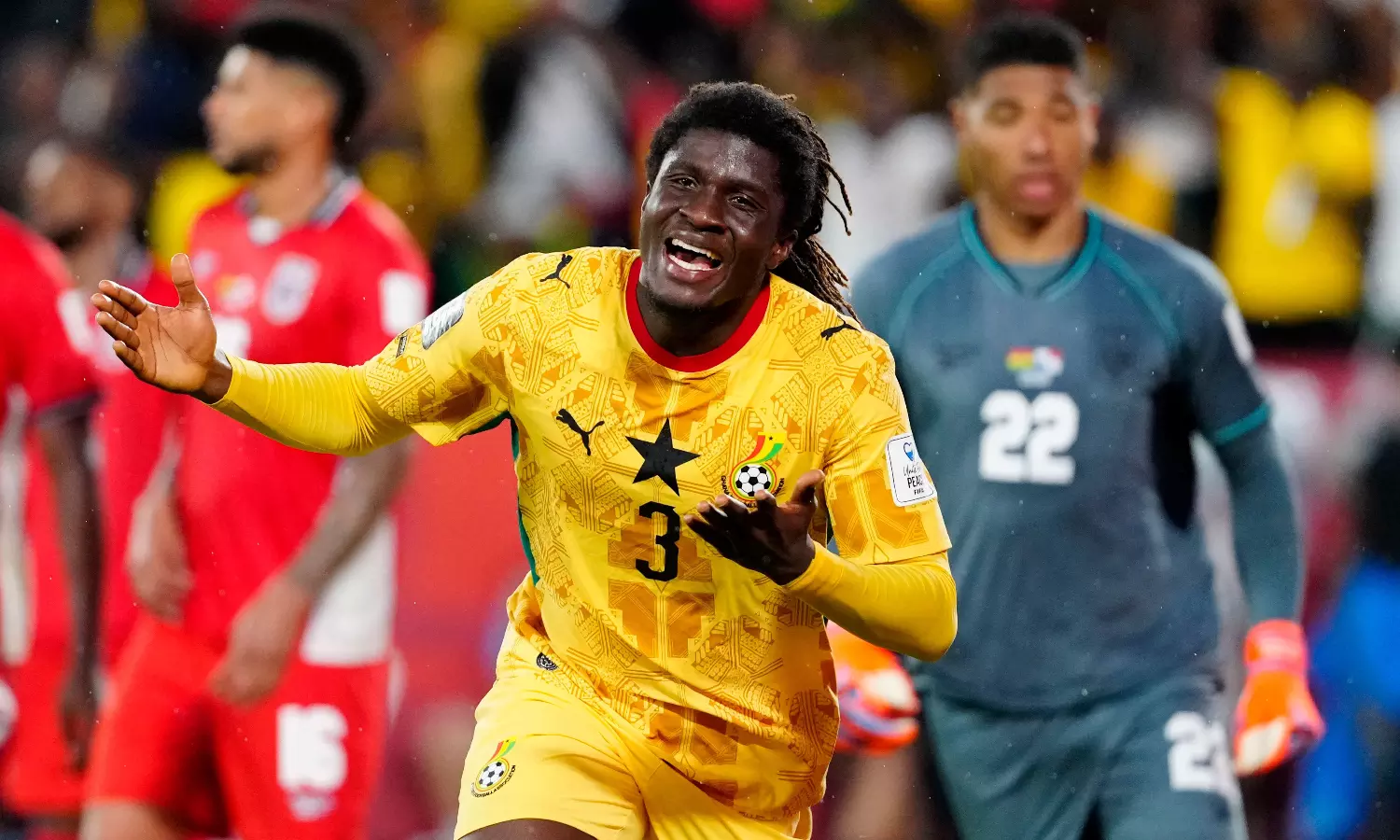
Late Yirenkyi Strike Gives Ghana Winning Start at World Cup
Ghana opened their 2026 FIFA World Cup campaign with a dramatic victory over Panama as a stoppage-time goal handed the Black Stars all three points in...