
Sports
History of RCD Mallorca: from royal beginnings to Spanish Football icon
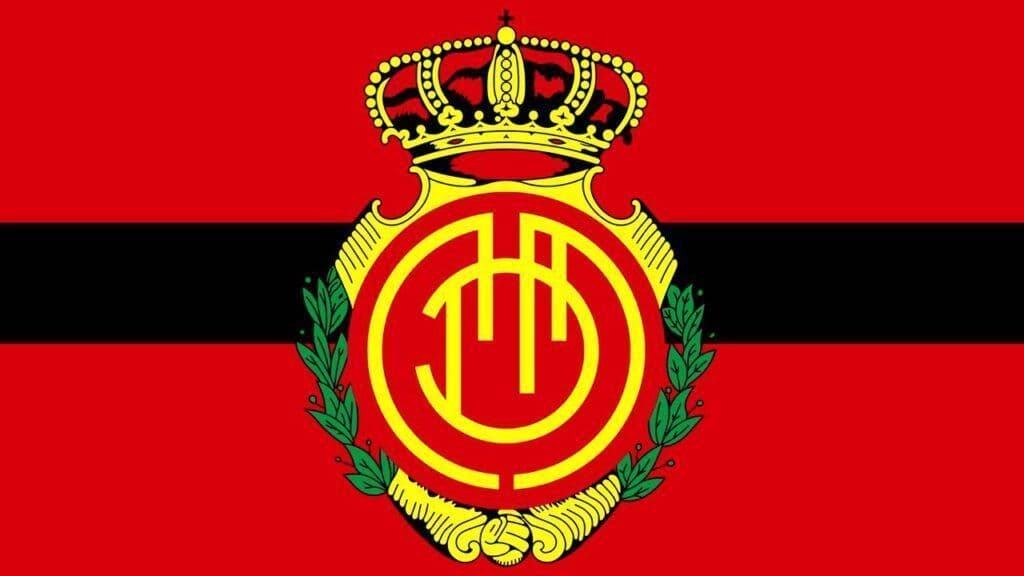
Real Club Deportivo Mallorca, commonly known as RCD Mallorca, has a fascinating history that stretches back over a century to the early days of organised football in Spain.
Humble Beginnings on the Island of Mallorca
The club was founded on 5 March 1916 in Palma de Mallorca, the capital of the Balearic Islands, when a group of local football enthusiasts registered a new team with the Spanish Football Federation under the name Alfonso XIII Foot-Ball Club. The first board was led by engineer Adolfo Vázquez Humasqué and eight other passionate football fans eager to bring the sport to the island.
Just weeks after its creation, the team inaugurated its first ground, the Buenos Aires field, with a competitive fixture against FC Barcelona on 25 March 1916, though the match ended in an 8–0 defeat, it marked the club’s official entry into competitive football.
Royal Recognition and Name Changes
Shortly after its founding, the club received royal patronage from King Alfonso XIII, earning the use of “Real” (meaning Royal) in its name and becoming Real Sociedad Alfonso XIII Foot-Ball Club. However, with the proclamation of the Second Spanish Republic in 1931, a period which abolished royal titles, the club was renamed Club Deportivo Mallorca.
In the 1949–50 season, the club reclaimed its royal status and adopted the name it still uses today: Real Club Deportivo Mallorca.
Rise Through the Spanish Football Pyramid
Mallorca’s early decades were spent competing mostly in regional competitions and in the lower tiers of Spanish football. Their first promotion to La Liga, Spain’s top division, came in 1960, marking their debut in the elite. However, it wasn’t until the late 1990s that Mallorca became a more consistent presence at the highest level.
Between 1997 and 2013, Mallorca spent 16 consecutive seasons in La Liga, enjoying some of the most successful years in the club’s history. Their proudest moment arrived in 2003, when they lifted the Copa del Rey, defeating RCD Huelva in the final with two goals from Samuel Eto’o, who would later go on to become a legend at FC Barcelona.
Challenges and Comebacks
Like many clubs outside Spain’s traditional giants, Mallorca has experienced its share of ups and downs. In 2017, they were relegated to the third tier (Segunda División B) but quickly rebuilt and returned to top-flight football within a couple of seasons.
Over the years, Mallorca has competed in European competitions on occasion and has nurtured a fiercely loyal fan base on the island. Their home games are now played at Visit Mallorca Estadi (Son Moix), which was opened in 1999 and remains one of the largest stadiums in the Balearic Islands.
A Club with Character and Tradition
From its origins as a small local side on an island to a respected name in Spanish football, RCD Mallorca’s story is one of ambition, resilience, and proud identity. While it may not carry the global recognition of Spain’s biggest clubs, Mallorca’s journey underscores the depth and diversity of the footballing landscape in Spain.
Related Stories & Campus Highlights
View All in Sports →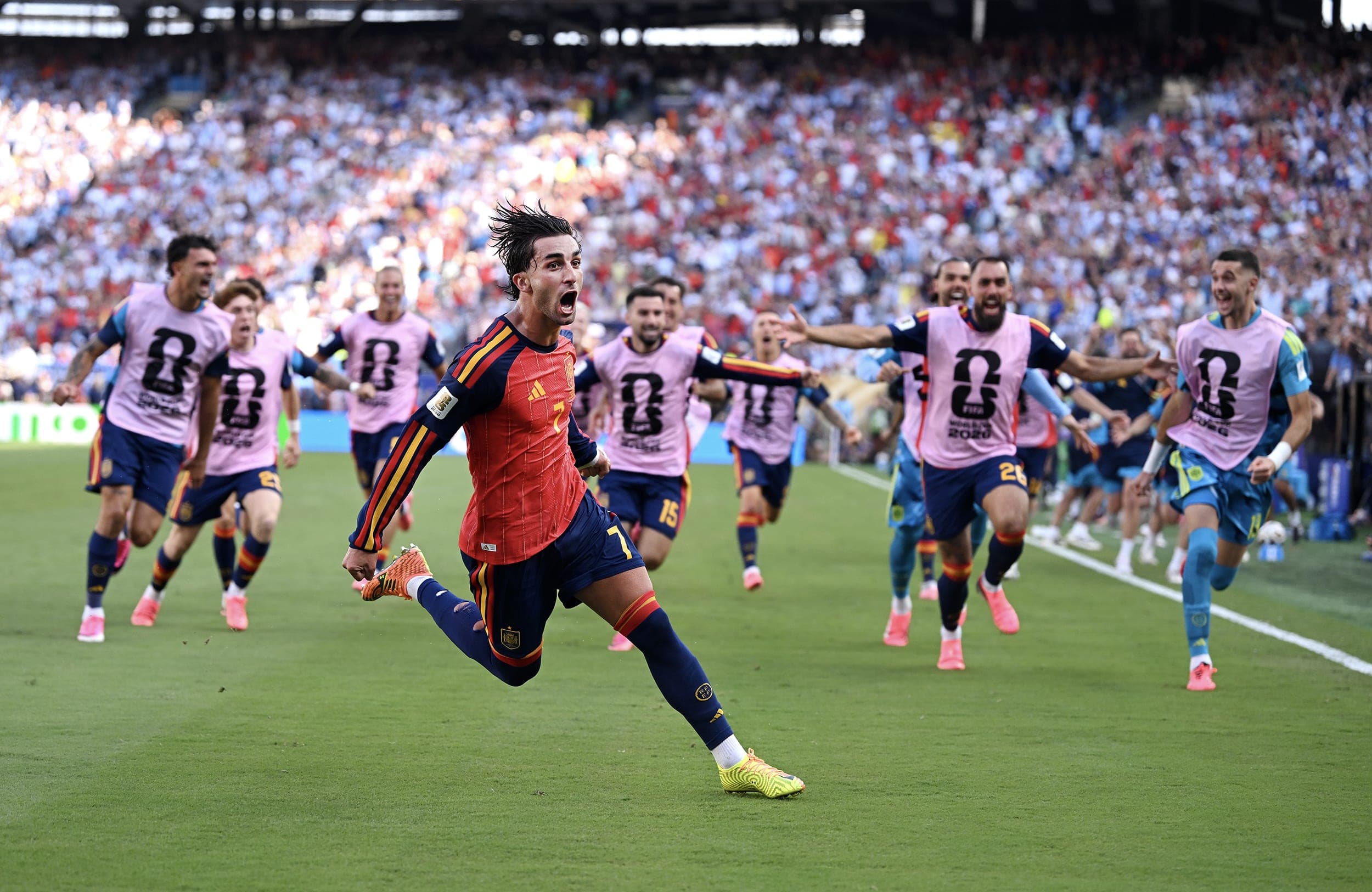
Sports
Jul 19, 2026 3 min read
Spain Beat Argentina After Extra Time to Win 2026 FIFA World Cup
Spain are world champions for the second time after Ferran Torres' extra-time winner secured a 1-0 victory over Argentina in a gripping 2026 FIFA Worl...
Sports
Jun 28, 2026 3 min read
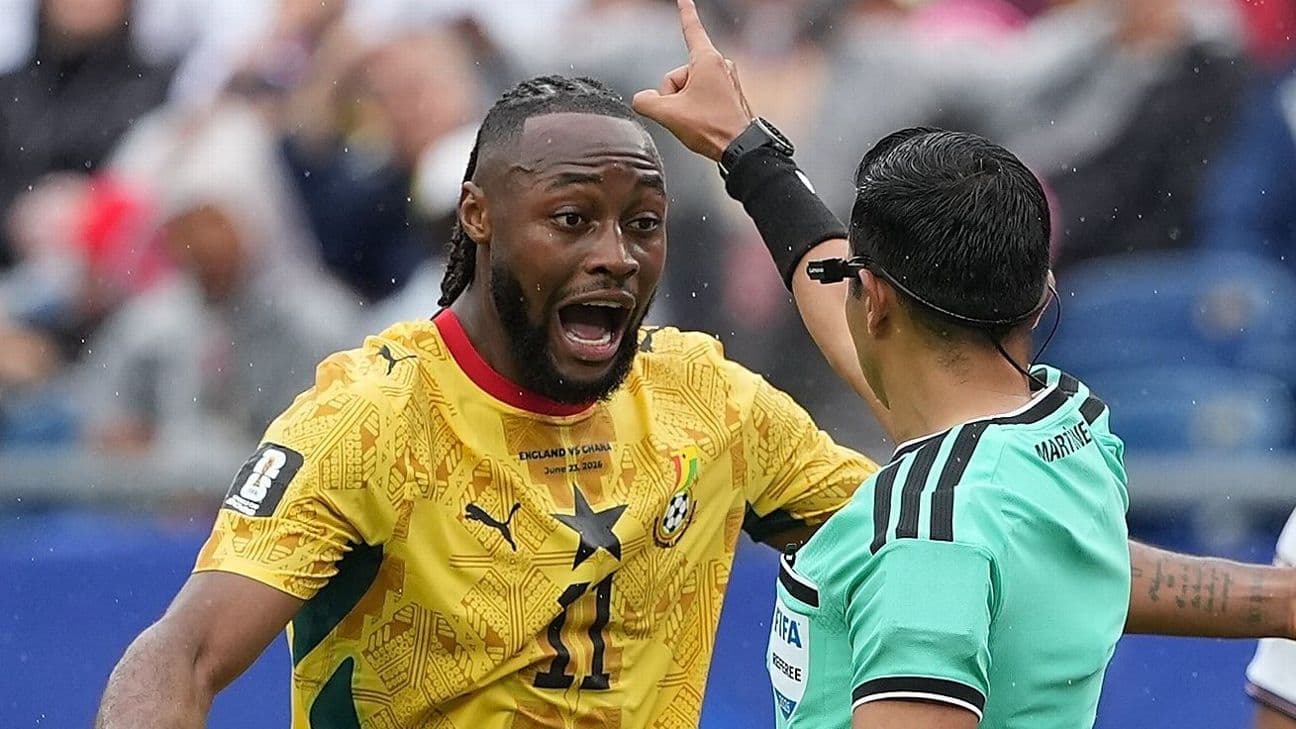
Croatia Edge Ghana in World Cup Thriller Despite Black Stars’ Brave Fight
Ghana suffered a narrow defeat to Croatia in their final Group L outing at the 2026 FIFA World Cup after a late winner sealed a dramatic 2-1 result in...
Sports
Jun 23, 2026 3 min read
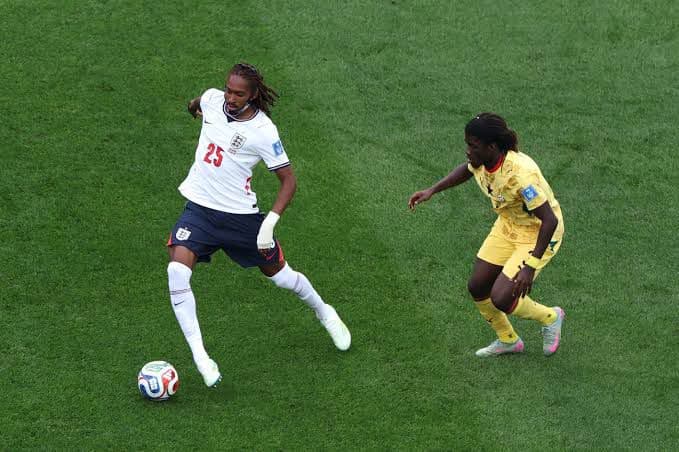
Black Stars Stand Firm to Hold England in Tense World Cup Battle
Boston, USA — June 23, 2026 Ghana produced a disciplined and resilient performance to earn a valuable draw against England in their second Group L ma...
Sports
Jun 18, 2026 3 min read
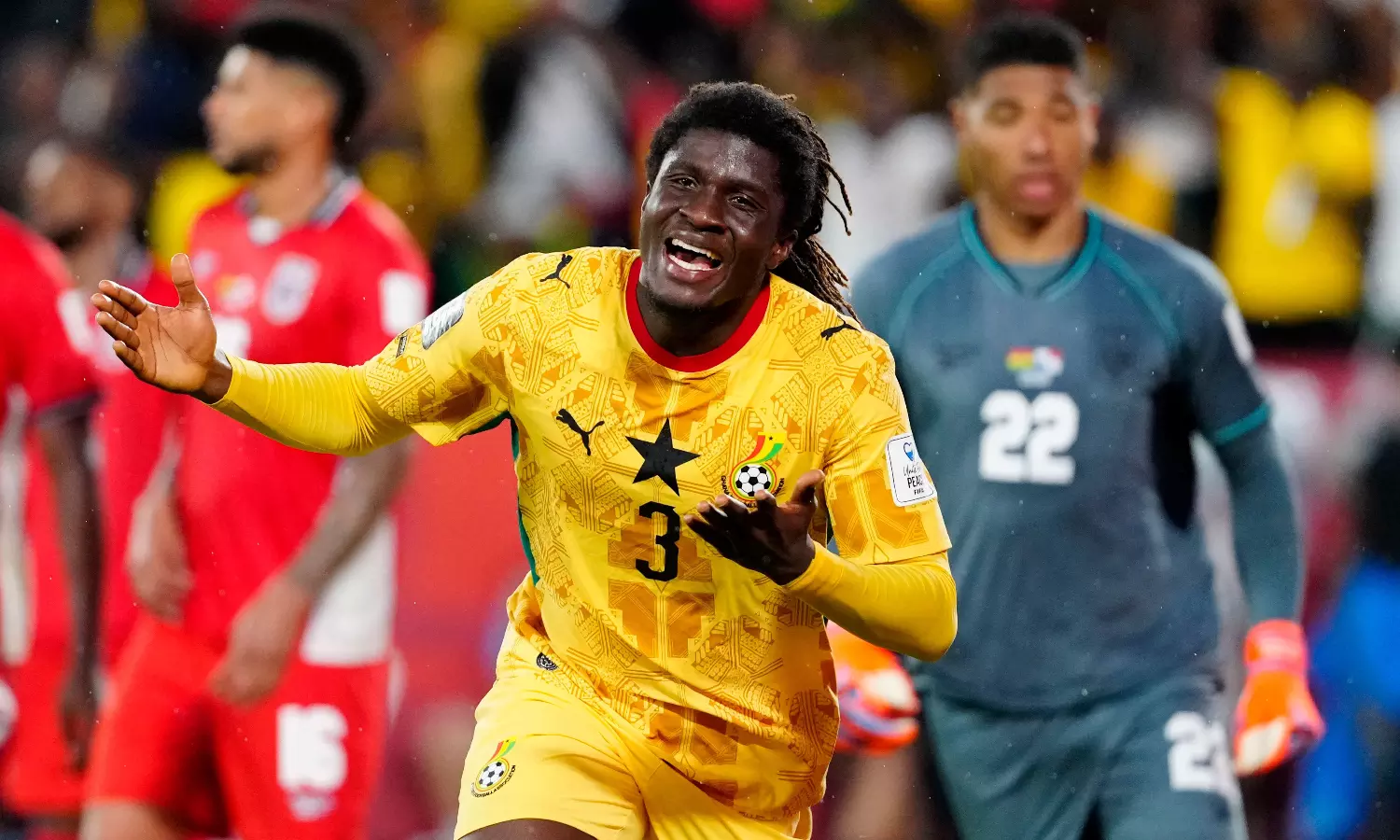
Late Yirenkyi Strike Gives Ghana Winning Start at World Cup
Ghana opened their 2026 FIFA World Cup campaign with a dramatic victory over Panama as a stoppage-time goal handed the Black Stars all three points in...