
Sports
History of Tottenham Hotspur: from schoolboys to Premier League giants
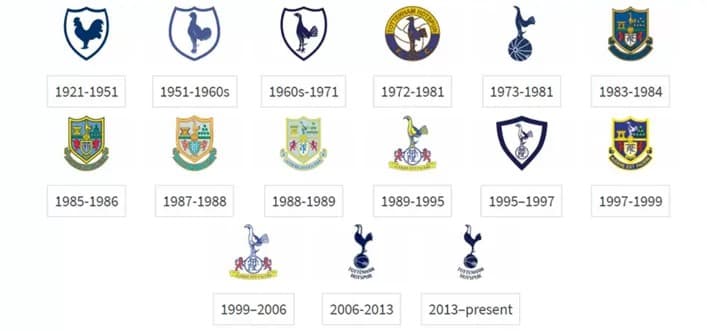
Tottenham Hotspur Football Club, one of England’s most storied football institutions, traces its origins back to 5 September 1882, when a group of young football enthusiasts in north London decided to form a team to play the sport they loved during the winter months.
Humble Beginnings (1882–1884)
The club was born from the creativity of schoolboys aged around 13 to 14 from Saint John’s Middle Class School and Tottenham Grammar School, who were also members of the local Hotspur Cricket Club. Led by Robert Buckle and his friends, the group organised themselves into a football side initially called Hotspur Football Club, a name inspired by Sir Henry “Harry” Hotspur, a medieval knight celebrated in Shakespeare’s works and associated with spirited combat.
Early matches were informal games on Tottenham Marshes, public fields where local players competed with neighbouring sides. As football’s popularity grew, the club soon began attracting larger crowds and a more organised structure was required.
Official Name and Structure (1884)
In April 1884, to avoid confusion with another London club using the name “Hotspur,” the team was renamed Tottenham Hotspur Football Club. Around this time, a local Bible class teacher named John Ripsher became the club’s first president and treasurer, lending much-needed stability and organisational guidance in its formative years.
With a growing membership and a more formal setup, Spurs began playing matches against other local clubs and slowly transitioned from informal gatherings to a recognised football side in the rapidly expanding landscape of English football.
Early Growth and Competitive Football
In the late 1880s and early 1890s, the club moved from friendly fixtures to organised competition. Tottenham began playing at Northumberland Park in 1888, allowing them to charge admission and build a local fan base. In 1895, Spurs turned professional and joined the Southern League, the premier competition for non-league clubs in southern England at the time.
By 1898, the club had adopted its now-famous white shirts and navy blue shorts, a look that soon became iconic among English football sides. A year later, they settled at White Hart Lane, a site that remained their home for over a century.
Making History (1900s and Beyond)
Tottenham’s breakthrough came in 1901, when they became the only non-League club to win the FA Cup, defeating Sheffield United after a replay in a stunning upset that captured the imagination of football fans nationwide.
Soon after, Spurs entered the English Football League in 1908, winning promotion to the First Division a year later and beginning their long journey as a mainstay in England’s top football competitions.
Legacy and Identity
Over the decades, Tottenham Hotspur grew from a local boys’ club into one of the most recognisable football brands in the world. Known affectionately as the “Spurs” or the “Lilywhites” due to their white home shirts, the club’s motto: Audere est facere (“To dare is to do”), reflects a spirit of boldness and ambition that has defined its philosophy both on and off the pitch.
Today, Spurs compete at the very top level of English football, playing their home games at the state-of-the-art Tottenham Hotspur Stadium, and boasting a passionate global fanbase. Their history is a remarkable journey from grassroots beginnings to modern football prominence.
Related Stories & Campus Highlights
View All in Sports →
Sports
Jul 19, 2026 3 min read
Spain Beat Argentina After Extra Time to Win 2026 FIFA World Cup
Spain are world champions for the second time after Ferran Torres' extra-time winner secured a 1-0 victory over Argentina in a gripping 2026 FIFA Worl...

Sports
Jun 28, 2026 3 min read
Croatia Edge Ghana in World Cup Thriller Despite Black Stars’ Brave Fight
Ghana suffered a narrow defeat to Croatia in their final Group L outing at the 2026 FIFA World Cup after a late winner sealed a dramatic 2-1 result in...

Sports
Jun 23, 2026 3 min read
Black Stars Stand Firm to Hold England in Tense World Cup Battle
Boston, USA — June 23, 2026 Ghana produced a disciplined and resilient performance to earn a valuable draw against England in their second Group L ma...

Sports
Jun 18, 2026 3 min read
Late Yirenkyi Strike Gives Ghana Winning Start at World Cup
Ghana opened their 2026 FIFA World Cup campaign with a dramatic victory over Panama as a stoppage-time goal handed the Black Stars all three points in...