
Sports
History of West Ham United: From shipyard workers to London’s Hammers
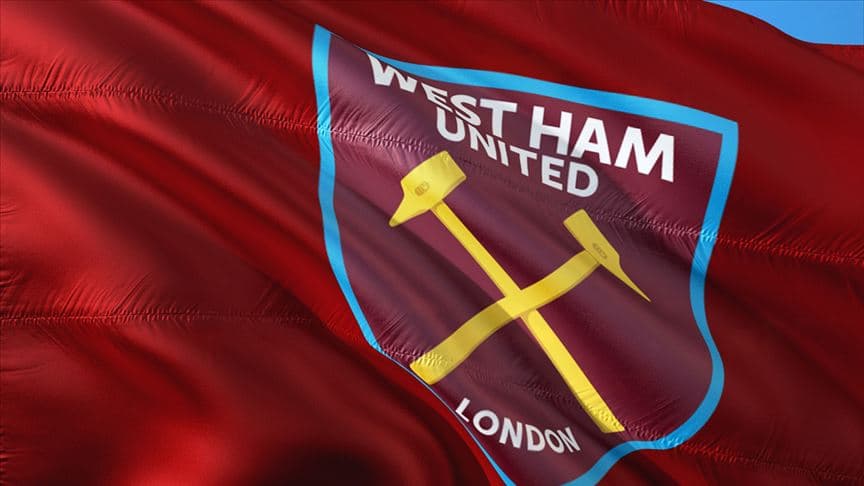
West Ham United Football Club traces its origins back to the late 19th century as a team formed by workers and community leaders in East London, a journey that reflects both social history and sporting ambition.
Origins: Thames Ironworks FC (1895)
The club was originally founded in 1895 as Thames Ironworks FC, established by Arnold Hills, owner of the Thames Ironworks and Shipbuilding Company, and Dave Taylor, a works foreman and local league referee. Their goal was to create a club that would bring workers together, offer recreational opportunities, and promote camaraderie among employees of the ironworks in Canning Town in East London.
Thames Ironworks began as an amateur works team, featuring shipyard workers from the local community and competing in local competitions. The club quickly made an impact, winning the West Ham Charity Cup in its inaugural year and later claiming the London League title in 1897.
Turning Professional and Reorganisation
By 1898, Thames Ironworks FC had turned professional, entering the Southern League Second Division and earning promotion at the first attempt thanks to strong performances. However, as the parent company reorganised and became a public concern, it became difficult to continue funding the football team directly.
In the spring of 1900, the original club was dissolved and immediately reformed under a new identity, leading to the creation of West Ham United on 5 July 1900. This new structure allowed broader community involvement and independence from the shipyard business.
Early Years and Growth
In its early years as West Ham United, the club competed in regional leagues, including the Western League and Southern League, while playing at the Memorial Grounds in Plaistow. In 1904, West Ham moved to Upton Park (Boleyn Ground), where they would remain for more than a century.
West Ham joined the Football League Second Division in 1919, shortly after the end of the First World War, marking its entry into national competition. The club achieved promotion to the First Division in 1923, the same year they reached the famous White Horse Final, the first FA Cup final held at the original Wembley Stadium.
Establishing an Identity
Over subsequent decades, West Ham’s contribution to English football grew, particularly through its renowned youth development system, earning the club the nickname “The Academy of Football.” Legendary players such as Bobby Moore, Geoff Hurst, and Martin Peters emerged from the club’s ranks, helping England win the 1966 World Cup.
The Hammers won their first major trophy in 1964, lifting the FA Cup, and followed it with victory in the European Cup Winners’ Cup in 1965, a defining period in the club’s history.
Legacy and Modern Era
West Ham continued to be a mainstay in English football and moved to the London Stadium in 2016, leaving their iconic Boleyn Ground behind. The club’s passionate fanbase, rich traditions, and east London identity remain central to its character.
From its beginnings as a workers’ team at Thames Ironworks to becoming one of London’s most recognisable football clubs, West Ham United’s history is rooted in community spirit, resilience, and a commitment to nurturing homegrown talent, a legacy that endures today.
Related Stories & Campus Highlights
View All in Sports →
Sports
Jul 19, 2026 3 min read
Spain Beat Argentina After Extra Time to Win 2026 FIFA World Cup
Spain are world champions for the second time after Ferran Torres' extra-time winner secured a 1-0 victory over Argentina in a gripping 2026 FIFA Worl...

Sports
Jun 28, 2026 3 min read
Croatia Edge Ghana in World Cup Thriller Despite Black Stars’ Brave Fight
Ghana suffered a narrow defeat to Croatia in their final Group L outing at the 2026 FIFA World Cup after a late winner sealed a dramatic 2-1 result in...

Sports
Jun 23, 2026 3 min read
Black Stars Stand Firm to Hold England in Tense World Cup Battle
Boston, USA — June 23, 2026 Ghana produced a disciplined and resilient performance to earn a valuable draw against England in their second Group L ma...

Sports
Jun 18, 2026 3 min read
Late Yirenkyi Strike Gives Ghana Winning Start at World Cup
Ghana opened their 2026 FIFA World Cup campaign with a dramatic victory over Panama as a stoppage-time goal handed the Black Stars all three points in...