
News
HIV in 2026: What Young People Know, What They Believe, and What They Get Wrong
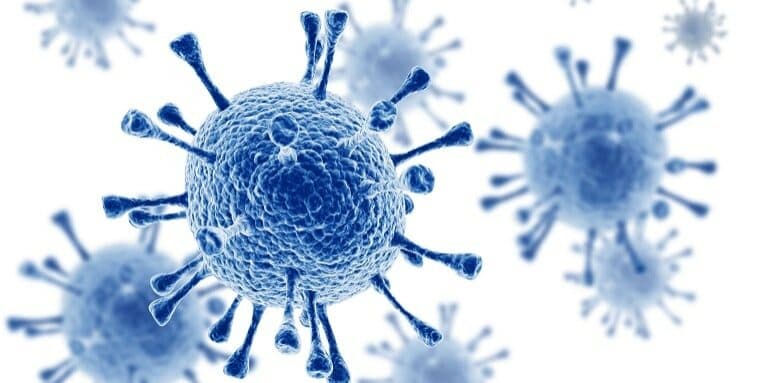
For many young people, HIV/AIDS feels like a problem belonging to another generation. The red ribbons, awareness campaigns and conversations about HIV may seem familiar, but familiarity does not necessarily mean understanding.
Decades after HIV became a global health concern, the virus remains a reality. Yet among young people, misconceptions continue to influence how HIV is perceived, discussed and prevented.
What makes HIV particularly dangerous is that it cannot be detected simply by looking at someone. A person living with HIV may look perfectly healthy and show no obvious signs of infection. This is why relying on appearances, rumours or assumptions can be dangerous. The only reliable way to know one's HIV status is through testing.
Ghana's latest national HIV estimates show just how important this conversation remains. In 2024, an estimated 334,721 people were living with HIV in Ghana. Of this number, 229,261 were females, representing about 68.5%, while 105,460 were males, representing about 31.5%. The figures also recorded 15,290 new HIV infections in 2024, with females accounting for 67.4% and males 32.6%. The statistics point to a significant gender disparity in Ghana's HIV epidemic and underline the need for young people, particularly young women, to take prevention seriously.
Another misconception is that HIV automatically means AIDS. HIV is the virus that attacks the immune system, while AIDS is the most advanced stage of untreated HIV infection. With early diagnosis and effective antiretroviral treatment, people living with HIV can manage the condition and live long, healthy lives.
But perhaps the most important conversation for young people is prevention.
University life comes with independence, new relationships and new experiences. For some students, however, conversations about sexual health remain uncomfortable. Peer pressure, alcohol, fear of judgment and the belief that “it won't happen to me” can sometimes influence decisions.
Young people must understand that a few minutes of pleasure should never be allowed to determine the course of an entire life. Do not sacrifice your health for temporary pleasure. If you choose to have sex, protection should be part of that decision. Correct and consistent condom use remains an important way to reduce the risk of HIV and other sexually transmitted infections.
There is also another prevention option young people should know about: PrEP.
PrEP means pre-exposure prophylaxis. It is HIV-prevention medication for people who do not have HIV but may be exposed to it. When taken as prescribed, PrEP can greatly reduce the risk of acquiring HIV through sex. It is available in pill and, in some settings, injectable forms.
However, PrEP should not be misunderstood as a replacement for condoms or HIV testing. It does not protect against other sexually transmitted infections or pregnancy. Before starting PrEP, a person needs an HIV test and should receive guidance from a qualified healthcare provider. People taking PrEP also need regular follow-up and HIV testing.
For young people, the message should therefore be simple: know your status, use protection and seek professional advice about HIV prevention options such as PrEP when appropriate.
Knowing one's status should not be seen as an admission of wrongdoing. HIV testing is simply an act of responsibility—to oneself and to one's partners.
There is also the issue of stigma. Even as medical understanding of HIV has improved, some people living with the virus still face discrimination, isolation and hurtful stereotypes. This can discourage people from seeking testing, treatment or support.
As students, we have a responsibility to replace fear with knowledge. HIV should not be a subject we discuss only during awareness campaigns. It should be part of an ongoing conversation about health, relationships, responsibility and informed choices.
The question, therefore, is not whether HIV still exists. It does.
The question is whether we, as a generation, know enough to protect ourselves, challenge misinformation and support those living with HIV.
In 2026, awareness should mean more than wearing a red ribbon. It should mean knowing the facts, knowing your status, rejecting stigma, using protection and making informed choices.
Because HIV may not always be visible, but knowledge, responsibility and compassion should be.
Related Stories & Campus Highlights
View All in News →
News
Sep 16, 2026 3 min read
Shatta Wale urges UPSA students to ‘build your mind’ at UPSA-1000 & Ghana entrepreneurship conference 2026.
Ghanaian musician and entrepreneur Charles Nii Armah Mensah Jr., popularly known as Shatta Wale, has urged students of the University of Professional ...

News
Sep 12, 2026 3 min read
SHS placement crisis: parents spend hours in queues as frustration grows
The 2026 Senior High School placement exercise has become a major concern for parents and students across Ghana, with some parents reportedly spending...

News
Jul 8, 2026 3 min read
J.K. Horgle pays courtesy call on UPSA Vice-Chancellor, expresses gratitude for naming of Transport and Logistics Centre
Renowned transport and logistics entrepreneur Joseph Kwaku Horgle has paid a courtesy call on the Vice-Chancellor of University of Professional Studie...

News
Jul 5, 2026 3 min read
UPSA’s Otumfuo Centre for Traditional Leadership gains global recognition
The Otumfuo Centre for Traditional Leadership (OCTL) at the University of Professional Studies, Accra (UPSA) is increasingly establishing itself as a ...