
Sports
The origins of Atlético de Madrid: How the club was born
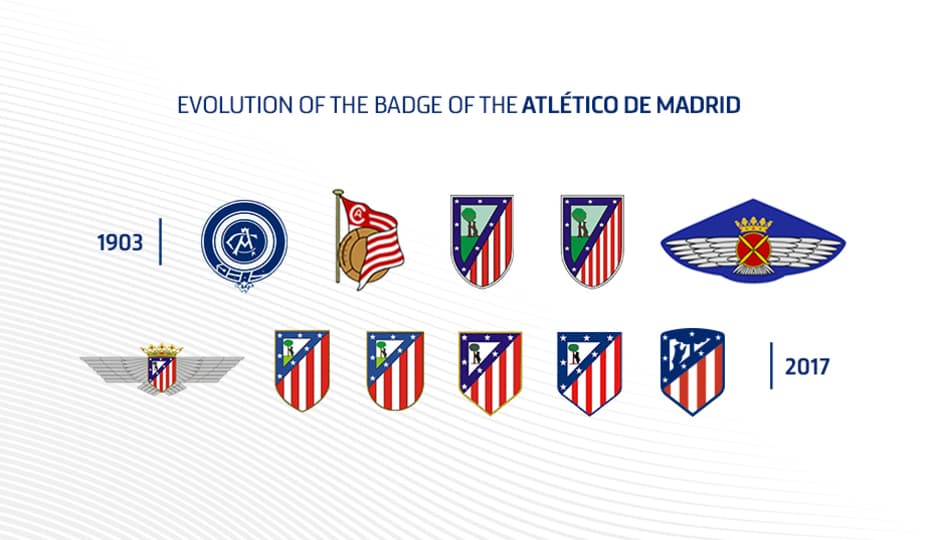
Atlético de Madrid was founded on 26 April 1903, emerging from a student initiative that connected Madrid to the rapidly growing football culture in northern Spain.
A Club Born from Bilbao Roots
The club was originally established by three Basque students, Enrique Allende, Ignacio Gortázar, and Ricardo de Gortázar, who were studying in Madrid. Inspired by their loyalty to Athletic Club of Bilbao, they formed a new team as a Madrid-based branch of the Bilbao club.
The new side was initially named Athletic Club (Sucursal de Madrid), meaning Athletic Club (Madrid Branch), and was not intended to compete independently at first. Instead, it served as a recreational outlet for Basque students and supporters living in the Spanish capital.
Early Years and Independence
In its early years, the club wore blue-and-white kits, similar to those used by Athletic Bilbao. However, as the Madrid branch grew in popularity and membership, it gradually developed its own identity.
By 1907, Athletic Club Madrid officially separated from its parent club in Bilbao, becoming an independent entity. This marked a key turning point, allowing the club to register players independently and compete fully in national competitions.
The Red and White Identity
In 1911, the club adopted its now-iconic red and white striped shirts. According to popular accounts, the fabric was cheaper and easier to source, and the new colors quickly became a defining symbol of the club. The nickname “Los Colchoneros” (The Mattress Makers) later emerged, inspired by the similarity between the stripes and traditional Spanish mattresses.
Growth and National Recognition
Atlético gained prominence in Spanish football during the 1920s, becoming a founding member of La Liga in 1929. Although early league seasons were challenging, the club steadily grew into a competitive force.
Their first major success came in 1940, when Atlético won their first La Liga title, followed by another championship in 1941, cementing their place among Spain’s top clubs.
A Club Defined by Resilience
Over time, Atlético de Madrid developed a reputation for resilience, grit, and fighting spirit traits that continue to define the club’s identity. From humble beginnings as a student-led offshoot to a powerhouse of Spanish and European football, Atlético’s journey reflects determination and independence.
JF
Jerry Freeman
Related Stories & Campus Highlights
View All in Sports →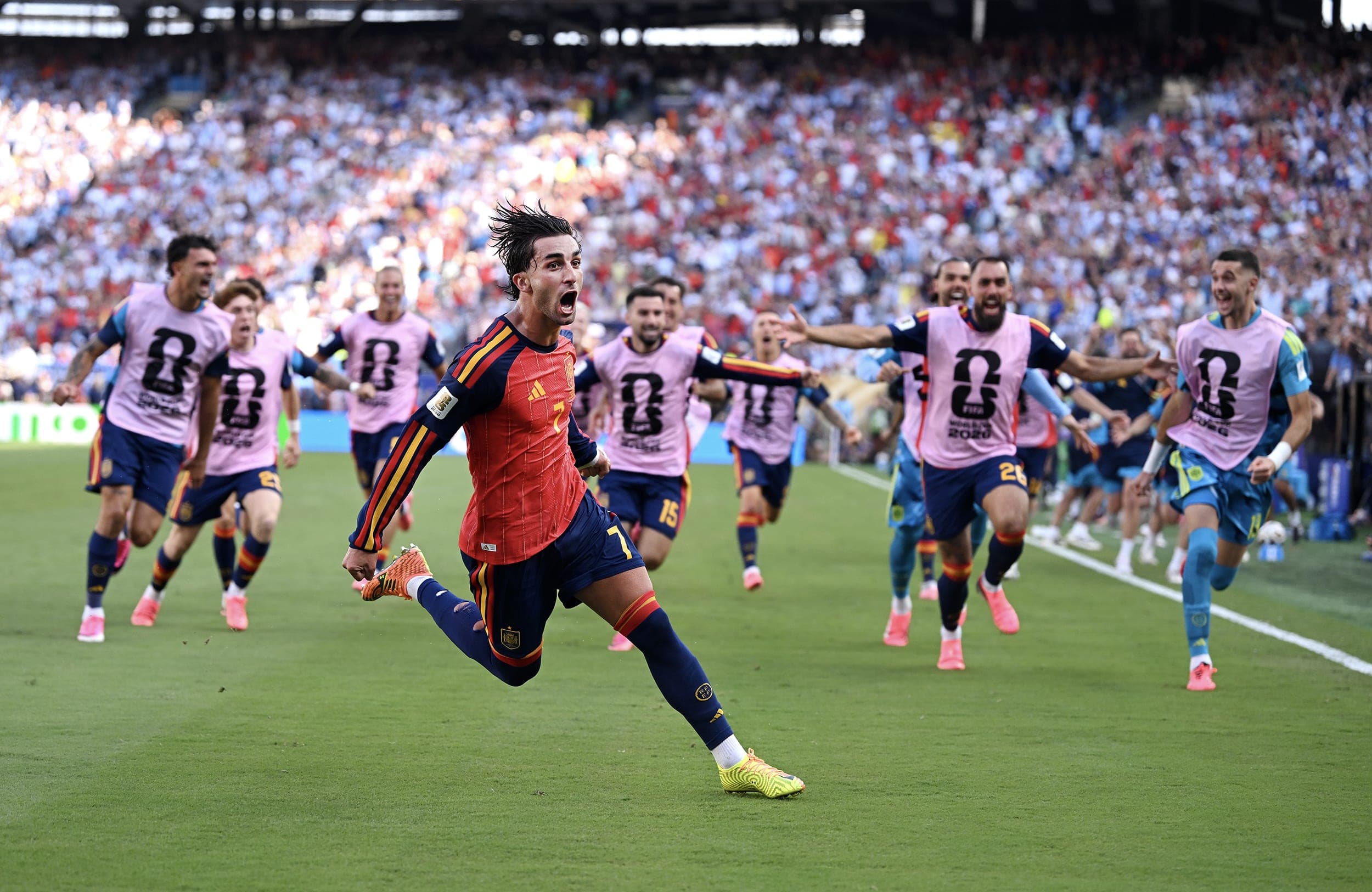
Sports
Jul 19, 2026 3 min read
Spain Beat Argentina After Extra Time to Win 2026 FIFA World Cup
Spain are world champions for the second time after Ferran Torres' extra-time winner secured a 1-0 victory over Argentina in a gripping 2026 FIFA Worl...
Sports
Jun 28, 2026 3 min read
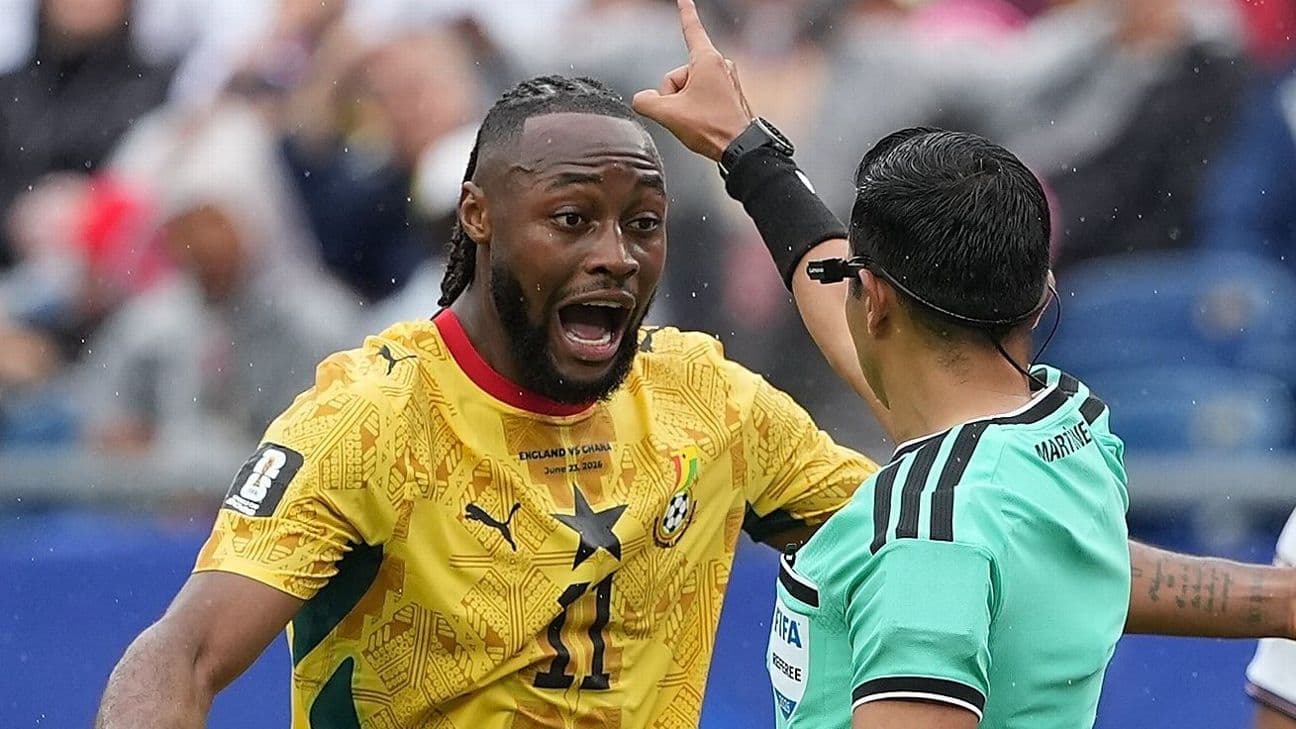
Croatia Edge Ghana in World Cup Thriller Despite Black Stars’ Brave Fight
Ghana suffered a narrow defeat to Croatia in their final Group L outing at the 2026 FIFA World Cup after a late winner sealed a dramatic 2-1 result in...
Sports
Jun 23, 2026 3 min read
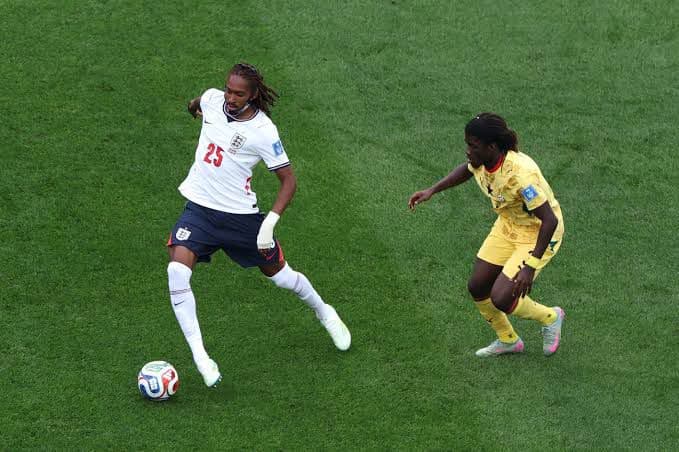
Black Stars Stand Firm to Hold England in Tense World Cup Battle
Boston, USA — June 23, 2026 Ghana produced a disciplined and resilient performance to earn a valuable draw against England in their second Group L ma...
Sports
Jun 18, 2026 3 min read
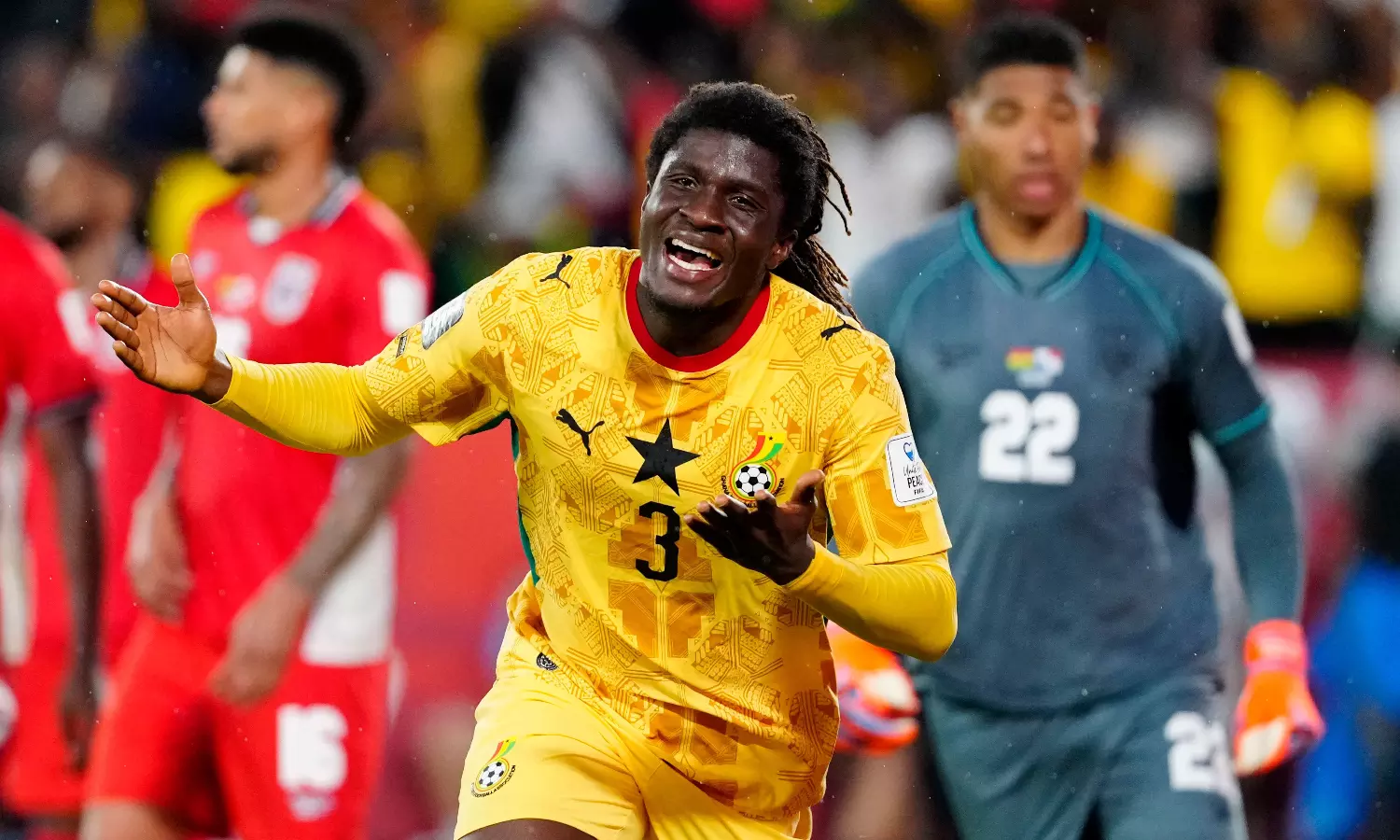
Late Yirenkyi Strike Gives Ghana Winning Start at World Cup
Ghana opened their 2026 FIFA World Cup campaign with a dramatic victory over Panama as a stoppage-time goal handed the Black Stars all three points in...