
Opinions
Behind every university result slip is a story: the struggles students endure
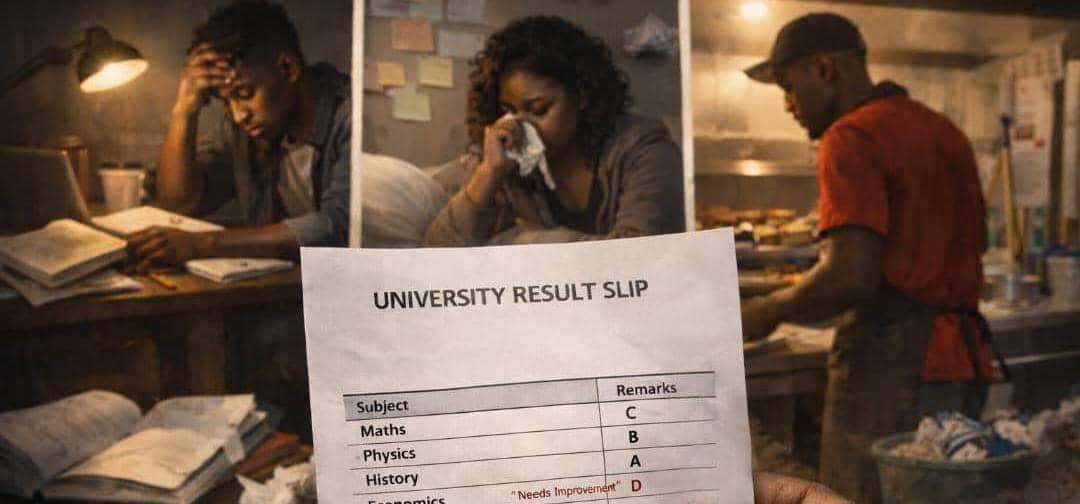
Introduction: For many students, a result slip is not just an academic record; it is the outcome of battles fought quietly, far beyond the classroom. Exam results are data points, but a student's journey is a story. Results day is often treated as a final verdict rather than a reflection of a journey. We miss the deeper narrative: the early mornings and late nights, the personal sacrifices, the quiet anxiety, and the unwavering resilience that built the foundation for that single day's performance. The true measure of achievement lies not in the mark, but in the character forged along the way. Not all stories are negative, but this article explores the hidden stories behind academic outcomes and the struggles students quietly overcome.
Setting the scene: why grades don’t tell the full story
Each result slip or GPA conceals a complex story. Experts and students agree that grades capture only academic output, not the context in which students strive. As researcher Yuwei Deng et al. (2022) conclude, academic and family stress can trigger depression and sharply hurt performance. Importantly, struggling students often try their best under impossible circumstances. They might joke they’re “lazy,” but often they’re exhausted by the weight of stress, doing jobs, or caring for family. It becomes clear that a slip in grades is not failure, just a signal that life threw more at a student than we see.
Unseen reel: what the slip doesn't show.
1. Financial struggle: Many students attend lectures while worrying about tuition fees, transport, or even food. Some skip classes to work or study late at night after long shifts; some study by candlelight while working part-time jobs. A student may look okay on the outside, but inside, they may be fighting battles that make learning feel impossible. When survival competes with studying, grades often suffer not because of a lack of ability, but a lack of stability.
2. Family duties: Some students juggle responsibilities outside school that no one sees, like caring for younger siblings or ill relatives, which further fractures their time and focus. In extreme cases, home can feel unsafe or unstable, such as facing emotional abuse or family conflict. While other students study, they are trying to survive emotionally and mentally.
3. Stress and anxiety: Others struggle with anxiety before exams, fear of disappointing family, burnout from constant expectations, or depression that drains motivation. They often hide it because of fear or shame. These emotional burdens rarely show, yet they directly affect focus, memory, and academic performance.
4. Academic pressure: University life is full of expectations. Even academically strong students are not exempt. The pressure to maintain scholarships, protect a reputation, or justify sacrifices made by parents can be overwhelming. One weak semester can feel like total failure, even when effort remains constant. These mental health struggles don’t show on result slips, but they influence how students perform.
5. Living environment and social challenges: Transitioning to independent living, dealing with bad roommates, or living in unsuitable accommodation can create immense stress. The pressure of adjusting to a new environment, budgeting, coping with noise or conflicts, and feeling isolated or unsupported can negatively affect their mental health and overall well-being. These factors often reduce concentration, motivation, and sleep quality, which can ultimately lead to lower academic performance.
Beyond the numbers: a real example
Two students can receive the same grade, but their journeys to that grade may be completely different. A student who scores a 'C' while overcoming a personal tragedy or a chronic illness has achieved a victory that a 'straight-A' student from a privileged background may never understand. When we judge a student solely by their result slip, we ignore the character developed through their specific hardships.
Recognizing the human behind the grades: When we understand that each result slip represents a person with a unique story, we treat students with more compassion and respect. It helps us see that academic success is not only about intelligence, but also about support, opportunity, and emotional well-being. If we learn to look deeper, we can build a university environment that supports students through their challenges, not just their exams.
Shifting the narrative
As a society, we must begin to value the process as much as the product. If you’re a student, remember that asking for help is not a weakness, it is a strength. Speak up early, build a realistic study plan, and prioritize your mental health. Seek support when you need it, whether through counseling, mentors, or friends. If you’re a lecturer or work at a university, create a safe space where students can share struggles without fear. Provide counseling, mentorship, and support programs. If you’re a parent or guardian, encourage effort and progress, not only results. Be emotionally available and supportive.
Conclusion
While many result slips show struggles, some also reflect resilience and growth. Some students improve their grades despite difficulties. Others bounce back after a bad semester. These stories show strength, determination, and hope. Sometimes a result slip shows not failure but progress; it shows what happened, not necessarily why. Instead of judging a student based only on grades, we must ask deeper questions: What challenges did they face? What support did they have? What effort did they make?
Call to action:
Let’s stop judging students by their grades alone. Reach out to a student today, offer support, or share this message to remind others that every result slip tells a deeper story.
Related Stories & Campus Highlights
View All in Opinions →
Opinions
Aug 29, 2026 3 min read
Behind the slogan: how UPSA prepares students for corporate Ghana
The University of Professional Studies, Accra (UPSA) proudly bills itself as the "Face of Professionalism." But is this a genuine reflection of what t...

Opinions
Aug 27, 2026 3 min read
Beyond the suggestion box: is the student voice really being heard?
Students are at the heart of every university, yet one question deserves more attention: How much influence do students really have on decisions that ...
Opinions
Aug 18, 2026 3 min read
Embracing the uncertainty of your 20s
Your 20s are often presented as the time when you should have everything figured out; your career, finances, relationships, purpose, and future. Socia...

Opinions
Aug 12, 2026 3 min read
Raising a child out of wedlock: is it really easy?
Raising a child is a major responsibility, whether the parents are married or not. However, raising a child out of wedlock can come with additional ch...