
Features
Beyond the timetable: degrees earned in class and on the job
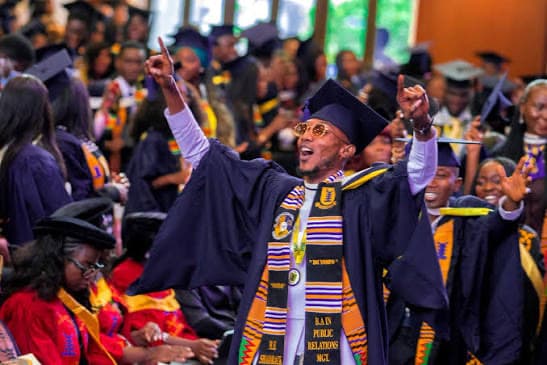
The campus wakes slowly; lights flicker on in hostels, and lecture halls wait in silence. But some students are already exhausted, returning from night shifts or early morning jobs that pay just enough to keep them enrolled. By the time the first lecture begins, they sit in class carrying more than notebooks, rent, transport fares, unpaid fees, and the quiet fear that missing one shift or one lecture could cost them everything. Beneath their desks lie stories that the timetable does not capture: degrees earned not only in classrooms but also on the job.
Investigations into student welfare show that a growing number of students work not for experience but out of survival. Causes vary: some have lost parents, leaving them to navigate adulthood alone; others face abandonment or poverty that makes even basic needs a daily calculation. Some return to education later, carrying the weight of regret over earlier decisions and determined to “put their life back in shape.” Rising accommodation costs, transportation fares, learning materials, and limited financial aid push students into jobs that are often insecure, underpaid, and lack flexibility just to remain enrolled.
The cost is measurable. Working students are more likely to miss lectures, submit assignments late, or struggle with concentration. Yet these outcomes are often mistaken for laziness or lack of seriousness. The system rarely asks why. Beyond statistics lies an emotional weight: loneliness while others rest and guilt for not meeting expectations. Yet, these students persist, negotiating deadlines, stretching time, and discovering strength in survival. But resilience should not be a requirement for access to education. Struggle should not be the price of a degree.
This reality raises urgent questions for the campus community. How inclusive is an academic environment that assumes equal starting points? How supportive are systems that celebrate excellence yet overlook endurance? What policies exist to protect students who work not out of ambition but necessity? A truly progressive campus does not only produce high achievers; it protects its most vulnerable. Flexible lecture schedules, understanding academic policies, stronger financial support structures, and accessible student employment opportunities are not privileges. They are safeguards.
For the youth and the general public, this story reflects a broader national challenge. Education remains the ladder out of hardship, but too many students climb it with broken steps. Still, they climb. Balancing work and study is not a phase; it is a testimony. It speaks of students shaped by loss, abandonment, hardship, and second chances—students who refuse to surrender their futures, even when the present is heavy. When graduation day finally comes, their degrees will not only represent academic achievement; they will represent survival, sacrifice, regret transformed into resolve, and quiet courage. Long after the timetable is forgotten, their struggle will remain written in who they become.
Related Stories & Campus Highlights
View All in Features →
Features
Sep 9, 2026 3 min read
Survivors don't wear capes: they just don't quit
Survival is not merely about staying alive; it is the courage to keep moving forward when life presents its greatest challenges. Every day, people fac...
Features
Sep 8, 2026 3 min read
Where challenges become stepping stones: a semester of promise
The reopening of school marks the beginning of another exciting academic journey filled with fresh opportunities and new challenges. Campuses that wer...

Features
Sep 6, 2026 3 min read
The library that travels
Have you ever heard of Logos Hope? Logos Hope is a ship that travels to different countries, filled with books. If you are someone who loves books, t...
Features
Aug 24, 2026 3 min read
Balancing books and bills: the struggles of working students
By 6:15 a.m., Abena Owusu-Ansah is on a trotro down the Spintex road, textbook on her knee, name tag from the supermarket tucked in her bag. Lectures ...