
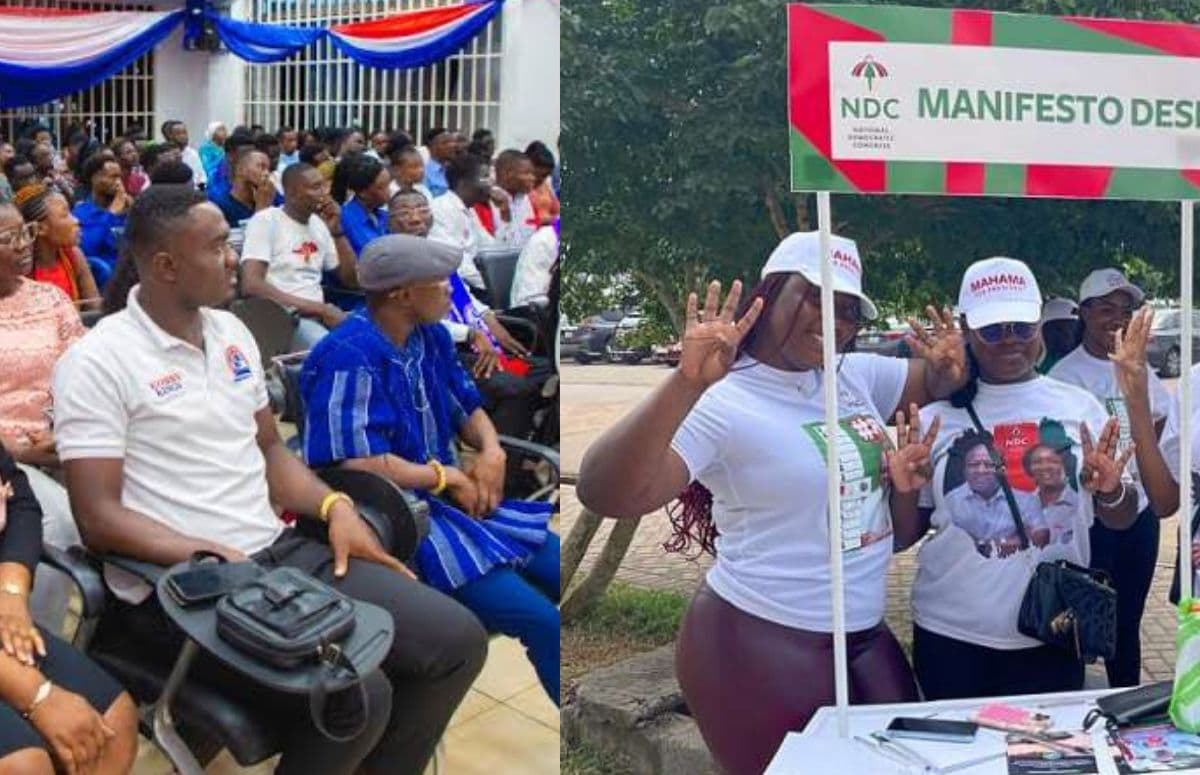
Ghanaian universities experience a surge of political activity as the academic year progresses, marked by the prominent presence of the Tertiary Education Institutions Network (TEIN) and the Tertiary Students Confederacy (TESCON). This period sees idealism, ambition, and national political rivalries converge, creating a tense atmosphere where student politics peaks.
Ideological Battle Lines
TEIN, affiliated with the National Democratic Congress (NDC), advocates for social justice and equity, often criticizing government policies and championing the marginalized. TESCON, aligned with the New Patriotic Party (NPP), promotes progress, entrepreneurship, and meritocracy, focusing on digital innovation and individual agency.
Manifestations of Tension
The clash between these narratives manifests in several ways:
1. Propaganda War: Walls become contested spaces with posters being torn down and replaced by opposing sides.
2. Heated Debates: Lecture halls turn into coliseums where arguments prioritize winning over voters rather than intellectual discourse.
3. Social Fracture: Friendships are strained, and political affiliations lead to self-segregation in social spaces.
National Politics Influence
Campus tensions are amplified by the influence of national politics, with rhetoric, strategies, and resources often mirroring those of parent political parties. A controversial statement by a national party official can trigger immediate reactions on campus.
Human Cost and Resolution
The peak season can lead to intolerance, misinformation, and a toxic environment that stifles dialogue, overshadowing shared student challenges like accommodation and academic stress. However, shared crises, such as weather disruptions or water shortages, can force a reset, reminding students of their common institutional hurdles.
Bridging the Divide
Hopeful outcomes emerge when individuals bridge divides, such as TEIN and TESCON members collaborating on bipartisan proposals. Such collaborations reveal that shared goals can outweigh political differences.
Conclusion: A Necessary Crucible
The tensions arising from peak political activity reflect a vibrant democracy, with the campus serving as a crucible for future leaders. The true measure lies in how this tension is managed, ideally fostering respectful understanding and collaboration rather than permanent hostility. The lesson is that after the political storm, there is potential for growth if both sides are willing to work together.
CK
Caroline Kasukose
editor
Voice of UPSA editorial team member.
Loading discussion...
Related Stories & Campus Highlights
View All in Features →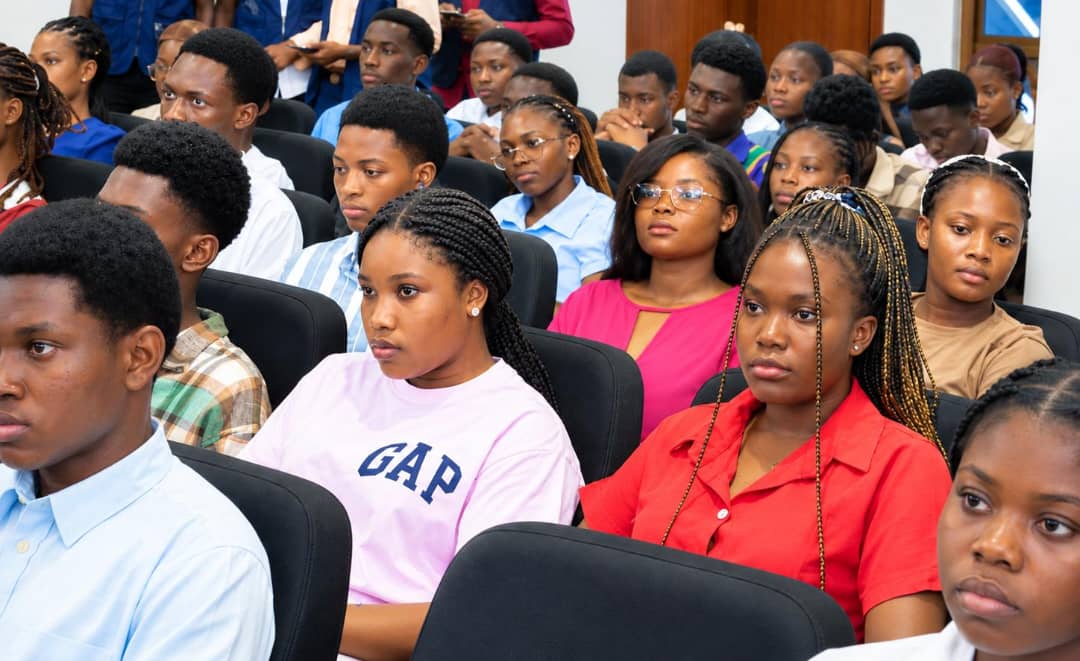
Features
Sep 9, 2026 3 min read
Survivors don't wear capes: they just don't quit
Survival is not merely about staying alive; it is the courage to keep moving forward when life presents its greatest challenges. Every day, people fac...
Features
Sep 8, 2026 3 min read
Where challenges become stepping stones: a semester of promise
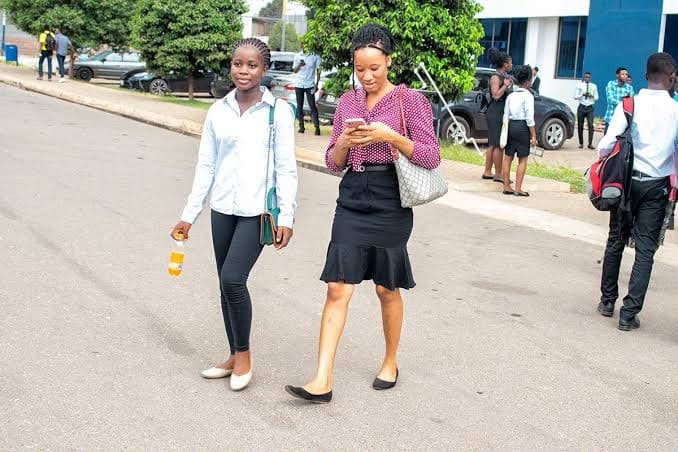
The reopening of school marks the beginning of another exciting academic journey filled with fresh opportunities and new challenges. Campuses that wer...
Features
Sep 6, 2026 3 min read
The library that travels
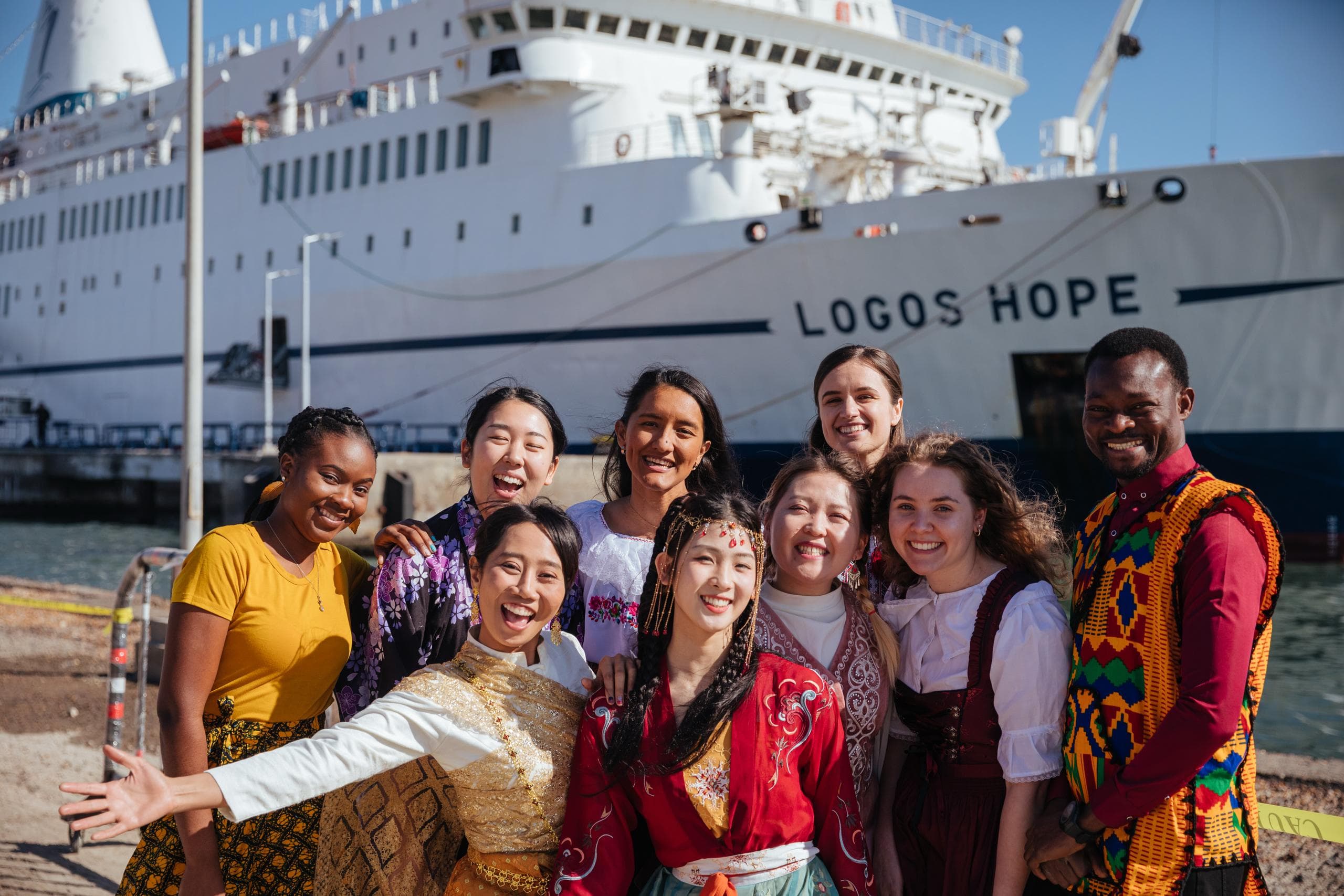
Have you ever heard of Logos Hope? Logos Hope is a ship that travels to different countries, filled with books. If you are someone who loves books, t...
Features
Aug 24, 2026 3 min read
Balancing books and bills: the struggles of working students
By 6:15 a.m., Abena Owusu-Ansah is on a trotro down the Spintex road, textbook on her knee, name tag from the supermarket tucked in her bag. Lectures ...