
Opinions
Christian denominations on campus: creating connections or erecting barriers?
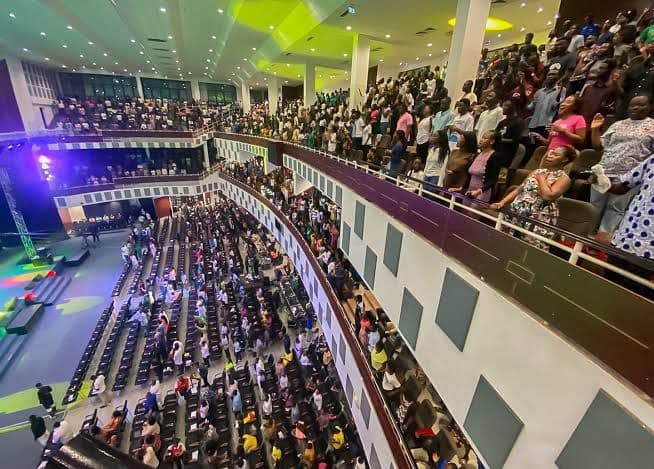
Campus life has been significantly influenced by Christian groups, which provide spiritual direction, community, and fellowship. However, while many celebrate their role, this raises an important question: Do these groups promote harmony or inadvertently create divisions among students?
On one hand, these religious organizations offer vital resources. Participants in Catholic, Methodist, Pentecostal, and Charismatic groups frequently receive mentorship, academic aid, and emotional support. For example, a new student feeling homesick might find solace in a prayer circle, while another manages demanding studies alongside leadership responsibilities within a group. These networks instil a sense of responsibility, promote community service through volunteer initiatives, and present leadership experiences that reach beyond academic environments.
Nevertheless, the campus landscape can be quite intricate. The existence of various denominations can lead to subtle hierarchies and societal pressures. Some individuals may experience feelings of exclusion if they do not belong to a widely accepted group or adhere to specific beliefs. Although there are inter-denominational partnerships, differing worship practices, convictions, and outreach methods can give rise to competition over collaboration. A student might be reluctant to join a community out of fear of negative judgment, while others may leverage their religious ties as a means of social standing or prioritize affiliations over authentic spiritual development.
The concern is not with faith itself; it’s about the functioning of these groups on campus. When community gatherings emphasize inclusivity, cooperation, and collective service, they help fortify the student community. Conversely, when they adopt a rigid, competitive, or exclusivist stance, they risk alienating individuals and heightening divisions.
For faith to genuinely enhance campus experiences, leaders and organizations must focus on fostering openness, compassion, and respect, establishing environments where every student: whether a believer or explorer, can flourish. Christian groups have the potential to serve as bridges connecting students with purpose, shared values, and each other, or they can act as walls that separate them. The determination of which role they assume ultimately depends on how these organizations interact with their members and the broader campus community.
CK
Related Stories & Campus Highlights
View All in Opinions →
Opinions
Aug 29, 2026 3 min read
Behind the slogan: how UPSA prepares students for corporate Ghana
The University of Professional Studies, Accra (UPSA) proudly bills itself as the "Face of Professionalism." But is this a genuine reflection of what t...
Opinions
Aug 27, 2026 3 min read
Beyond the suggestion box: is the student voice really being heard?
Students are at the heart of every university, yet one question deserves more attention: How much influence do students really have on decisions that ...
Opinions
Aug 18, 2026 3 min read
Embracing the uncertainty of your 20s
Your 20s are often presented as the time when you should have everything figured out; your career, finances, relationships, purpose, and future. Socia...

Opinions
Aug 12, 2026 3 min read
Raising a child out of wedlock: is it really easy?
Raising a child is a major responsibility, whether the parents are married or not. However, raising a child out of wedlock can come with additional ch...