
Opinions
Corruption in the crucible: Ghana's ongoing political evolution
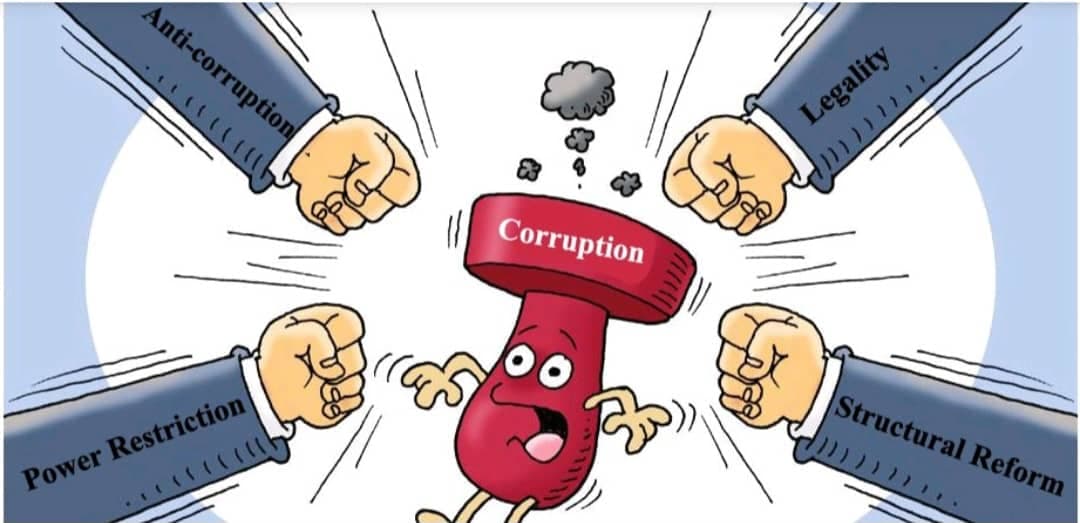
Ghanaian politics presents a complex narrative of democratic progress intertwined with persistent challenges. While the nation boasts a history of peaceful transitions, a free press, and a strong civil society, it also grapples with recurring scandals, accountability issues, and public discontent with governance, threatening its democratic foundation. Ghana's democracy is actively evolving, with each controversy testing its institutions.
The current political landscape is marked by high-stakes confrontations. Events such as the contentious removal of a Chief Justice, parliamentary clashes over ministerial vetting, and the Office of the Special Prosecutor (OSP) declaring a former Finance Minister as wanted, reveal struggles over executive power, legislative independence, and judicial integrity. Events like the violent Ablekuma North rerun and the Obuasi mine shooting underscore a political environment where competition can become volatile.
Corruption remains a systemic challenge, connecting various issues. The OSP's investigation into former Finance Minister Ken Ofori-Atta is a critical test for the country’s anti-corruption efforts. The public's skepticism is fueled by past scandals, such as the "Ghost Names" in public payrolls, which exposed the misuse of bureaucratic processes for theft.
The impact of corruption is significant. The Ghana Integrity Initiative estimates that it drains approximately USD 3 billion from the national treasury annually. These funds are crucial for addressing economic issues like rising inflation, heavy debt, and youth unemployment, where half a million new entrants struggle to find jobs each year. The government's management of issues like the controversial energy levy and pricing disputes with private entities reflects an economy under strain due to lost resources.
Despite these challenges, there are signs of progress. The existence of the OSP, despite debates over its effectiveness, demonstrates an institutional response to public demands for accountability. Initiatives like "Operation Recover All the Loot" and the National Commission for Civic Education’s (NCCE) anti-corruption programs in schools aim to promote a culture of integrity. The recent IMF governance diagnostic identifies weaknesses and provides a roadmap for strengthening procurement and fiscal oversight.
The return of former President John Mahama adds complexity to this evolution. His administration faces the challenge of navigating the same issues it once criticized, under increased scrutiny from the opposition and a public weary of unfulfilled promises. The arrest of high-profile figures like NPP’s Chairman Wontumi for alleged illegal mining, and the sentencing of celebrity evangelist Agradaa for fraud, indicate that the legal system can hold powerful individuals accountable, albeit slowly.
Ghana's political environment is a dynamic process of adaptation, characterized by both corruption scandals and anti-corruption efforts. Parliamentary sessions can be chaotic, even as national dialogues seek fiscal discipline. Trust in institutions remains low, but civic engagement is high.
Ghana faces a critical juncture, requiring institutions strong enough to consistently hold power accountable. The path forward depends on whether the pressure from scandals, public outrage, and economic necessity will lead to truly accountable governance, or a continuous cycle of struggle. The principles of transparency and justice, demanded by the Ghanaian people, will be the ultimate determinants of success.
Related Stories & Campus Highlights
View All in Opinions →
Opinions
Aug 29, 2026 3 min read
Behind the slogan: how UPSA prepares students for corporate Ghana
The University of Professional Studies, Accra (UPSA) proudly bills itself as the "Face of Professionalism." But is this a genuine reflection of what t...
Opinions
Aug 27, 2026 3 min read
Beyond the suggestion box: is the student voice really being heard?
Students are at the heart of every university, yet one question deserves more attention: How much influence do students really have on decisions that ...
Opinions
Aug 18, 2026 3 min read
Embracing the uncertainty of your 20s
Your 20s are often presented as the time when you should have everything figured out; your career, finances, relationships, purpose, and future. Socia...
Opinions
Aug 12, 2026 3 min read
Raising a child out of wedlock: is it really easy?
Raising a child is a major responsibility, whether the parents are married or not. However, raising a child out of wedlock can come with additional ch...