
Features
Decoding Valentine’s Day: rituals, saints, and sweets

The world turns red and pink. Flowers sell out quickly, chocolates are in high demand, and love messages travel across the globe on February 14 each year. Yet behind today’s celebration of love lies a history far more complex than flowers and chocolates.
Valentine’s Day did not start as a simple celebration of love; it began as a mix of ancient traditions, religious history, and medieval poetry.
Long before the name Valentine was known, the Romans celebrated a mid-February festival called Lupercalia. It was a pagan festival held between February 13 and 15, devoted to fertility and purification, and centered on themes of renewal. As Christianity spread through Rome, church leaders sought to replace these pagan rituals with Christian observances, which is where the story begins to shift toward a specific hero.
In the 3rd century AD, Emperor Claudius II reportedly banned marriage for young men, believing that single men made better soldiers because they had fewer emotional attachments. A priest named Valentine disagreed and continued to perform marriages in secret. When the emperor discovered this defiance, Valentine was arrested and executed on February 14, around 270 AD.
Years later, he was honored as Saint Valentine, remembered for defending love even at the cost of his life. By the late 5th century, Pope Gelasius I officially declared February 14 as St. Valentine’s Day. However, the strong link between this day and romantic love did not fully develop until the Middle Ages.
In the 14th century, English poet Geoffrey Chaucer connected the day with courtly love in his writings. From then on, February 14 slowly became associated with romance and affection. By the 18th century, people in Europe began exchanging handwritten love notes, which eventually evolved into the decorated cards we see today.
In the 19th century, mass-produced Valentine’s cards became popular, turning handwritten letters into a global industry. Today, it is one of the biggest holidays for sending cards, flowers, and chocolates. Social media has added another layer, with public declarations of love shared instantly across the world.
Interestingly, the meaning of the day continues to expand. Many now use the day to show appreciation for friends and family. In countries like Ghana, February 14 is also observed as National Chocolate Day, highlighting the importance of cocoa and sharing sweetness with everyone. Valentine’s Day did not appear overnight.
It grew from ancient rituals, passed through Christian history, blossomed in poetry, and expanded through modern commerce. From secret marriages in ancient Rome to digital messages today, the story of Valentine’s Day reminds us that while traditions evolve, the message of love remains timeless.
Related Stories & Campus Highlights
View All in Features →
Features
Sep 9, 2026 3 min read
Survivors don't wear capes: they just don't quit
Survival is not merely about staying alive; it is the courage to keep moving forward when life presents its greatest challenges. Every day, people fac...

Features
Sep 8, 2026 3 min read
Where challenges become stepping stones: a semester of promise
The reopening of school marks the beginning of another exciting academic journey filled with fresh opportunities and new challenges. Campuses that wer...
Features
Sep 6, 2026 3 min read
The library that travels
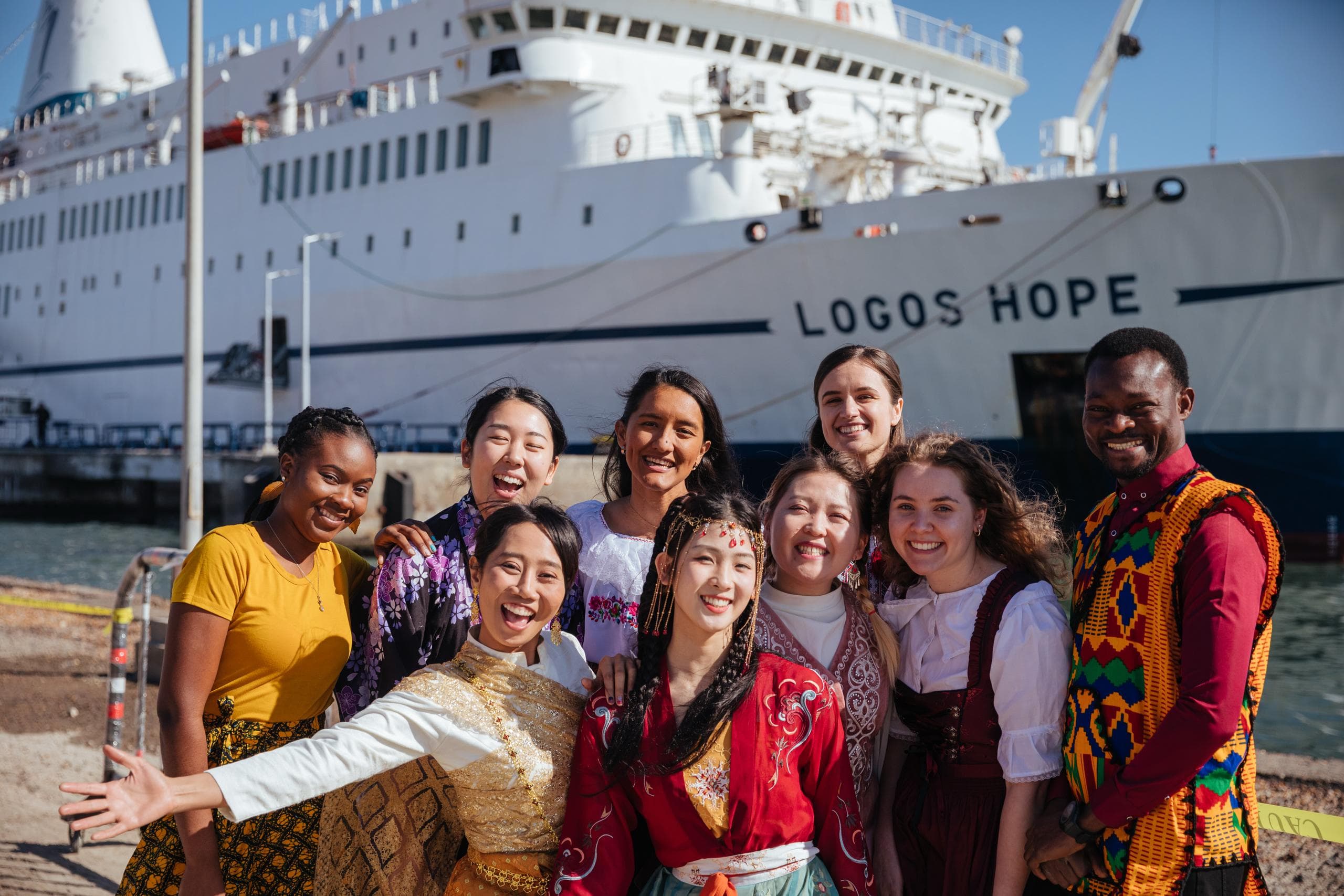
Have you ever heard of Logos Hope? Logos Hope is a ship that travels to different countries, filled with books. If you are someone who loves books, t...

Features
Aug 24, 2026 3 min read
Balancing books and bills: the struggles of working students
By 6:15 a.m., Abena Owusu-Ansah is on a trotro down the Spintex road, textbook on her knee, name tag from the supermarket tucked in her bag. Lectures ...