
Opinions
Ghana vs modernity: why modern culture cannot be fully adopted
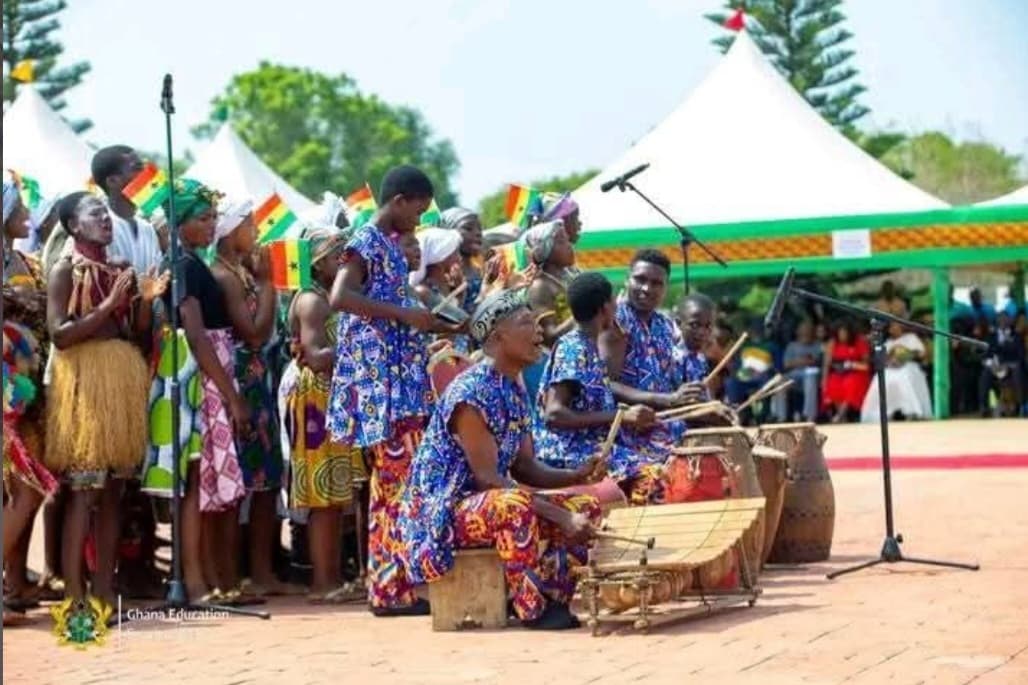
There is a persistent belief shaping Ghana's schools, workplaces, and media that genuine national progress requires wholesale adoption of Western lifestyle. In making this assumption, we often confuse modernization with modernity itself. Modernization is practical and necessary - building hospitals, upgrading roads, expanding schools, and adopting technology. Modernity, however, demands we abandon traditional ways of living for an individualistic, consumer-driven lifestyle. Contemporary Ghana cannot absorb this version of Western culture without threatening the communal mindset rooted in Ubuntu - the understanding that an individual exists because the community exists. This tension forces a choice between deeply held values and the pressure to conform to global trends.
Traditionalism as a national foundation
To understand why foreign cultural models cannot simply be pasted onto Ghanaian life, we must examine the role of tradition. In Ghana, tradition is not an obsolete relic nor a set of backward ideas to discard. It serves as a living framework for daily survival and peace, woven from ancestral values, respect for elders, and the institution of chieftaincy, which maintained social order long before formal courts existed.
What makes this foundation durable is its emphasis on collective accountability. While global modernity preaches radical individualism, where everyone looks out only for themselves - Ghanaian tradition stands as a fortress of shared responsibility. Our identity ties to family lineage, clans, and hometowns. Traditionalism provides a moral compass, teaching patience, respect, and integrity over quick financial gain. We cannot erase a thousand years of lived wisdom for a few decades of imported trends.
The communal safety net
This difference becomes clear when comparing Ghana's extended family system with Western nuclear households. In individualistic societies, family support is often commercialized - parents pay heavily for daycare, and those facing crises handle things alone. In Ghana, social life relies on genuine community involvement. Major life events are shared experiences: when a child is born, the neighbourhood gathers for the outdooring ceremony; marriage becomes an alliance between extended families, not just two individuals.
We see this safety net most clearly during loss. A Ghanaian funeral is a massive community effort- neighbours organize logistics, raise funds, and keep constant company with grieving families. This contrasts sharply with modern culture's suggestion that success means isolated houses behind walls. Watching how Ghanaians live, celebrate, and mourn together reveals that cold individualism simply does not work in a society built on human warmth.
Moral disconnect and local concerns
Forcing these two ways of living together has created noticeable confusion, especially among youth. Constant exposure to Western media and global expectations has produced an identity crisis where traditional values challenge modern definitions of freedom. Popular global media often paints restraint as backward, celebrating "doing your own thing". Young people mistake arrogance for confidence, trading community integrity for internet fame.
Everyday Ghanaians: elders, market women in Makola, local parents - share concerns about declining discipline. Their concerns go beyond fashion trends to a real breakdown in community child-rearing. Previously, any elder could correct a child; today, modern privacy norms silence intervention. People who lived through both eras recognize that uncritical adoption of foreign habits weakens moral discipline. At the community level, this wave of modern culture is not seen as progress but as a threat to character building.
A balanced path forward
Ghana cannot fully adopt Western modernity without destroying the values that hold society together. Our traditional systems provide identity and order, the extended family offers emotional and economic security that individualistic models cannot match. The confusion among youth and elders' warnings confirm that copying foreign culture will not work on Ghanaian soil.
However, national development does not require choosing between staying stuck in the past or becoming entirely Westernized. Real progress happens through balance. Ghana can embrace useful modern tools: industrial technology, scientific research, medical improvements, digital infrastructure while anchoring them in our values of community responsibility, respect, and human dignity. We must define progress on our own terms, building a model of development that reflects our own history, culture, and social reality.
Related Stories & Campus Highlights
View All in Opinions →
Opinions
Aug 29, 2026 3 min read
Behind the slogan: how UPSA prepares students for corporate Ghana
The University of Professional Studies, Accra (UPSA) proudly bills itself as the "Face of Professionalism." But is this a genuine reflection of what t...
Opinions
Aug 27, 2026 3 min read
Beyond the suggestion box: is the student voice really being heard?
Students are at the heart of every university, yet one question deserves more attention: How much influence do students really have on decisions that ...
Opinions
Aug 18, 2026 3 min read
Embracing the uncertainty of your 20s
Your 20s are often presented as the time when you should have everything figured out; your career, finances, relationships, purpose, and future. Socia...
Opinions
Aug 12, 2026 3 min read
Raising a child out of wedlock: is it really easy?
Raising a child is a major responsibility, whether the parents are married or not. However, raising a child out of wedlock can come with additional ch...