
Features
Ghanaian universities: Balancing academics and social life
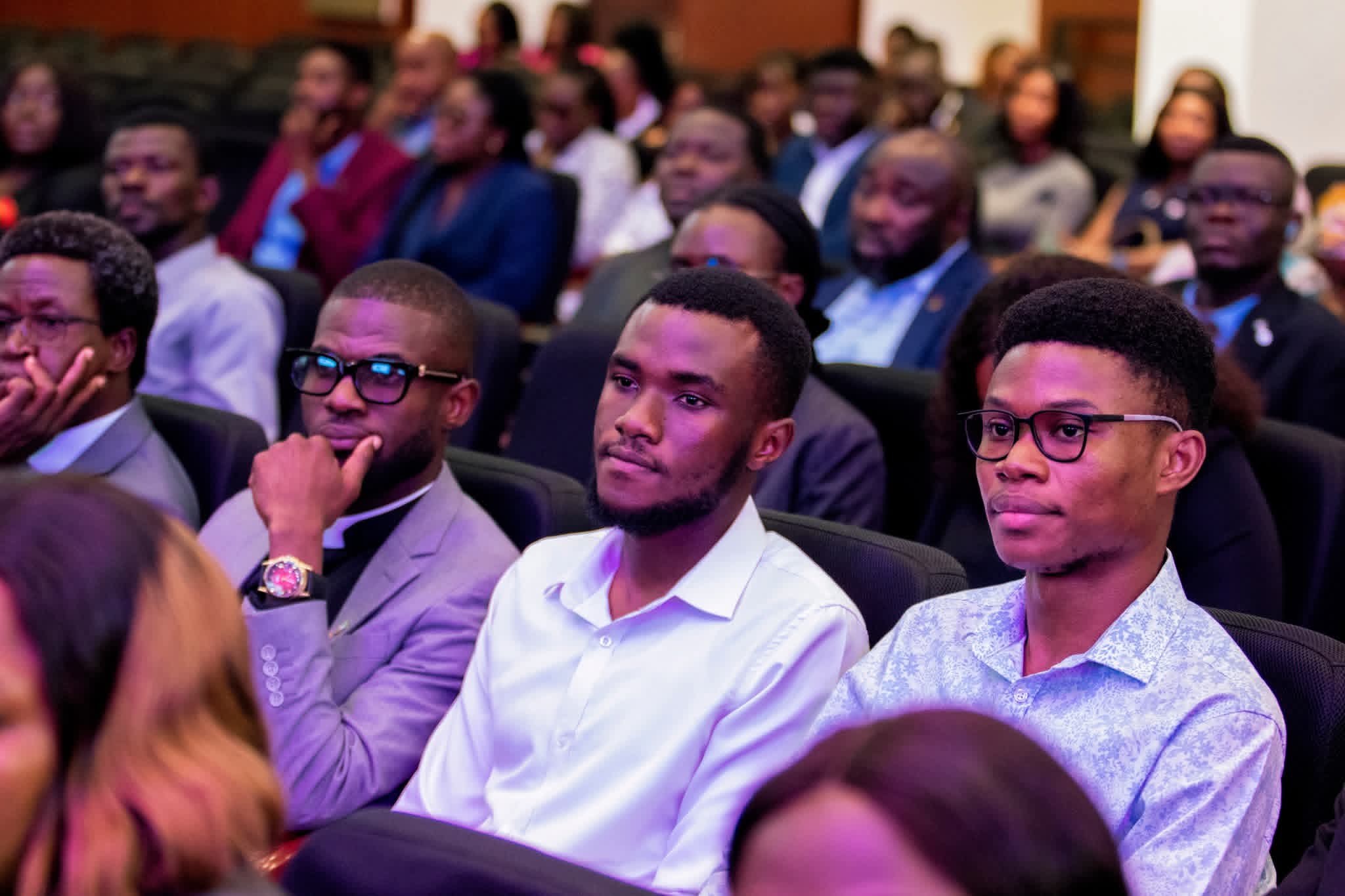
Ghanaian universities present a unique microcosm where intellectual growth intertwines with social development. Students navigate a crucial period, balancing academic rigor with the allure of social engagement. Mastering this balance is essential for success, but many students find themselves on a precarious path.
The modern campus social scene has evolved beyond traditional events, becoming a 24/7 ecosystem driven by social media, instant messaging, and constant invitations. The library competes with off campus spots, vibrant nightlife, and endless social gatherings. Students face pressure to be seen, belong, and experience everything, leading to the fear of missing out (FOMO).
One student notes the challenge of transitioning from the structured environment of secondary school to the freedom of university life. Saying "no" to social activities can feel like missing out on the full university experience, making it difficult to prioritize academics. Social currency on campus is often tied to visibility and participation.
For some students, balancing academics and social life requires a calculated strategy, such as dedicating specific hours to studying and muting distracting group chats. However, the line between balance and derailment is thin, and the consequences of prioritizing social life can be severe.
Falling "astray" involves a gradual disconnection from purpose, routine, and accountability. This can manifest as skipped lectures, rushed assignments, and reversed sleep patterns. The initial excitement of freedom can give way to anxiety as exams approach and neglected responsibilities come to light.
Financial strain further compounds the issue, as students divert funds from academic resources to social activities and appearances. This can lead to dependence on peers or risky shortcuts for money, exacerbating the problem.
The psychological toll is significant, with students experiencing guilt, shame, and a sense of being lost. They struggle with procrastination and escapism, leading to isolation, depression, and an identity crisis. This is a stark contrast to the confident scholar they once envisioned themselves becoming.
University authorities and support systems recognize the importance of helping students rebuild structure, manage time, and redefine a "successful" university experience. Intentional integration of social life, rather than complete abstinence, is key. Successful students often adopt habits like time blocking, treating university like a 9 to 5 job, and cultivating the power to say "no" without guilt.
The challenge of balancing social life and academics in Ghanaian universities requires intentional strategies, discipline, and a clear understanding of personal priorities. By finding the right balance, students can thrive both academically and socially, paving the way for a successful future.
Related Stories & Campus Highlights
View All in Features →
Features
Sep 9, 2026 3 min read
Survivors don't wear capes: they just don't quit
Survival is not merely about staying alive; it is the courage to keep moving forward when life presents its greatest challenges. Every day, people fac...
Features
Sep 8, 2026 3 min read
Where challenges become stepping stones: a semester of promise
The reopening of school marks the beginning of another exciting academic journey filled with fresh opportunities and new challenges. Campuses that wer...

Features
Sep 6, 2026 3 min read
The library that travels
Have you ever heard of Logos Hope? Logos Hope is a ship that travels to different countries, filled with books. If you are someone who loves books, t...
Features
Aug 24, 2026 3 min read
Balancing books and bills: the struggles of working students
By 6:15 a.m., Abena Owusu-Ansah is on a trotro down the Spintex road, textbook on her knee, name tag from the supermarket tucked in her bag. Lectures ...