
Opinions
How the student housing crisis is undermining higher education in Ghana
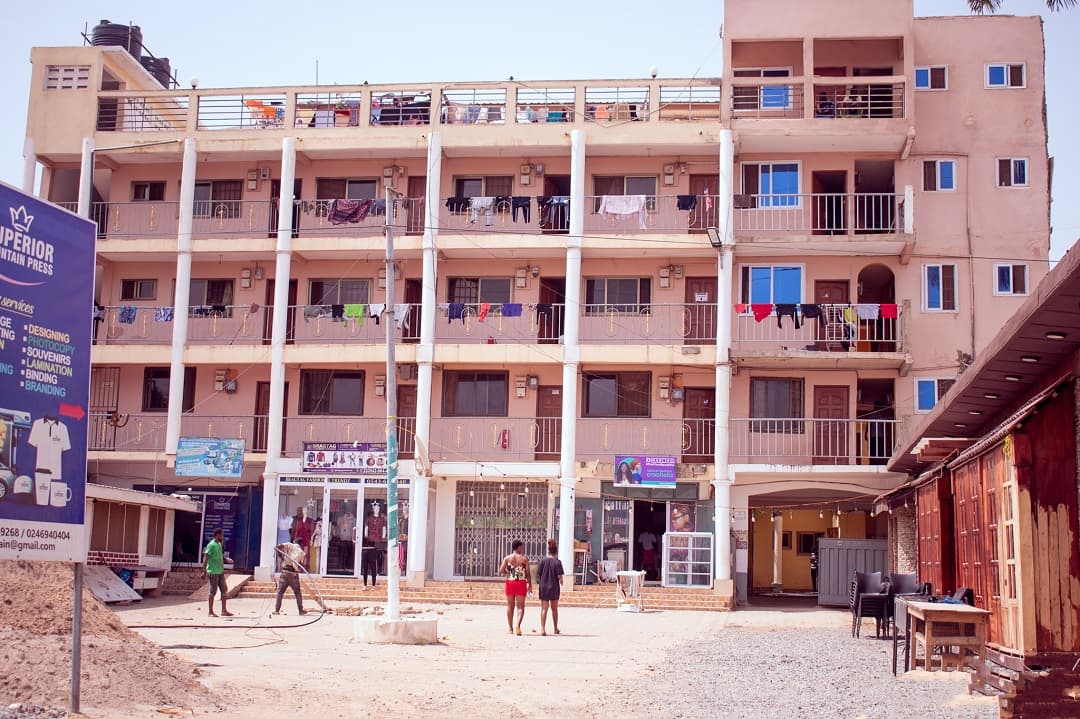
In universities across Ghana, a silent but profound crisis, marked by the escalating cost and shrinking availability of decent student accommodation, is eroding the academic promise of tertiary education. What should be an exciting chapter of personal and intellectual growth is, for many, overshadowed by the constant, grinding pressure of finding a safe and affordable place to sleep. The problem is simple: rapid student enrolment has far outpaced the capacity of on-campus halls, leaving the vast majority of young scholars at the mercy of a volatile private rental market.
The root of the crisis is a classic supply and demand imbalance. With the continued expansion of public tertiary education, student numbers surge annually, but university infrastructure has not kept pace. This massive shortfall has created a lucrative vacuum for private developers. While private hostels are essential in bridging the gap, their profit-driven model results in exorbitant rental values, particularly in high-demand areas close to campuses like the University of Ghana, UPSA, and KNUST. This unaffordability is forcing students into impossible choices. The rent for a single room can often exceed tuition fees, leading many to resort to overcrowded, substandard off-campus residences or, worse, forcing them into risky distant commutes. Students are compelled to spend crucial hours travelling through traffic or to take on multiple insecure jobs just to cover their rent, severely sacrificing study time and energy.
The impact of this housing burden on academic performance is profound and quantifiable. Studies indicate that students living in quality on-campus or close-proximity housing often achieve higher Grade Point Averages (GPAs) compared to their off-campus counterparts. The reasons are intuitive: off-campus housing is frequently plagued by unreliable utilities (water and electricity), poor security, and excessive noise. These deficiencies create an unconducive learning environment that prevents the deep focus and consistent routine required for success. When a student’s basic need for shelter, safety, and a quiet space to study is unmet, learning becomes secondary to survival.
Furthermore, the crisis takes a heavy toll on mental health. The stress of financial strain, fear of theft, and the lack of privacy contribute significantly to feelings of anxiety and fatigue, hindering their ability to engage socially and academically. The educational journey is fundamentally about integration: both academic and social, and poor housing conditions actively work against this, isolating students from campus resources like libraries, faculty, and peer support networks.
To resolve this, we need a multi-pronged approach. Universities must urgently prioritize the expansion of on-campus housing capacity, perhaps through sustainable public-private partnerships. Concurrently, government agencies, like the Rent Control Department, need to collaborate with student bodies and institutions to regulate rental prices and enforce minimum standards for quality, safety, and hygiene in private student hostels. Higher education should be a foundation for a better future, not a financial sinkhole. We owe it to our youth to ensure that their most demanding work is studying, not finding a decent bed.
Related Stories & Campus Highlights
View All in Opinions →
Opinions
Aug 29, 2026 3 min read
Behind the slogan: how UPSA prepares students for corporate Ghana
The University of Professional Studies, Accra (UPSA) proudly bills itself as the "Face of Professionalism." But is this a genuine reflection of what t...

Opinions
Aug 27, 2026 3 min read
Beyond the suggestion box: is the student voice really being heard?
Students are at the heart of every university, yet one question deserves more attention: How much influence do students really have on decisions that ...
Opinions
Aug 18, 2026 3 min read
Embracing the uncertainty of your 20s
Your 20s are often presented as the time when you should have everything figured out; your career, finances, relationships, purpose, and future. Socia...
Opinions
Aug 12, 2026 3 min read
Raising a child out of wedlock: is it really easy?
Raising a child is a major responsibility, whether the parents are married or not. However, raising a child out of wedlock can come with additional ch...