Features
Navigating dual realities: rights, identity, and the pursuit of higher education in Ghana
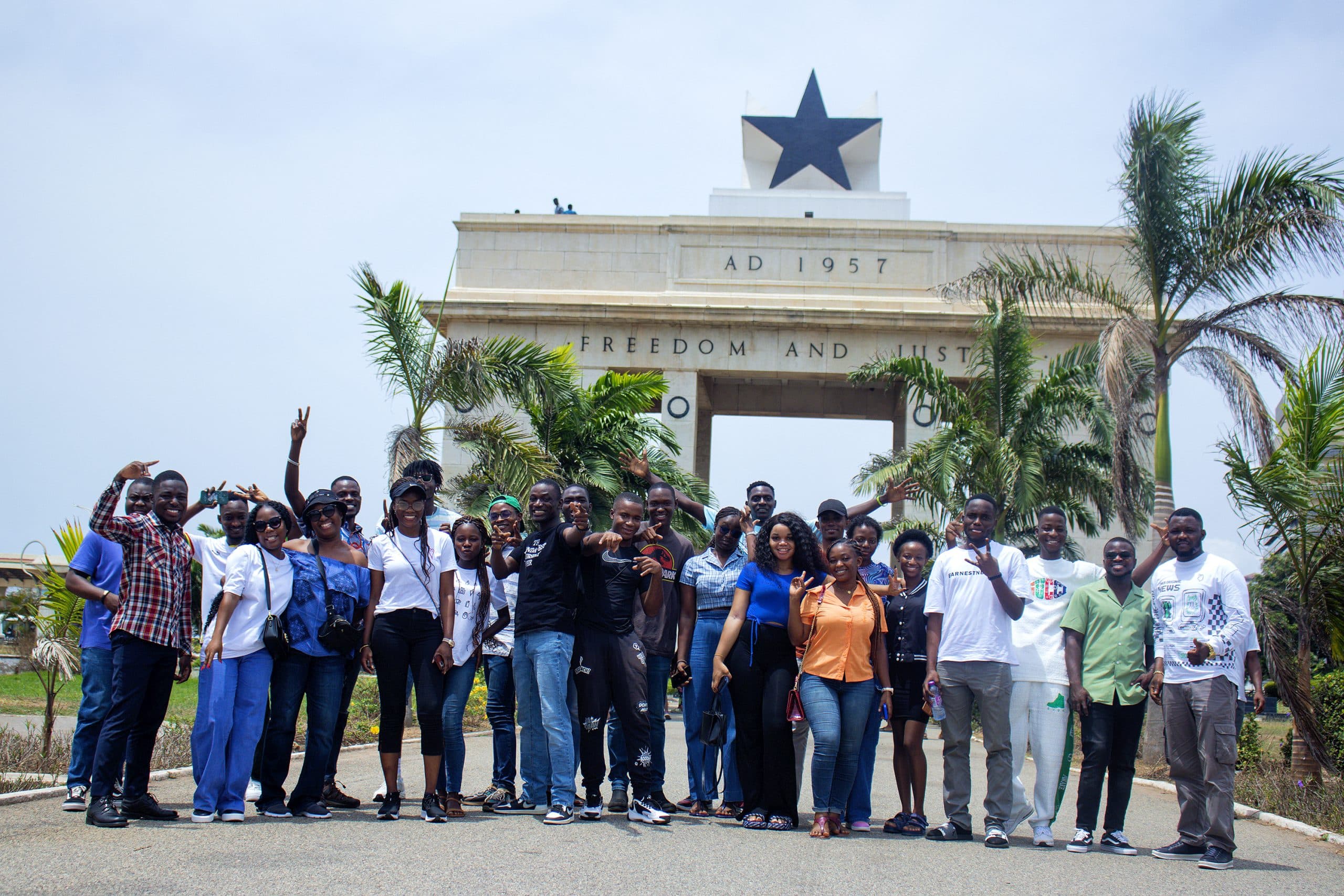
Ghana’s universities stand as beacons of knowledge and progress, tasked with shaping the leaders of tomorrow. As we are in 2026, debates about which institution holds the title of "best university" will rage on, often measured by research output, facilities, and academic prestige. However, a more profound examination reveals that the true challenge of Ghanaian higher education extends far beyond rankings. It lies at the complex intersection of national human rights realities and the universal student struggles of accessibility, wellness, and inclusion.
The Underlying Human Rights Landscape
A reading of any contemporary human rights report on Ghana, such as the U.S. Department of State’s 2022 Country Reports on Human Rights Practices, underscores critical societal issues that inevitably permeate university walls. The documentation of challenges faced by the LGBTQ+ community and persons with disabilities points to a climate where certain identities are marginalized and criminalized.
For students arriving on campus, this means that the university is not a vacuum. A queer student or a student with a physical disability doesn't merely grapple with academics; they must navigate a broader societal context that can amplify their vulnerability. The "living environment" challenge isn't just about dormitory quality; it can be about fundamental safety, acceptance, and the right to exist without fear. When national discourse and laws criminalize one's identity, the psychological burden carried into the lecture hall is immense, directly impacting mental health and academic performance.
The Universal Student Struggle: A Compounded Weight
Against this backdrop, the common challenges faced by all students become significantly heavier for those from marginalized groups.
Financial uncertainty and accessibility: For students with disabilities, financial strain is compounded by the high cost of assistive technologies, accessible transportation, and suitable accommodation. Financial aid schemes often do not account for these extra necessities, creating an inequitable starting line.
Difficulty managing commitments and time management: Students facing discrimination or mental health struggles related to their identity may spend an inordinate amount of emotional energy on self-protection, finding safe communities, or battling depression and anxiety. This "invisible labour" severely depletes the time and focus available for academic commitments.
Inadequate academic preparedness and mental health: A student who has faced bullying or exclusion in prior educational settings due to their disability, gender expression, or sexual orientation may arrive at university with gaps in preparedness, not due to a lack of intellect, but due to a hostile learning environment. Their mental health and wellness are tied not just to academic pressure, but to a constant state of hypervigilance.
Redefining the "Best" University in 2026
Therefore, the question for 2026 should not merely be, "Which university in Ghana has the best library or the highest ranking?" The more urgent question is: "Which university is creating the safest, most inclusive, and most supportive environment for all students to thrive, despite societal pressures?"
The "best" university of 2026 will be the one that consciously addresses these dual realities. It will be the institution that:
- Actively promotes inclusion through clear policies and training that protect all students from discrimination and violence.
- Invests in robust, culturally competent mental health services that understand the specific traumas linked to social stigmatization.
- Ensures true physical and academic accessibility for students with disabilities, going beyond minimal compliance to full integration.
- Provides comprehensive financial and academic support systems that recognize and counteract layered disadvantages.
The greatest challenge in Ghanaian universities is a systemic one: it is the task of becoming microcosms of the society we aspire to be, rather than mere reflections of the society we are. It is about building campuses where the pursuit of knowledge is not hindered by fear, where a student's greatest challenge can be their intellectual curiosity, not their survival. As we evaluate our institutions, let us measure them not just by the grades they produce, but by the humanity they nurture and protect. In doing so, Ghana’s universities can truly lead the nation toward a more equitable and just future for all.
Related Stories & Campus Highlights
View All in Features →
Features
Sep 9, 2026 3 min read
Survivors don't wear capes: they just don't quit
Survival is not merely about staying alive; it is the courage to keep moving forward when life presents its greatest challenges. Every day, people fac...
Features
Sep 8, 2026 3 min read
Where challenges become stepping stones: a semester of promise
The reopening of school marks the beginning of another exciting academic journey filled with fresh opportunities and new challenges. Campuses that wer...
Features
Sep 6, 2026 3 min read
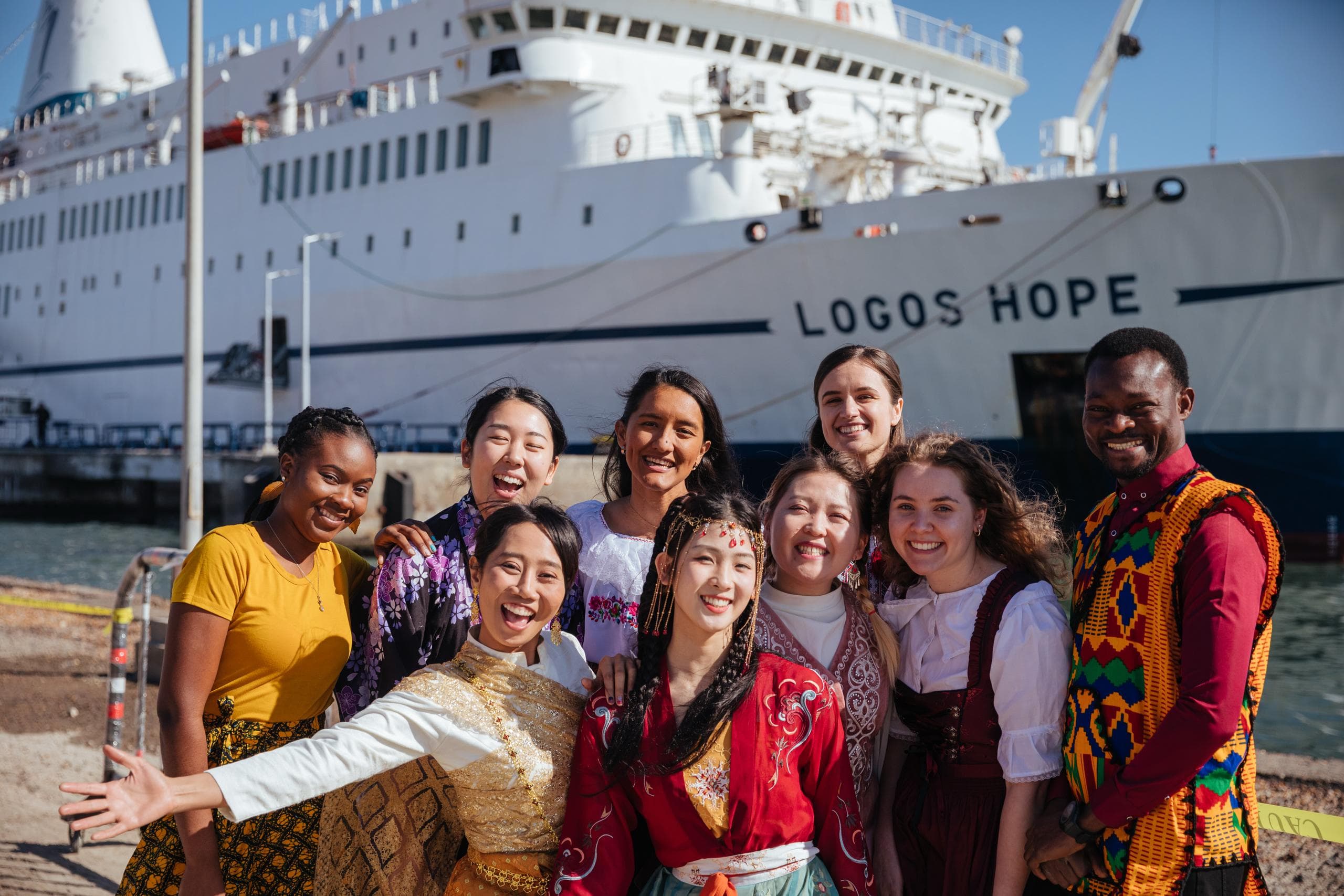
The library that travels
Have you ever heard of Logos Hope? Logos Hope is a ship that travels to different countries, filled with books. If you are someone who loves books, t...
Features
Aug 24, 2026 3 min read
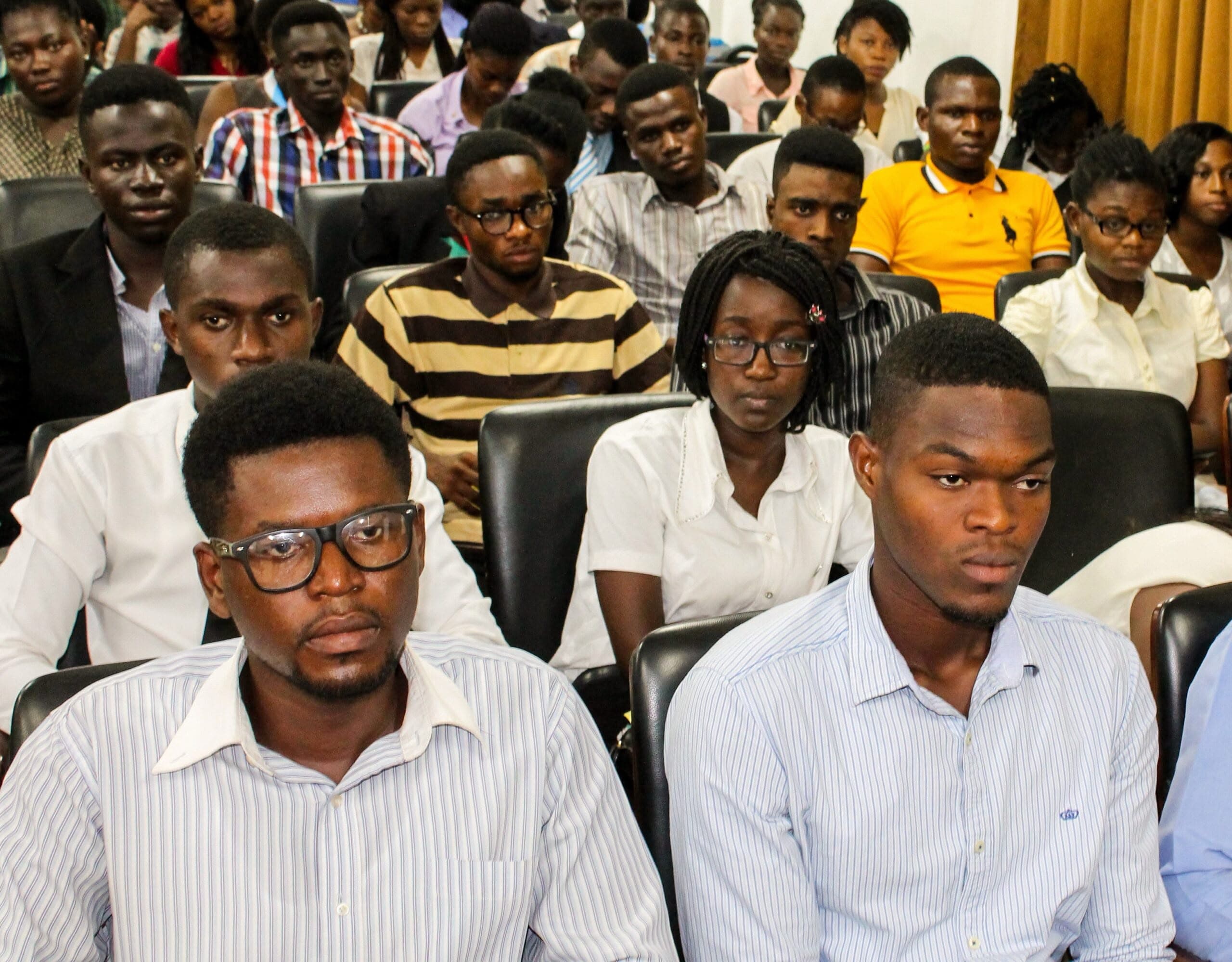
Balancing books and bills: the struggles of working students
By 6:15 a.m., Abena Owusu-Ansah is on a trotro down the Spintex road, textbook on her knee, name tag from the supermarket tucked in her bag. Lectures ...