
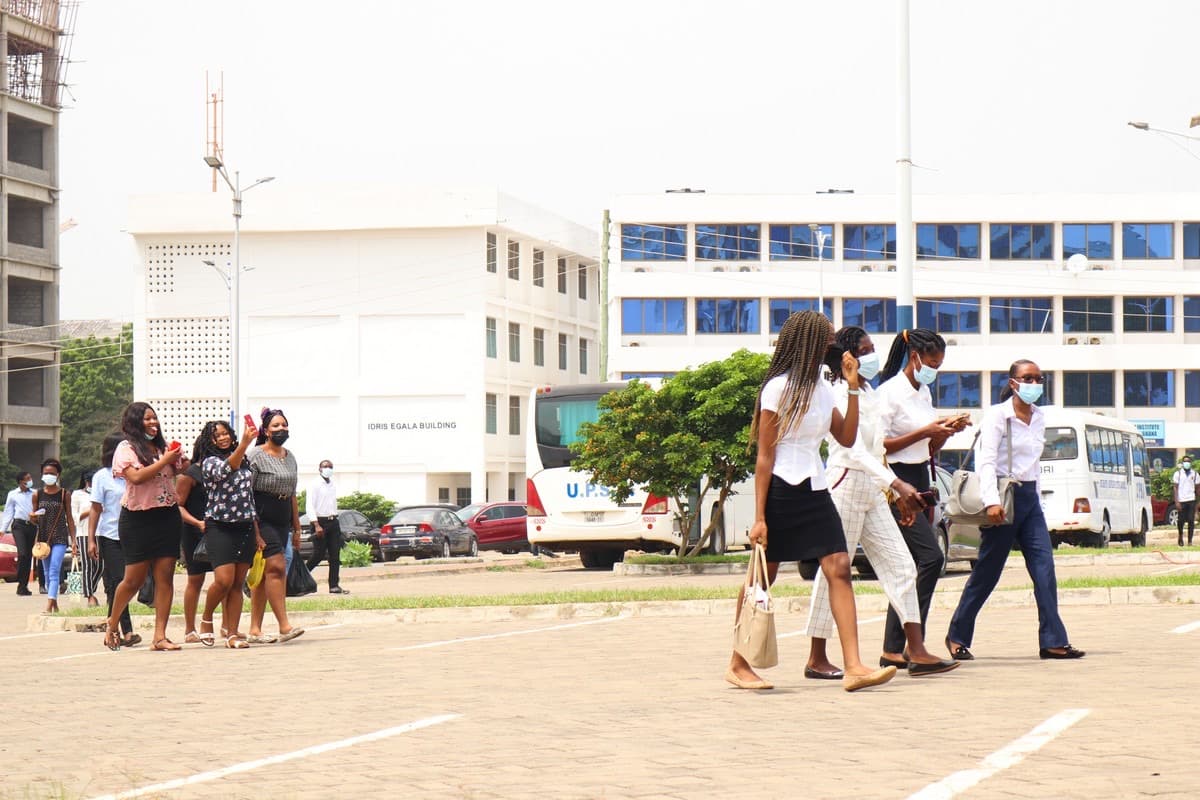
From a distance, campus life looks equal. Students attend the same lectures, write the same exams, and walk the same paths between hostels and lecture halls. But beneath this shared space exist different worlds, quietly divided by money, opportunity, and circumstance. On the same campus, students live entirely different realities.
For some, university life is smooth. Fees are paid on time, accommodation is secure, meals are regular, and learning happens without the constant fear of interruption. For others, every semester begins with uncertainty. They worry about where to stay, how to eat, and whether they will be forced to defer because of unpaid fees. Poverty on campus does not always announce itself; it hides behind borrowed clothes, skipped meals, and smiles that disappear after lectures.
Investigations reveal that student inequality is shaped by more than income alone. Family background matters. Some students arrive supported by parents with stable jobs, while others come from homes affected by unemployment, single parenthood, parental loss, or abandonment. These differences influence everything from access to learning materials and devices to the ability to participate in group work, extracurricular activities, and networking opportunities.
Accommodation disparities expose the divide most clearly. While some students live in comfortable hostels or private apartments close to campus, others commute long distances daily, sacrificing study time and energy. Transportation costs drain limited resources, and exhaustion becomes routine. Learning, for these students, is squeezed between survival and fatigue.
The inequality also shows in the classroom. Students with laptops, stable internet, and quiet study spaces engage more confidently, while others rely on shared devices, noisy environments, or outdated materials. Group assignments can unintentionally deepen these gaps, as students without resources struggle to contribute equally and risk being labelled unserious or uncommitted.
The emotional toll of this divide is heavy. Students often feel embarrassed to admit financial difficulty and are silenced when watching peers live freely. Social events, academic trips, and even casual outings become reminders of exclusion. Over time, this silent inequality affects confidence, mental health, and academic performance.
Yet, within these unequal worlds exists remarkable resilience. Students with fewer resources learn creativity, endurance, and discipline early. They manage time fiercely, stretch opportunities, and develop survival skills that textbooks cannot teach. However, resilience should not excuse inequality. Strength should not be a requirement for accessing basic education.
This reality challenges the campus community to reflect. How equal is an institution where opportunity depends on background? How inclusive is a system that measures success without accounting for starting points? Addressing student inequality requires more than policies; it demands empathy, flexible support systems, accessible welfare services, and leadership that listens.
To the general public and youth observing from outside, campuses reflect society in miniature. When inequality thrives within institutions meant to create opportunity, its consequences extend beyond graduation. The future is shaped not only by talent but also by access.
On the same campus, different worlds continue to exist. But acknowledging this truth is the first step toward change. Until then, students will continue sharing lecture halls while living separate realities, learning together but surviving differently.
ZK
Zara kassim
public
Voice of UPSA editorial team member.
Loading discussion...
Related Stories & Campus Highlights
View All in Features →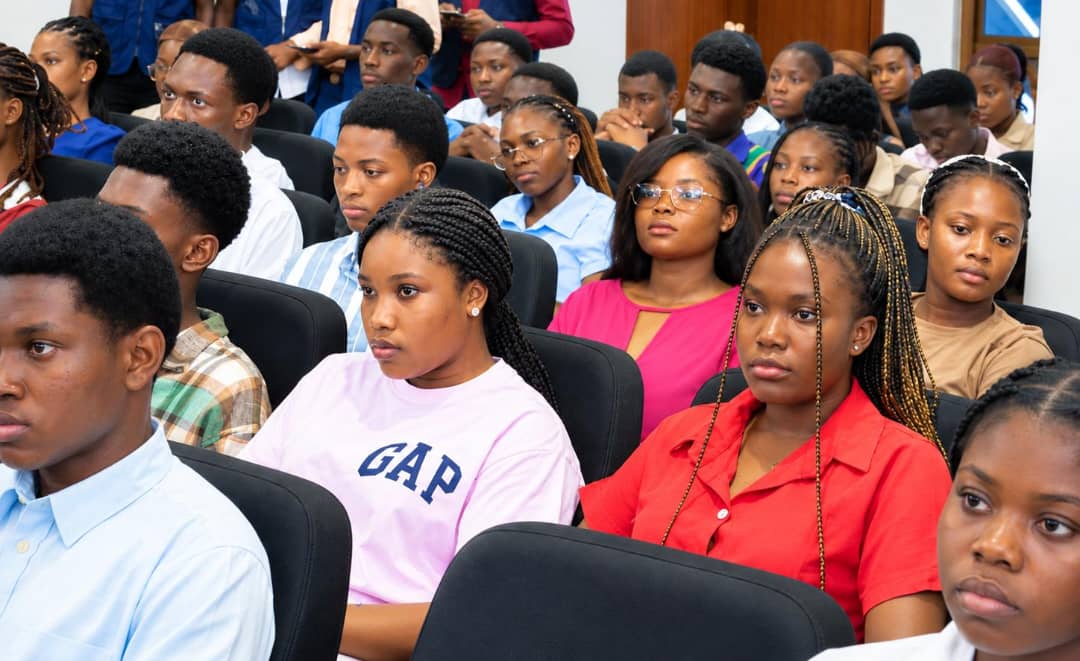
Features
Sep 9, 2026 3 min read
Survivors don't wear capes: they just don't quit
Survival is not merely about staying alive; it is the courage to keep moving forward when life presents its greatest challenges. Every day, people fac...
Features
Sep 8, 2026 3 min read
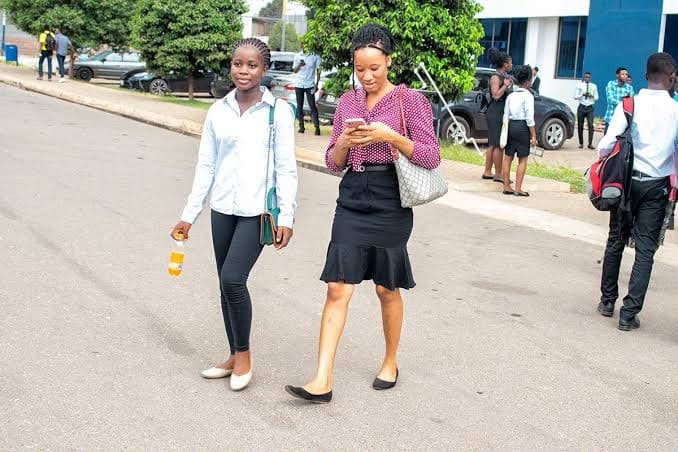
Where challenges become stepping stones: a semester of promise
The reopening of school marks the beginning of another exciting academic journey filled with fresh opportunities and new challenges. Campuses that wer...
Features
Sep 6, 2026 3 min read
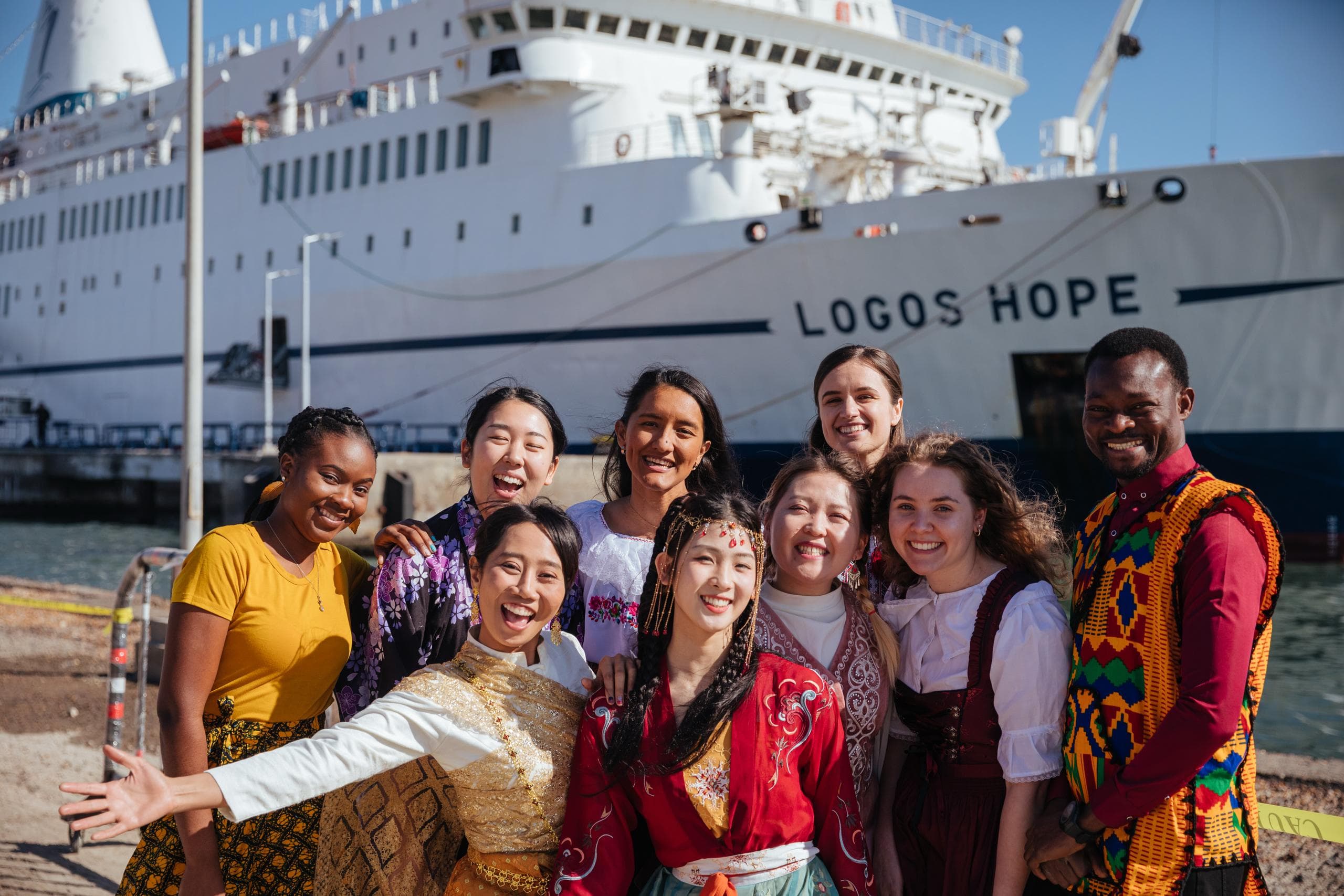
The library that travels
Have you ever heard of Logos Hope? Logos Hope is a ship that travels to different countries, filled with books. If you are someone who loves books, t...
Features
Aug 24, 2026 3 min read
Balancing books and bills: the struggles of working students
By 6:15 a.m., Abena Owusu-Ansah is on a trotro down the Spintex road, textbook on her knee, name tag from the supermarket tucked in her bag. Lectures ...