
Opinions
The cost of student politics is more than just a campaign
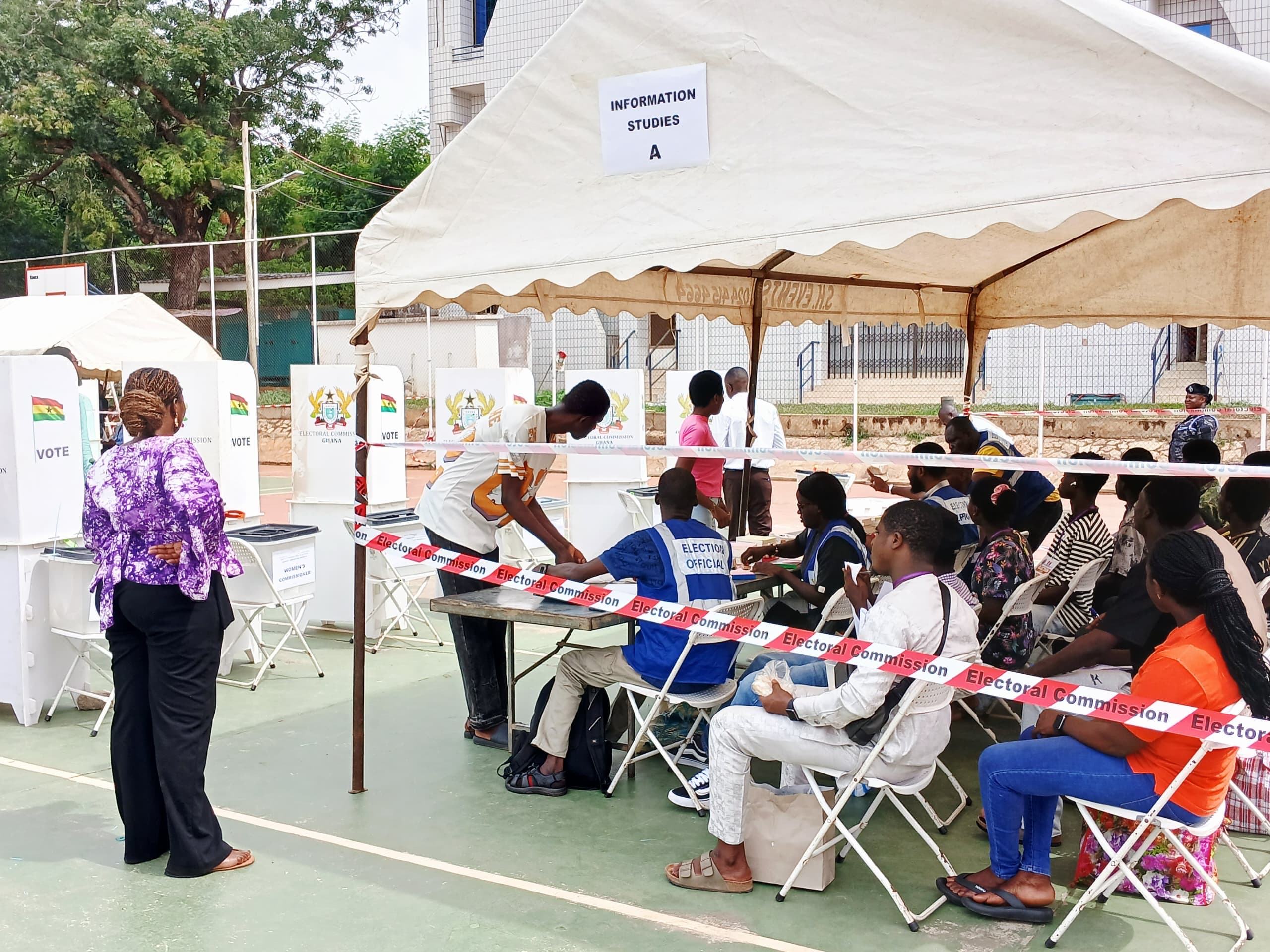
Student politics is often seen solely through the lens of its merits; a platform for leadership, influence, and recognition. However, behind the posters, promises, and public appearances lies a reality many rarely consider: the personal cost of running for office.
For many students, the decision to enter politics isn't planned. They are often encouraged by others who believe they have the potential to perform on a larger stage. Conversely, some students pursue politics independently, driven by the desire for personal benefits or a genuine vision to serve their community.
What follows, however, is often more demanding than expected. The campaign period can be physically and emotionally exhausting. Long days and sleepless nights become routine as candidates strive to maintain visibility and engage with voters. Simultaneously, the political environment can intensify, with misinformation, criticism, and unfair tactics, sometimes shaping the process. In cases like online voting, logistical challenges such as poor internet connectivity and system glitches can further affect voter turnout and overall participation. Candidates often take on the responsibility of addressing these issues to the best of their ability.
Financially, student politics can be draining, especially for ambitious students without significant means who are trying to build their future portfolios. Campaigning often requires personal investment, including costs related to photoshoots, promotional materials, and outreach efforts. For many, the level of financial commitment comes as a surprise, particularly without prior guidance or institutional support.
Beyond the financial burden, the emotional and social impact is significant for both winners and non-winners. For those who win, pressure and public scrutiny can lead to stress, isolation, and a temporary disconnect from peers and normal student life. While some candidates experience strong support, others may struggle with maintaining personal relationships during this period.
For those who do not win, the aftermath can be equally challenging. After investing time, energy, and resources into a campaign, losing an election can feel like a public failure or a deep personal disappointment. Some candidates experience a significant drop in confidence, especially after being highly visible during the campaign. The sudden shift from recognition to relative silence can be difficult to adjust to.
There is also the question of what comes next. While some candidates remain active and continue contributing to student life in other ways, others withdraw from participation altogether. In some cases, the financial and emotional strain discourages future involvement in student leadership.
After elections, perceptions often change for both winners and non-winners. Student leaders are no longer seen as ordinary students but as individuals expected to demonstrate professionalism and provide solutions, while those who contested may still carry the visibility gained during the campaign period.
Despite these challenges, many still consider the experience worthwhile. However, student politics demands comprehensive preparation: mentally, financially, academically, and personally. It is not simply about holding a position but about being ready for the responsibilities and outcomes that come with it.
Ultimately, one of the most important lessons in student politics is the understanding that it is impossible to satisfy everyone. Recognizing this reality is essential for anyone seeking to take on a leadership role within the student space.
Related Stories & Campus Highlights
View All in Opinions →
Opinions
Aug 29, 2026 3 min read
Behind the slogan: how UPSA prepares students for corporate Ghana
The University of Professional Studies, Accra (UPSA) proudly bills itself as the "Face of Professionalism." But is this a genuine reflection of what t...
Opinions
Aug 27, 2026 3 min read
Beyond the suggestion box: is the student voice really being heard?
Students are at the heart of every university, yet one question deserves more attention: How much influence do students really have on decisions that ...
Opinions
Aug 18, 2026 3 min read
Embracing the uncertainty of your 20s
Your 20s are often presented as the time when you should have everything figured out; your career, finances, relationships, purpose, and future. Socia...

Opinions
Aug 12, 2026 3 min read
Raising a child out of wedlock: is it really easy?
Raising a child is a major responsibility, whether the parents are married or not. However, raising a child out of wedlock can come with additional ch...