
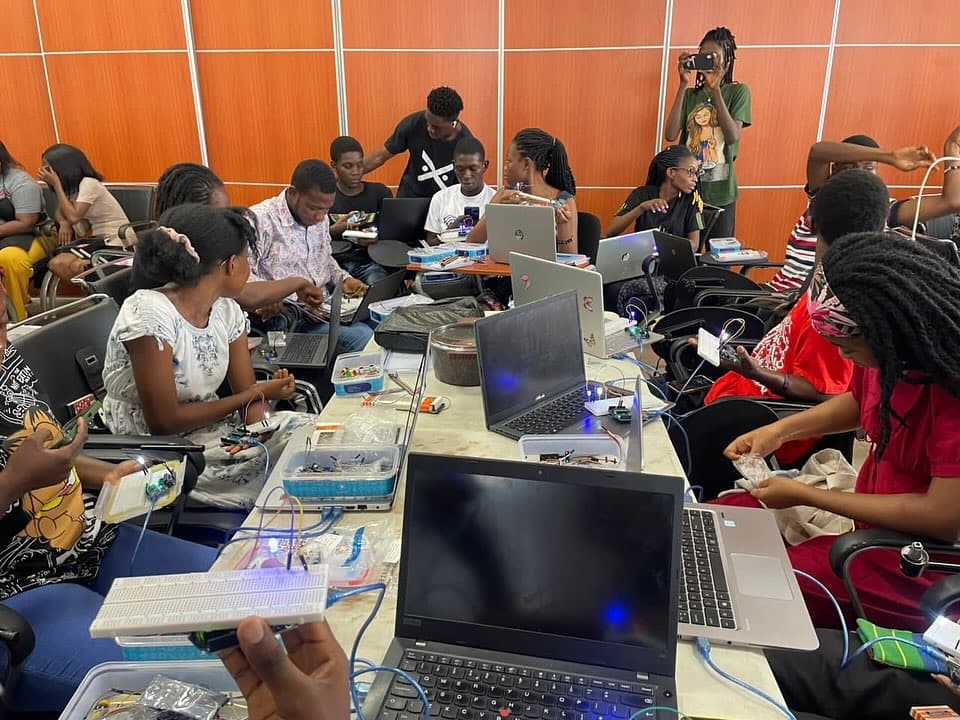
Walk through the UPSA campus on any weekday afternoon, and you’ll notice a familiar scene: students streaming live in the cafeteria, phones in hand, heads bowed like they’re observing a minute of silence. Except they’re not. They are glued to TikTok dances, Twitter debates, Instagram reels, and WhatsApp gossip. Social media has become our new classroom, marketplace, therapist, gossip center, and sometimes our biggest distraction. The question is simple: Has social media helped or harmed Ghanaian youth?
Let’s be honest: social media has opened doors that our parents could only dream of. Today, a student from Madina or North Legon can upload a marketing project on TikTok and wake up to thousands of views. A 20-year-old with no “connections” can start a business on Instagram and earn more than people working traditional 8-to-5 jobs. According to Statista (2024), Ghana now has over 7.8 million active social media users, meaning a huge digital audience is right at our fingertips. For many UPSA students studying communication, marketing, management, or accounting, social media is not just entertainment; it’s a career launchpad.
During my level 100 days at UPSA, my course mate Belinda Wajah built her entire makeup brand on Instagram. With only her phone, a ring light from Circle, and unwavering consistency, she now earns enough to support herself through school. Stories like hers prove that social media isn’t just noise; it’s opportunity. It teaches soft skills: branding, communication, creativity, and networking. It gives young people the confidence to showcase talents they once hid in the shadows.
However, social media also comes with a darker side that many students quietly struggle with. We can pretend it’s harmless, but the truth is, it has become one of the biggest academic distractions of our generation. Many UPSA students have mastered the art of switching their screens from TikTok to lecture slide PDFs the moment the lecturer starts patrolling the rows. Some of us only realize we’ve wasted three hours scrolling when our phones heat up like a yam left too long on the coal pot.
Even worse is the pressure to “belong.” Social media has created a comparison culture where everyone is measuring their worth against someone else’s highlight reel. A classmate posts a vacation in Dubai, and suddenly you feel behind in life. Someone shares a new iPhone 15 Pro, and you start stressing your parents unnecessarily. A friend celebrates a perfect GPA online, making your 2.8 feel like a failure. This silent emotional competition is one of the most damaging effects social media has on Ghanaian youth today.
Relationships have also taken a hit. We talk more online and less in person. Friendships are now maintained with fire emojis on Snapchat. Romantic relationships break down because someone’s partner was “online 2 minutes ago but didn’t reply.” Social media gives us endless connections; yet somehow, we feel more lonely than ever.
Then, there’s the influence on social values. Trends, challenges, and online personas sometimes encourage behaviours that clash with our cultural expectations. Younger teens now know more about American celebrity drama than about Ghanaian history. Some imitate lifestyles they do not understand, while others adopt slang and habits not grounded in reality, creating a generation slightly disconnected from its roots.
So is social media helpful or distracting?
My answer is this: It is both. It is a tool powerful enough to build careers and destructive enough to break focus. The real challenge is not the platform but how we choose to use it.
As Ghanaian youth, especially those of us at UPSA, preparing to enter a competitive job market, we must learn to treat social media like fire: a tool for illumination rather than destruction.
Maybe the question we should ask is not, “Is social media good or bad?” but rather, “Am I using it, or is it using me?”
Because in the end, the future belongs to those who scroll with purpose, not to those who scroll away their purpose.
NC
Noel Mawuedem Coffie
editor
Voice of UPSA editorial team member.
Loading discussion...
Related Stories & Campus Highlights
View All in Opinions →
Opinions
Aug 29, 2026 3 min read
Behind the slogan: how UPSA prepares students for corporate Ghana
The University of Professional Studies, Accra (UPSA) proudly bills itself as the "Face of Professionalism." But is this a genuine reflection of what t...
Opinions
Aug 27, 2026 3 min read
Beyond the suggestion box: is the student voice really being heard?
Students are at the heart of every university, yet one question deserves more attention: How much influence do students really have on decisions that ...
Opinions
Aug 18, 2026 3 min read
Embracing the uncertainty of your 20s
Your 20s are often presented as the time when you should have everything figured out; your career, finances, relationships, purpose, and future. Socia...
Opinions
Aug 12, 2026 3 min read
Raising a child out of wedlock: is it really easy?
Raising a child is a major responsibility, whether the parents are married or not. However, raising a child out of wedlock can come with additional ch...