Opinions
The Ghana we were promised vs. the Ghana we are living in
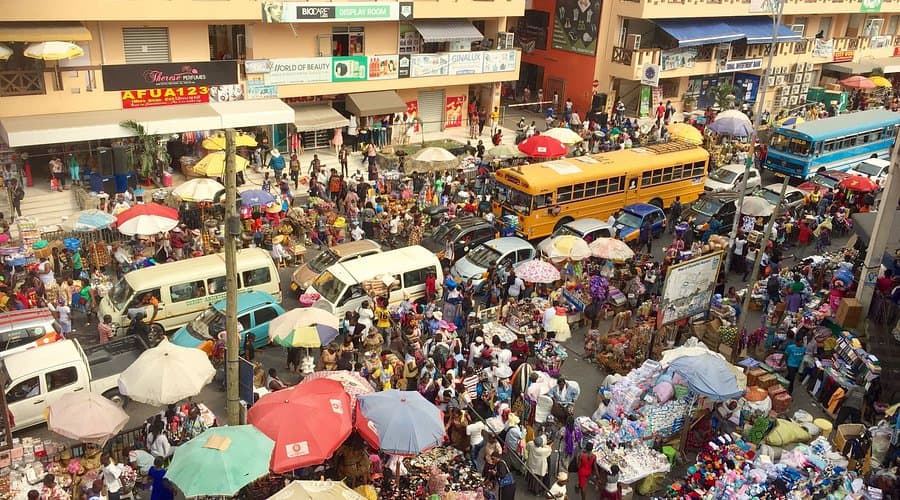
There was a promise. A promise whispered in campaign speeches, carved into school curricula, and carried in the hearts of millions who believed that Ghana’s growth would mean opportunity, stability, and dignity for every citizen. But today, many Ghanaians look around and ask a sobering question: Why does the Ghana we are living in feel so different from the Ghana we were promised?
The causes are complex, deep-rooted, and well-documented by research and recent economic reports. At the center is a macroeconomic crisis that has shaped everyday life. Ghana suffered its most severe economic downturn in decades, prompting a three-year support programme with the International Monetary Fund (IMF) that is expected to conclude in August 2026. This crisis was driven by a combination of rising debt, currency instability, and external shocks, all of which have had lasting impacts on ordinary Ghanaians’ lives.
One of the key drivers behind the gap between promise and reality has been the rising cost of living and inflation. Though inflation has fallen from its 2022 peak of over 50% to much lower levels in recent months, many households still feel its effects. Research indicates that 77% of Ghanaians report serious stress on their livelihoods due to the high cost of living, forcing people to cut back on essentials and rethink how they spend even on basic needs.
Underlying inflation and cost pressures are structural challenges, including a heavy reliance on imports and the depreciation of the cedi, which makes basic goods more expensive. Ghana depends on imported fuel, food, and essential goods, meaning that when the cedi weakens, the prices of these imports rise sharply.
For most Ghanaian workers, especially those in the informal sector, which makes up about 83-89% of the national workforce, the situation has been particularly harsh. A study by Women in Informal Employment: Globalizing and Organising (WIEGO) found that most informal workers earned less in late 2023 than they did at the beginning of that year, with many earning below the living wage. This means that while prices rise, incomes stagnate or fall in real terms, making daily survival a struggle.
High public debt and fiscal pressures also constrain government action. Ghana’s public debt has ballooned to an estimated 70% or more of GDP, making it harder for the state to invest in social services or cushion citizens from shocks. Efforts to stabilize the economy, such as tax increases and fiscal tightening required under IMF agreements, have been necessary but unpopular, and in some cases have made life harder for ordinary Ghanaians without immediately spurring growth.
Perhaps the most persistent problem is unemployment and underemployment, especially among youth. Despite macroeconomic stabilization efforts, jobs are not being created fast enough. Recent risk reports identify a lack of economic opportunity and unemployment as among Ghana’s biggest risks for 2026 because the recovery so far has not translated into meaningful jobs for young people.
These economic realities are not abstract; they are lived experiences. Parents struggle to put food on the table while paying school fees, young graduates search for jobs that don’t exist, lining up for any government recruitment drive as competition intensifies, and workers in the informal sector see their earnings unable to stretch to meet the rising cost of food, transport, and housing.
Emotionally and socially, the toll is heavy. Chronic stress related to living costs has been reported widely, with families making painful choices about what to cut and where to compromise. Yet Ghanaians persevere. Markets hum with activity, micro-enterprises persist, and families continue to share what little they have.
However, resilience should not be confused with satisfaction. A nation cannot thrive on hope alone while structural challenges persist. The Ghana people deserve not just promises but policies and systems that translate economic growth into broad-based opportunity, living incomes, stable jobs, and equitable access to essential services.
As Ghana continues on its recovery path, the real test will not be whether inflation falls or GDP rises, but whether ordinary Ghanaians experience a better life, not just a better statistic.
Related Stories & Campus Highlights
View All in Opinions →
Opinions
Aug 29, 2026 3 min read
Behind the slogan: how UPSA prepares students for corporate Ghana
The University of Professional Studies, Accra (UPSA) proudly bills itself as the "Face of Professionalism." But is this a genuine reflection of what t...
Opinions
Aug 27, 2026 3 min read
Beyond the suggestion box: is the student voice really being heard?
Students are at the heart of every university, yet one question deserves more attention: How much influence do students really have on decisions that ...
Opinions
Aug 18, 2026 3 min read
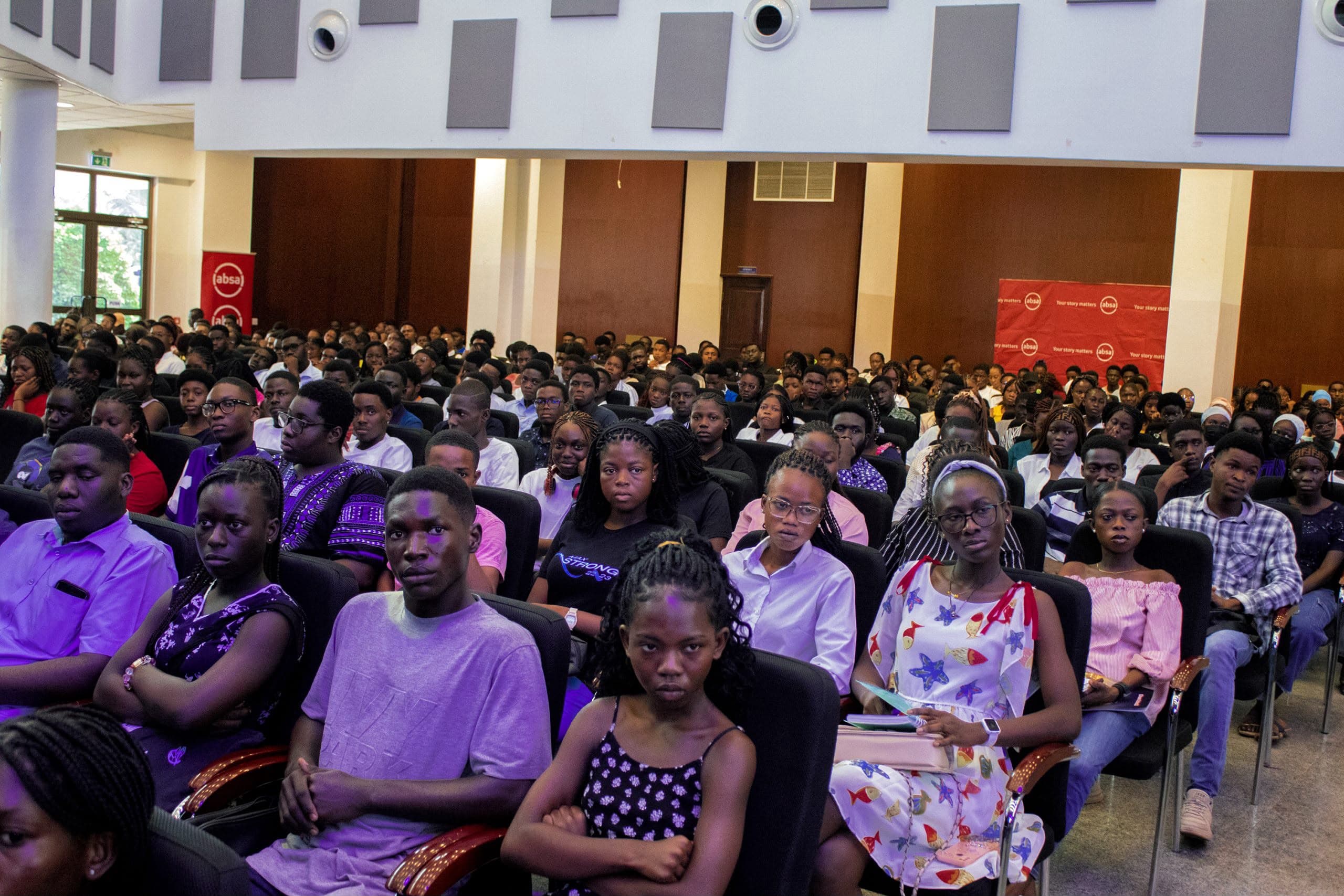
Embracing the uncertainty of your 20s
Your 20s are often presented as the time when you should have everything figured out; your career, finances, relationships, purpose, and future. Socia...
Opinions
Aug 12, 2026 3 min read
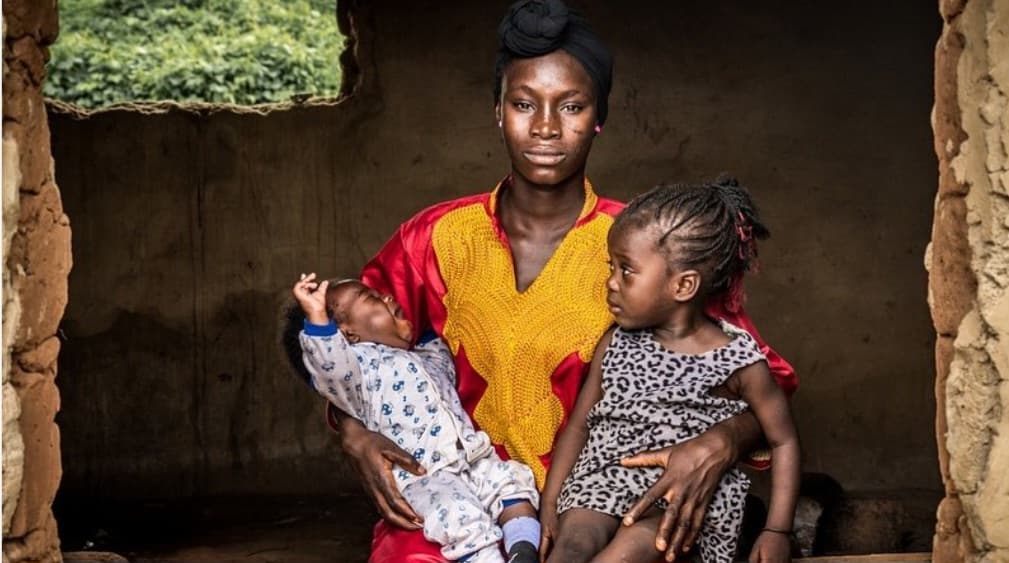
Raising a child out of wedlock: is it really easy?
Raising a child is a major responsibility, whether the parents are married or not. However, raising a child out of wedlock can come with additional ch...