
Opinions
The power of youth in co-creating education
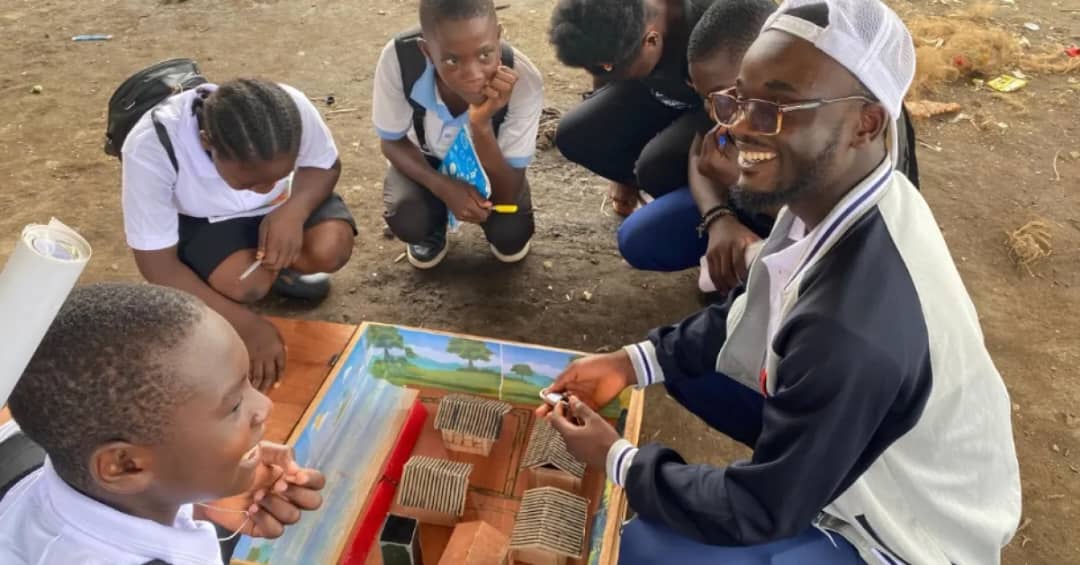
According to UNESCO, the International Day of Education 2026 will recognize youth and their role as agents of change in achieving inclusive and equitable quality education and building peaceful, just, and inclusive societies. The theme, “The Power of Youth in Co-Creating Education,” seeks to involve young people as co-architects and partners of change, emphasizing that education is a basic human right and a global priority. When youth transition from passive learners to active partners, education becomes more comprehensive, innovative, and effective. This perspective is reinforced by the Self-Determination Theory by Edward Deci and Richard Ryan, which posits that human motivation is driven by an innate need for growth and the satisfaction of three basic psychological needs: autonomy, competence, and relatedness.
Personal reflections on leadership
I recall being elected as a compound prefect in Junior High School; I was charged with ensuring the school grounds were neat, clean, and organized. This instilled a sense of competence that influenced my approach to responsibility, even extending to voluntarily organizing classroom spaces in university. My school also had an academic prefect: a high-profile position reserved for the best students, who was responsible for creating course timetables for various levels of junior high. When students have a say in how they learn, they are motivated to do more and give their best.
Youth as advocates for change
The youth bring fresh perspectives on technology and global issues, such as climate change and digital literacy, which traditional systems might overlook. Several reputable young people have become major advocates for education and inclusion:
Vee Kativhu: An activist who founded the charity Empowered by Vee to make higher education more accessible to those from underrepresented and disadvantaged backgrounds.
Malala Yousafzai: A Nobel Peace Prize laureate who fights for every child's right to an education.
Greta Thunberg: A Swedish activist known for pressing governments to address climate change and social issues.
These individuals are not just advocating; they are influencing organisations and governments to create policies for the betterment of youth.
Current challenges in the educational system
Today, the world faces issues ranging from unemployment and poverty to social inequalities. Approximately 244 million children are out of school, and 617 million can not read or perform basic math. In Sub-Saharan Africa, fewer than 40% of girls complete lower secondary school. In Ghana, children in rural areas lack access to quality education and basic social amenities. While curriculum reforms have been introduced, they face challenges such as:
a. Outdated materials.
b. Poorly prepared teachers.
c. Weak integration of technology.
Policies like FREE SHS have increased enrolment, but resources have struggled to keep up, leading to infrastructure gaps and a shortage of trained teachers. In universities, high student-to-teacher ratios mean many students do not receive the attention they need. As an Actuarial Science major, I am often distraught during internships by the gap between the classroom and the workforce. We often learn on paper and are tested on theories, while the professional world leverages technology for those same tasks. This systematic loop makes many students feel as though they are wasting their time.
The importance of co-creation
Co-creation matters because youth live with the outcomes of educational decisions; therefore, it only makes sense that they help shape them. This process serves as a training ground for democracy and leadership. By negotiating with policymakers, youth develop essential soft skills, including:
i. Diplomacy and empathy.
ii. Problem-solving and leadership.
iii. Critical thinking.
The future of education is not something done to students, but with them. Co-creation allows marginalised voices to shape a more inclusive system. It is not about students taking over but rather finding a collaborative balance of power.
PA
Priscilla Emmanuella Adjei
admin
Voice of UPSA editorial team member.
Loading discussion...
Related Stories & Campus Highlights
View All in Opinions →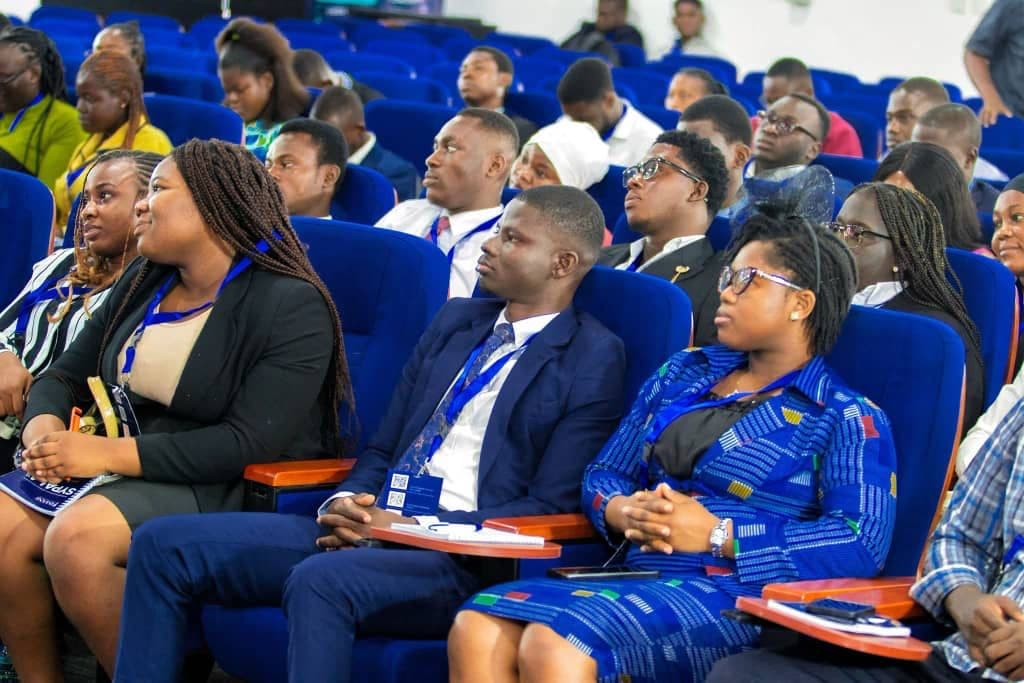
Opinions
Aug 29, 2026 3 min read
Behind the slogan: how UPSA prepares students for corporate Ghana
The University of Professional Studies, Accra (UPSA) proudly bills itself as the "Face of Professionalism." But is this a genuine reflection of what t...
Opinions
Aug 27, 2026 3 min read
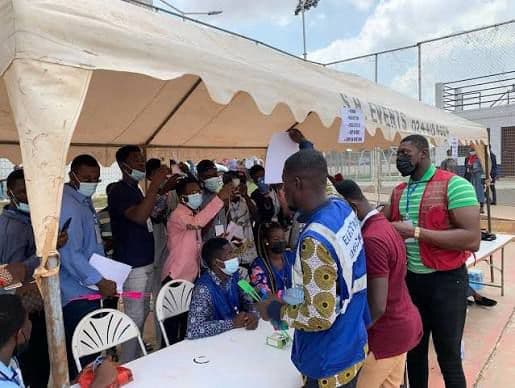
Beyond the suggestion box: is the student voice really being heard?
Students are at the heart of every university, yet one question deserves more attention: How much influence do students really have on decisions that ...
Opinions
Aug 18, 2026 3 min read
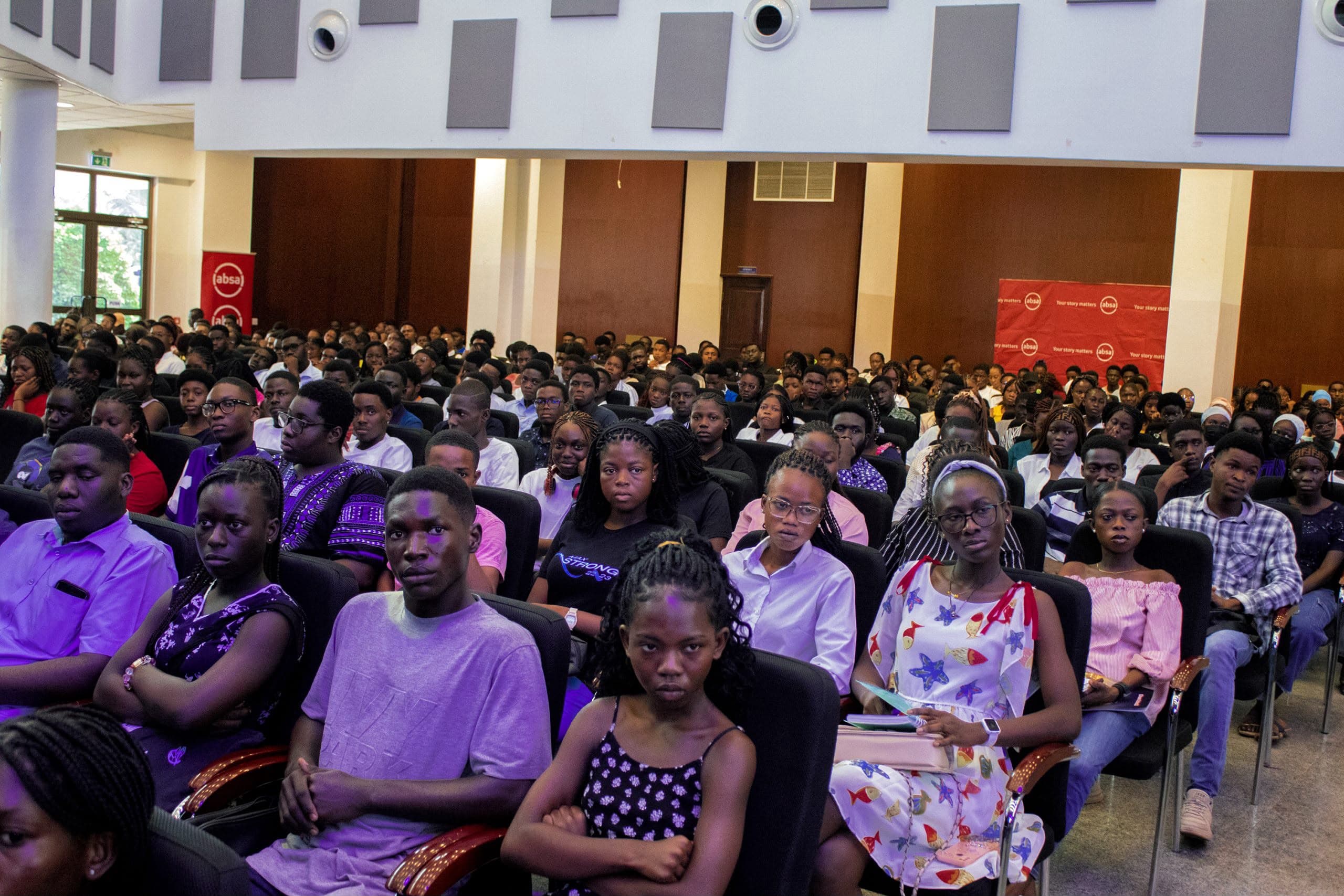
Embracing the uncertainty of your 20s
Your 20s are often presented as the time when you should have everything figured out; your career, finances, relationships, purpose, and future. Socia...
Opinions
Aug 12, 2026 3 min read
Raising a child out of wedlock: is it really easy?
Raising a child is a major responsibility, whether the parents are married or not. However, raising a child out of wedlock can come with additional ch...