
Opinions
When the rains fall: is nature to blame, or are we?
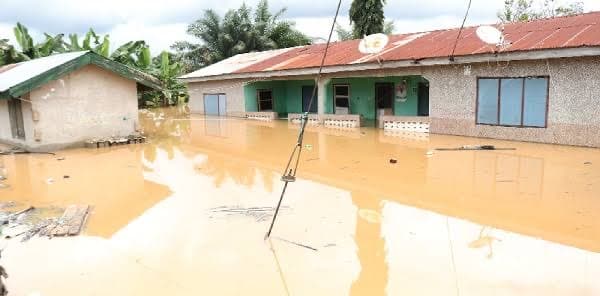
Every year, as the rainy season arrives, communities are left counting their losses. Homes are submerged, businesses are destroyed, roads become impassable, and, in the worst cases, lives are lost. After every major flood, one question always arises: Who is to blame? Is it simply nature expressing its power, or are humans responsible for making the situation worse?
The truth lies somewhere between these two perspectives.
On one hand, nature cannot be ignored. Heavy rainfall, changing weather patterns, and the growing effects of climate change have increased the intensity and frequency of floods across many parts of the world. No matter how prepared a community is, exceptionally heavy rainfall can overwhelm rivers, streams, and drainage systems. In this sense, flooding is a natural disaster, to some extent, beyond human control.
However, blaming nature alone would overlook a much bigger problem; our own actions.
Human behaviour has significantly increased the impact of floods. In many communities, people dispose of plastic waste and other rubbish into gutters and drains, preventing water from flowing freely. Buildings are constructed on waterways and floodplains, leaving water with nowhere to go when heavy rains arrive. Trees are cut down, reducing the land's ability to absorb rainfall, while poor urban planning and inadequate drainage systems make cities even more vulnerable.
When these human actions combine with heavy rainfall, what might have been manageable flooding becomes a devastating disaster.
Governments also share a responsibility. Authorities must invest in efficient drainage systems, enforce building regulations, improve waste management, and educate the public on environmental responsibility. At the same time, citizens must recognize that preventing floods is not solely the government's duty. Every individual who throws waste into a drain or ignores environmental regulations contributes to the problem.
Floods remind us that nature is powerful, but they also reveal the consequences of human negligence. Instead of arguing over whether nature or people are to blame, we should focus on what can be done to reduce future disasters. Cleaner communities, responsible waste disposal, proper urban planning, and stronger environmental policies can greatly reduce the damage caused by floods.
We are often only quick to judge when we begin to face the consequences of our actions. Yet, what we are witnessing today is the result of countless things we have done out of ignorance or neglect. We throw rubbish anywhere and at any time without considering where it ends up or the damage it may cause. The devastation we see today is not the consequence of a single day of carelessness; it is the accumulation of actions that we have consciously and unconsciously allowed to pile up over time.
This is why now is not the time for blame or condemnation. The floods have affected many people, and the water does not distinguish between those who contributed to the problem and those who did not. In moments like these, empathy must triumph over judgment. We should extend helping hands to those in need, support affected families in whatever way we can, and remember that our shared humanity is more important than assigning blame.
Whether we like it or not, what has happened cannot be undone. But what we do from this moment onward will determine whether history repeats itself. Let this tragedy remind us not only of nature's power but also of our collective responsibility. Together, through compassion, environmental responsibility, and unity, we can rebuild stronger communities and create a future where the rains no longer bring such devastating consequences.
Related Stories & Campus Highlights
View All in Opinions →
Opinions
Aug 29, 2026 3 min read
Behind the slogan: how UPSA prepares students for corporate Ghana
The University of Professional Studies, Accra (UPSA) proudly bills itself as the "Face of Professionalism." But is this a genuine reflection of what t...
Opinions
Aug 27, 2026 3 min read
Beyond the suggestion box: is the student voice really being heard?
Students are at the heart of every university, yet one question deserves more attention: How much influence do students really have on decisions that ...
Opinions
Aug 18, 2026 3 min read
Embracing the uncertainty of your 20s
Your 20s are often presented as the time when you should have everything figured out; your career, finances, relationships, purpose, and future. Socia...
Opinions
Aug 12, 2026 3 min read
Raising a child out of wedlock: is it really easy?
Raising a child is a major responsibility, whether the parents are married or not. However, raising a child out of wedlock can come with additional ch...